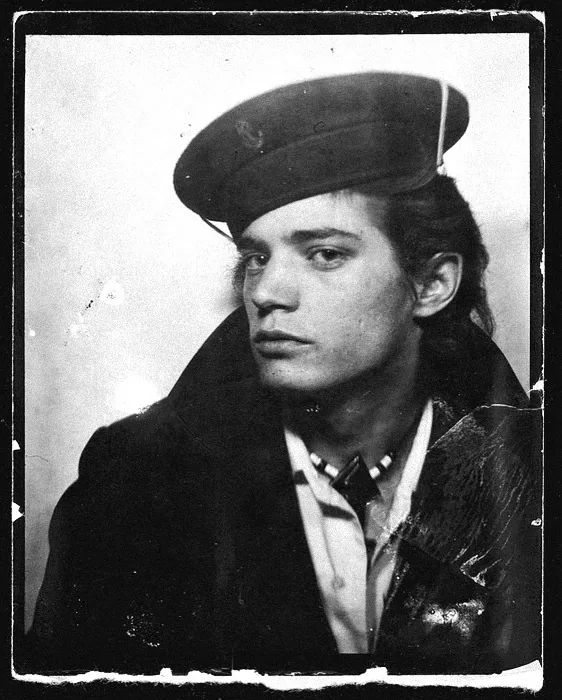
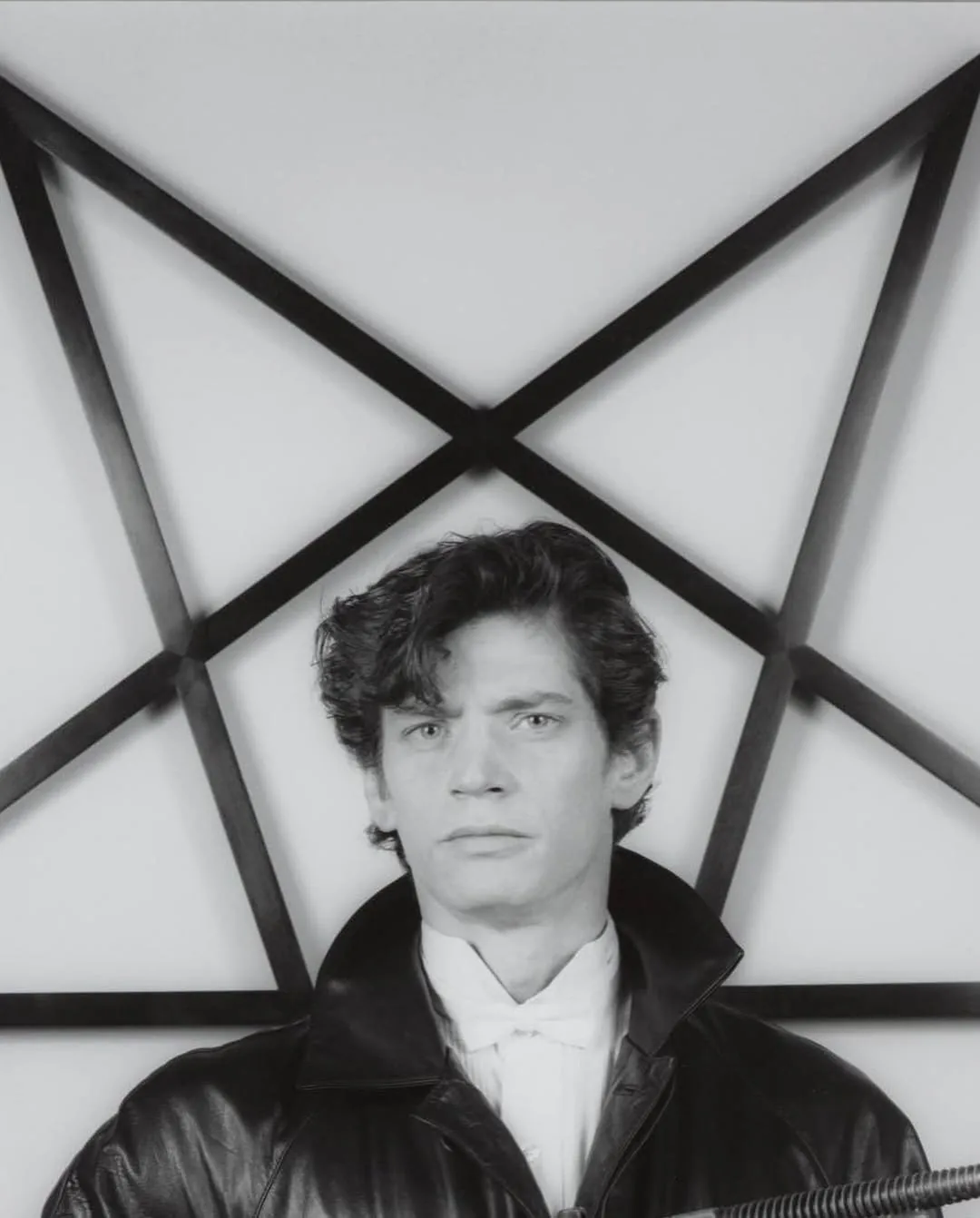
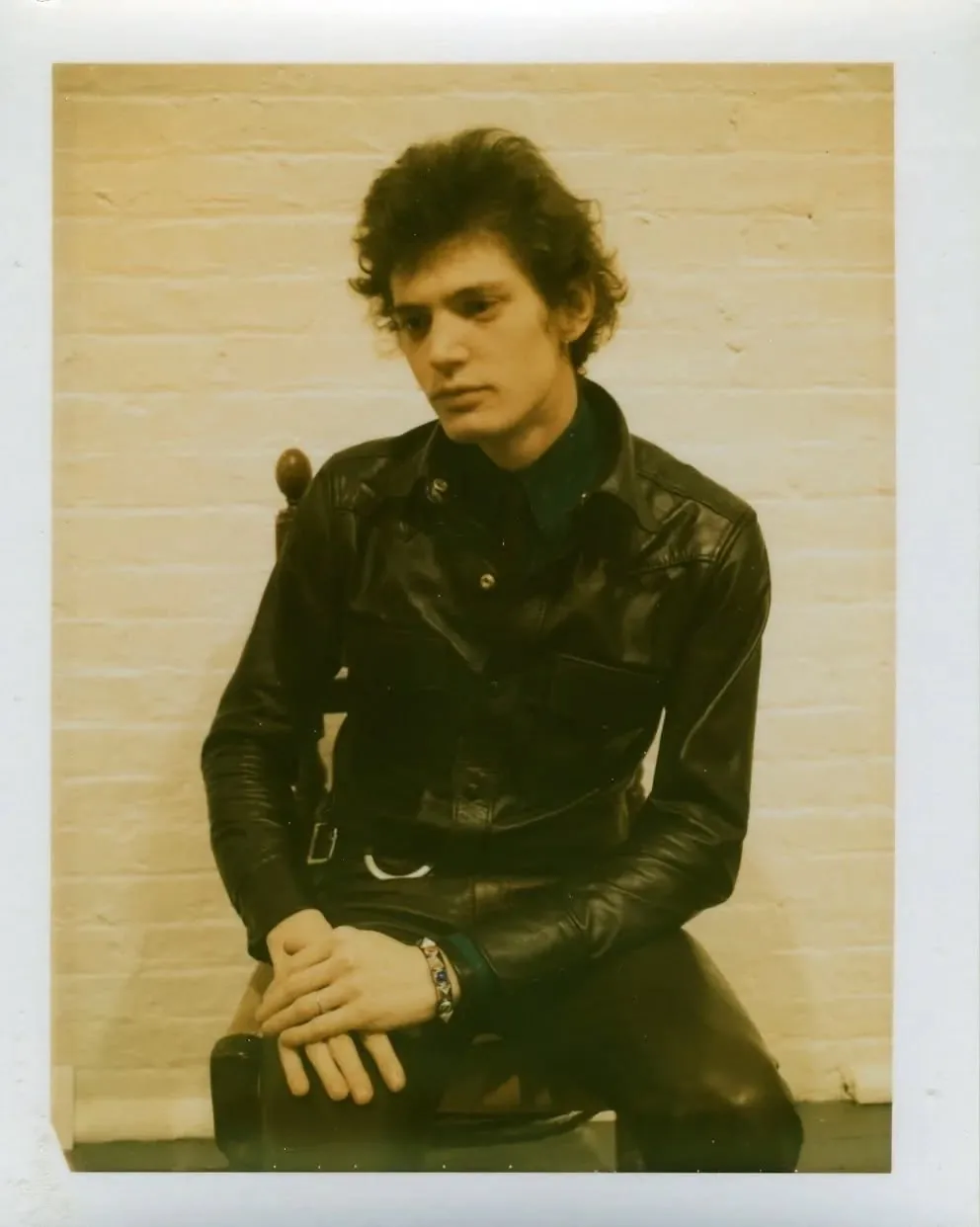
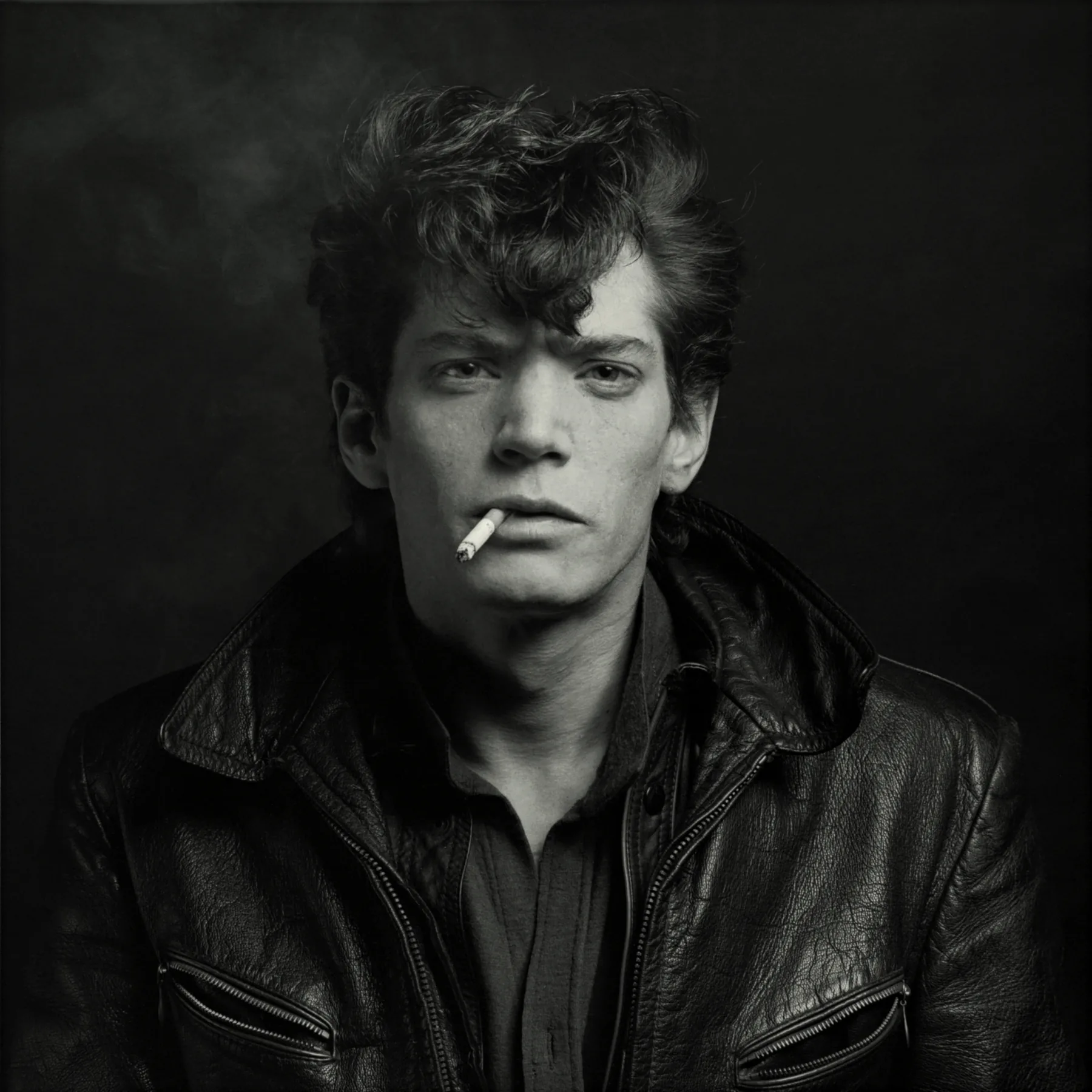
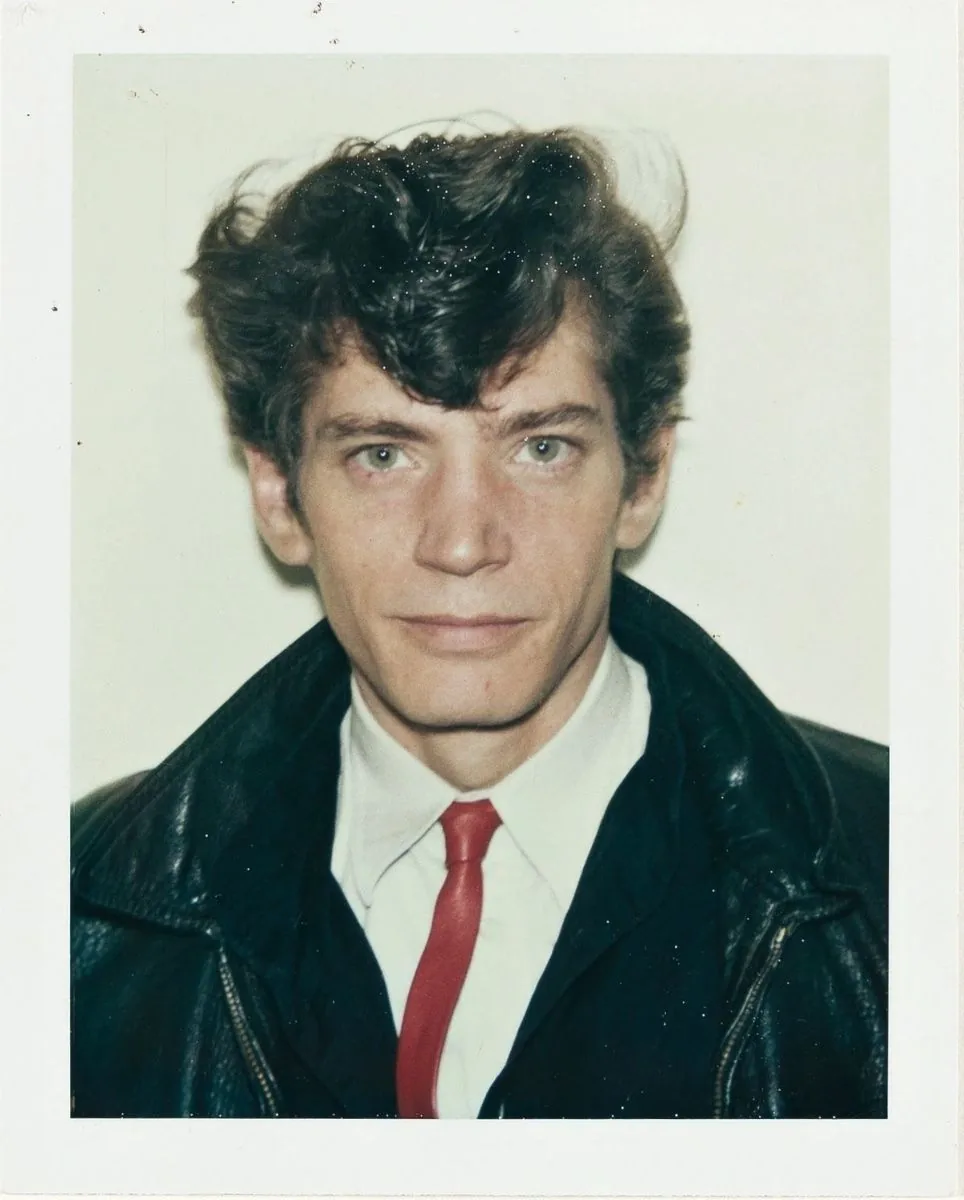
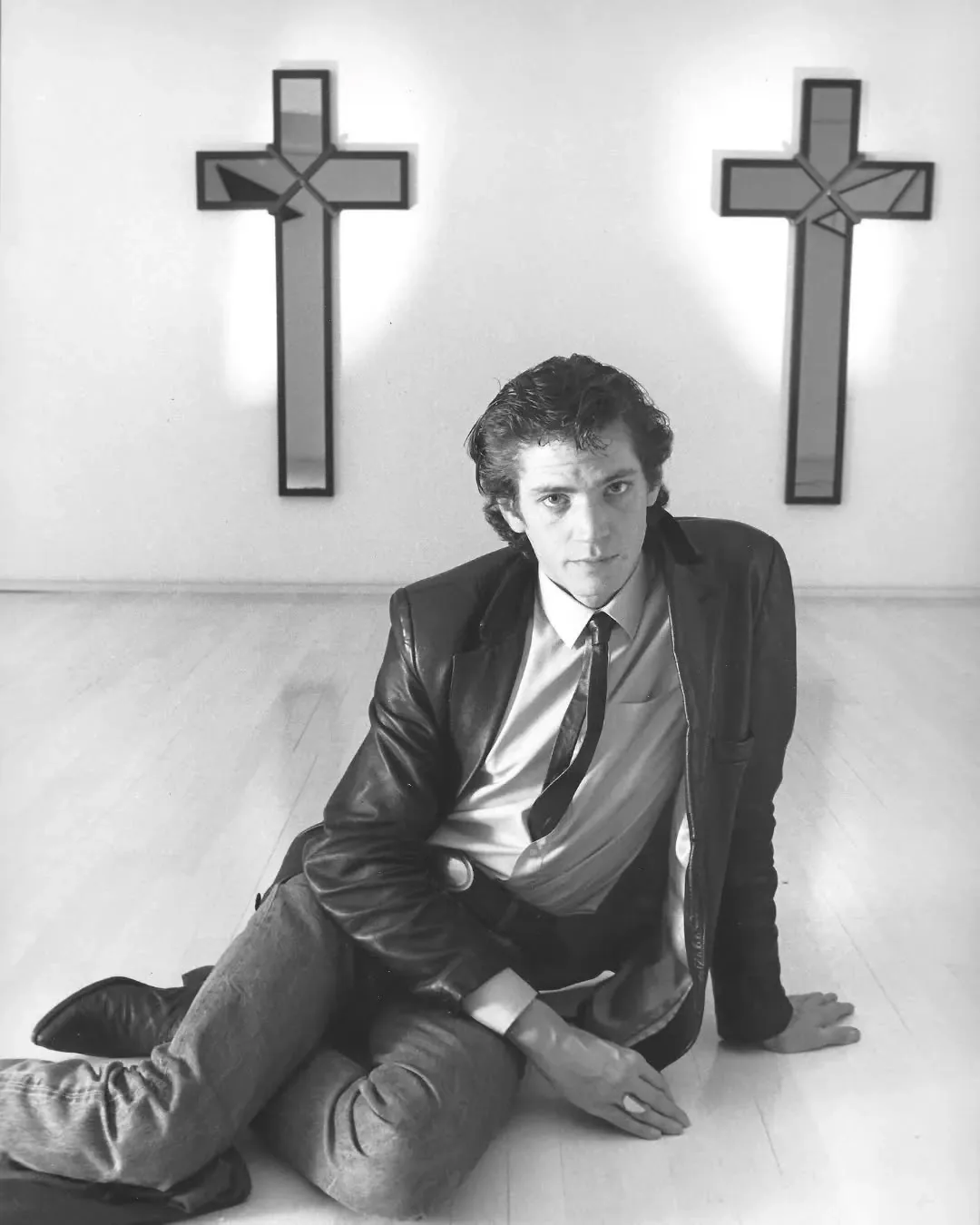
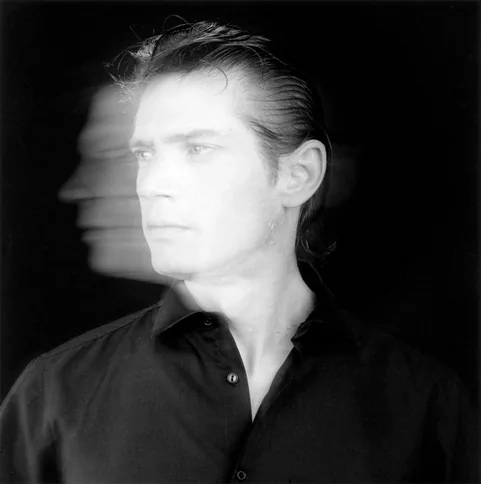
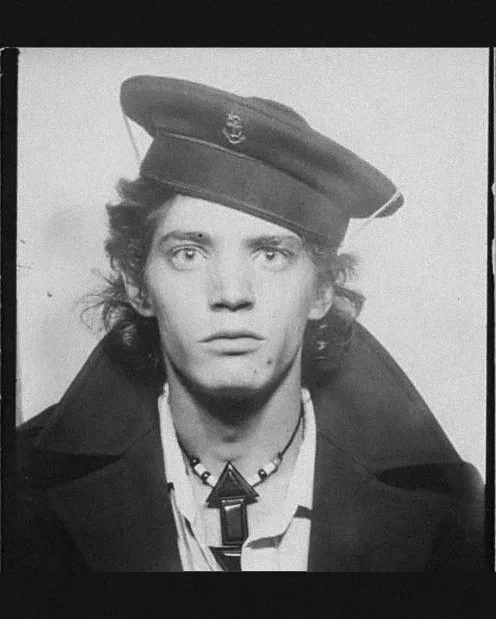
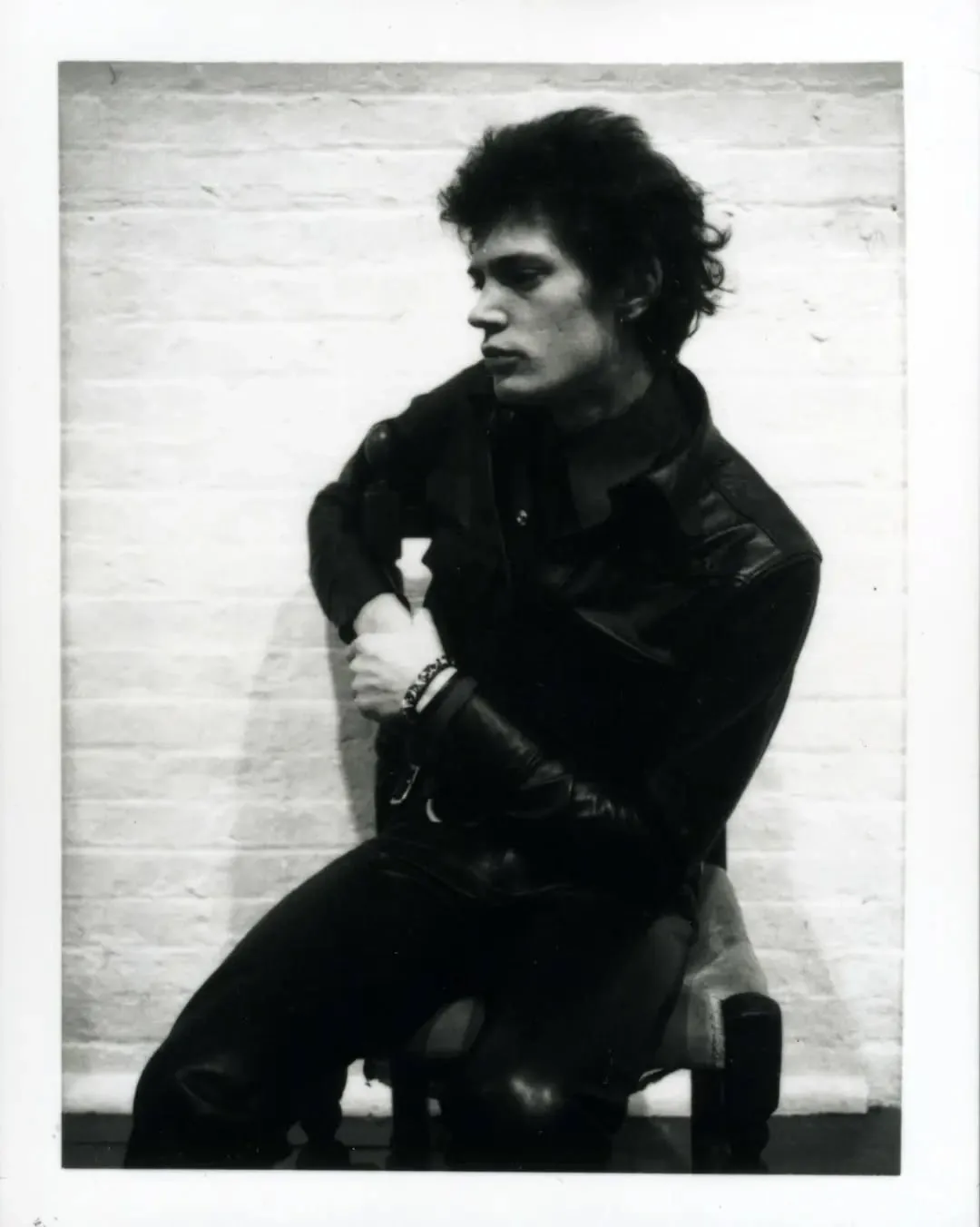
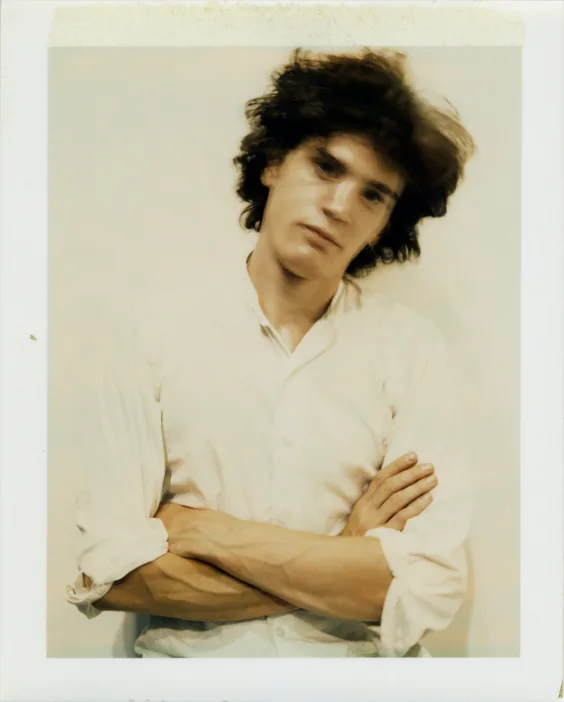
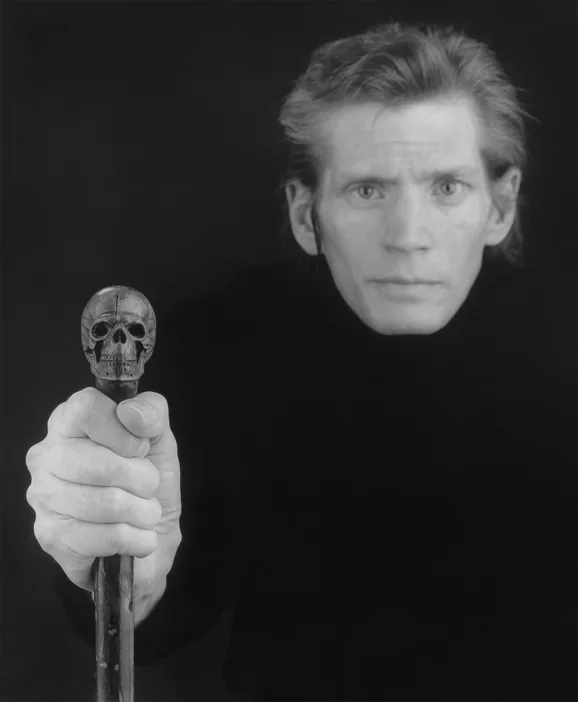
Robert Mapplethorpe was an American photographer known for his black-and-white studio portraits, floral still lifes, male nudes, and explicit documentation of the New York underground leather and S/M subcultures. His work combined classical compositional rigor, dramatic lighting, and precise tonal control with provocative, taboo subject matter.
Born on November 4, 1946, in Floral Park, Queens, New York, Mapplethorpe was raised in a strict Catholic family. In 1963, he enrolled at the Pratt Institute in Brooklyn, initially studying advertising and graphic design before shifting to painting and sculpture. He left Pratt in 1969 without completing his B.F.A. degree. During this period, he met poet and musician Patti Smith. The two lived together in Brooklyn and later at the Chelsea Hotel, producing artwork and collaborating on portraiture.
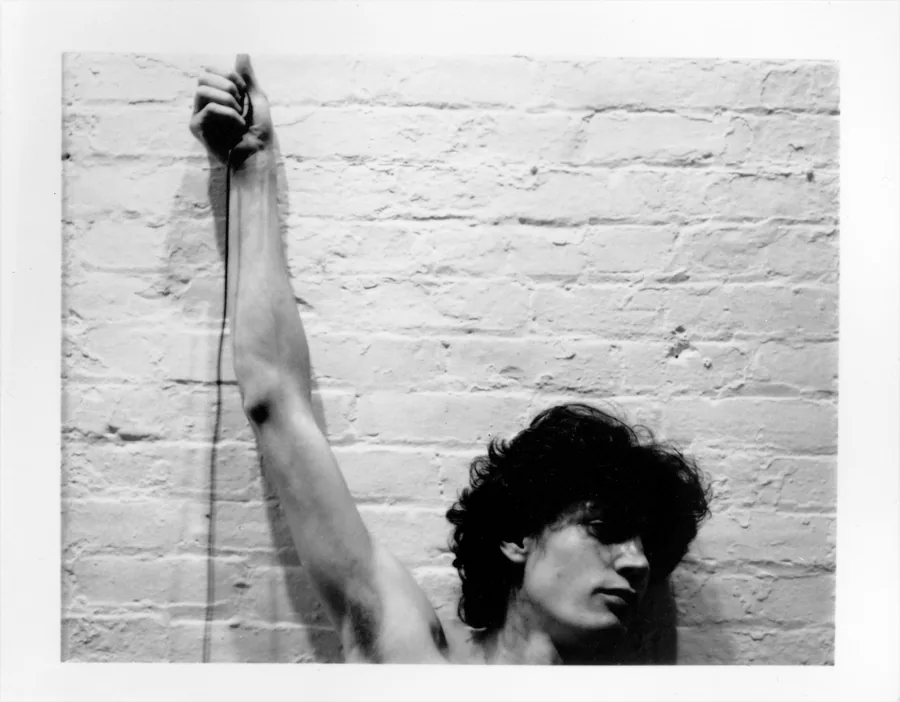
Mapplethorpe did not begin his career directly as a photographer. Between 1970 and 1974, he constructed mixed-media collages and assemblages using cutouts from books, newspapers, and pornographic magazines combined with found objects. To produce his own images for these works, he began using a Polaroid camera in 1970, lent to him by the artist Sandy Daley. By 1973, his instant photography developed into an independent body of work, resulting in his first solo exhibition, “Polaroids”, at the Light Gallery in New York.
Key patrons and curators accelerated his transition into medium-format photography. In 1971, he met John McKendry, Curator of Prints and Photography at the Metropolitan Museum of Art, who gave him a Polaroid camera as a Christmas present in 1971 and introduced him to European collectors. In 1972, Mapplethorpe met curator and collector Sam Wagstaff, who became his lover, financial patron, and artistic advisor. In 1976 Wagstaff gave him a Hasselblad medium-format camera, establishing the technical foundation for Mapplethorpe's sharp, studio-driven black-and-white printmaking.
Throughout the late 1970s and 1980s, Mapplethorpe executed commercial and artistic projects simultaneously. He shot staff portraits for Andy Warhol’s “Interview” magazine, designed album covers for Patti Smith (“Horses”, 1975) and Television (“Marquee Moon”, 1977), and photographed high-society figures such as John Paul Getty III and Carolina Herrera. In 1977, he mounted two concurrent New York exhibitions: flowers at the Holly Solomon Gallery and male nudes with sadomasochistic themes at The Kitchen.
Between 1978 and 1981, Mapplethorpe published his work in three distinct bound portfolios: the X Portfolio (homoerotic S/M imagery), the Y Portfolio (floral still lifes), and the Z Portfolio (nude portraits of Black men). In 1982, he collaborated with Lisa Lyon, the first World Women's Pro Bodybuilding Champion, producing a series of portraits and a book, “Lady, Lisa Lyon” (1983), treating the female physique as classical sculpture. During the mid-to-late 1980s, he experimented with alternative printing processes, including platinum prints on linen, Cibachrome, and multi-panel silk-screened fabric constructions.
Diagnosed with AIDS in 1986, Mapplethorpe accelerated his studio output. In 1988, major solo exhibitions and retrospectives were organized by the Whitney Museum of American Art in New York, the Stedelijk Museum in Amsterdam, the National Portrait Gallery in London, and the Institute of Contemporary Art (ICA) in Philadelphia. That same year, he established the Robert Mapplethorpe Foundation to manage his archive, promote photography in museums, and fund medical research for HIV/AIDS.
Mapplethorpe died from AIDS complications in Boston on March 9, 1989. Following his death, the ICA retrospective, titled “The Perfect Moment”, became the center of a national debate over public funding for the arts in the United States when the Corcoran Gallery of Art in Washington, D.C., canceled the exhibition in June 1989 due to its explicit homoerotic content.
Timeline
Click a date for details
Before photography 1946–1969
Born on 4 November 1946 in Floral Park, Queens, New York. From 1963 at the Pratt Institute in Brooklyn: advertising and graphic design, then painting and sculpture; he leaves in 1969 without a degree. He meets Patti Smith; they live together in Brooklyn and then at the Chelsea Hotel.
Collages and Polaroids 1970–1974
Collages and assemblages from cut-out books, newspapers and magazines combined with found objects; the Polaroid becomes a way to make his own images.
1970
The artist Sandy Daley lends him a Polaroid camera.
1971
Meets John McKendry, curator of prints and photographs at the Metropolitan Museum of Art, who gives him a Polaroid camera for Christmas.
1972
Meets Sam Wagstaff, curator and collector: partner, patron and adviser.
1973
First solo exhibition, “Polaroids”, Light Gallery, New York.
The studio 1975–1981
With the Hasselblad Wagstaff gives him in 1976, the medium-format studio photograph in black and white. Portraits for Andy Warhol’s “Interview” and of figures such as John Paul Getty III and Carolina Herrera.
1975
Cover of Patti Smith’s “Horses”.
1977
Flowers at the Holly Solomon Gallery and male nudes at The Kitchen, at the same time; cover of Television’s “Marquee Moon”.
1978–1981
The X, Y and Z Portfolios.
Lisa Lyon, new prints 1982–1988
1982
Portraits of the bodybuilder Lisa Lyon; the book “Lady, Lisa Lyon” follows in 1983.
Mid-1980s
Platinum prints on linen, Cibachrome, silk-screened fabric panels.
1986
Diagnosed with AIDS.
1988
Exhibitions at the Whitney Museum, the Stedelijk Museum, the National Portrait Gallery, London, and the ICA, Philadelphia; the Robert Mapplethorpe Foundation is established.
The Perfect Moment 1989
He dies in Boston on 9 March 1989. In June the Corcoran Gallery of Art in Washington cancels the ICA retrospective “The Perfect Moment”, opening a national debate on public funding for the arts.
Robert Mapplethorpe è stato un fotografo statunitense noto per i suoi ritratti in studio in bianco e nero, le nature morte floreali, i nudi maschili e la documentazione esplicita della sottocultura leather e S/M di New York. La sua opera ha unito un rigore compositivo classico, un'illuminazione drammatica e un controllo preciso dei toni a soggetti provocatori e tabù.
Nato il 4 novembre 1946 a Floral Park, Queens, New York, Mapplethorpe è cresciuto in una rigida famiglia cattolica. Nel 1963 si è iscritto al Pratt Institute di Brooklyn, studiando inizialmente grafica e pubblicità prima di passare alla pittura e alla scultura. Ha abbandonato il Pratt nel 1969 senza conseguire il titolo. In questo periodo ha incontrato la poetessa e musicista Patti Smith. I due hanno vissuto insieme a Brooklyn e successivamente al Chelsea Hotel, collaborando a progetti artistici e ritratti.
Mapplethorpe non ha iniziato la sua carriera direttamente come fotografo. Tra il 1970 e il 1974 ha realizzato collage e assemblage polimaterici utilizzando ritagli di libri, quotidiani e riviste pornografiche combinati con oggetti trovati. Per produrre immagini proprie per questi lavori, nel 1970 ha iniziato a usare una Polaroid prestatagli dall’artista Sandy Daley. Entro il 1973, la sua fotografia istantanea si è sviluppata come corpo di lavoro autonomo, portando alla sua prima mostra personale, “Polaroids”, presso la Light Gallery di New York.
Sostenitori e curatori hanno accelerato il suo passaggio alla fotografia di medio formato. Nel 1971 ha incontrato John McKendry, curatore di stampe e fotografia al Metropolitan Museum of Art, che a Natale del 1971 gli ha regalato una Polaroid e lo ha introdotto ai collezionisti europei. Nel 1972 ha conosciuto il curatore e collezionista Sam Wagstaff, divenuto suo compagno, mecenate e consigliere artistico. Nel 1976 Wagstaff gli ha regalato una fotocamera Hasselblad di medio formato, ponendo le basi tecniche per la stampa in bianco e nero nitida e da studio di Mapplethorpe.
Tra la fine degli anni '70 e gli anni '80, Mapplethorpe ha portato avanti contemporaneamente progetti commerciali e artistici. Ha realizzato ritratti per la rivista “Interview” di Andy Warhol, progettato le copertine degli album di Patti Smith (“Horses”, 1975) e dei Television (“Marquee Moon”, 1977), e fotografato personalità dell'alta società come John Paul Getty III e Carolina Herrera. Nel 1977 ha allestito due mostre personali simultanee a New York: fotografie di fiori alla Holly Solomon Gallery e nudi maschili con iconografia sadomasochista presso The Kitchen.
Tra il 1978 e il 1981, Mapplethorpe ha raccolto il suo lavoro in tre portfolio distinti: il Portfolio X (immagini omoerotiche S/M), il Portfolio Y (nature morte floreali) e il Portfolio Z (ritratti di nudo di uomini neri). Nel 1982 ha collaborato con Lisa Lyon, la prima campionessa mondiale di bodybuilding femminile, realizzando una serie di ritratti e il libro “Lady, Lisa Lyon” (1983), trattando il corpo femminile come scultura classica. Tra la metà e la fine degli anni '80 ha sperimentato processi di stampa alternativi, tra cui stampe al platino su lino, Cibachrome e strutture in tessuto serigrafato a più pannelli.
Dopo la diagnosi di AIDS nel 1986, Mapplethorpe ha intensificato la produzione in studio. Nel 1988, importanti mostre personali e retrospettive sono state organizzate dal Whitney Museum of American Art di New York, dallo Stedelijk Museum di Amsterdam, dalla National Portrait Gallery di Londra e dall'Institute of Contemporary Art (ICA) di Philadelphia. Nello stesso anno ha istituito la Robert Mapplethorpe Foundation per gestire il suo archivio, promuovere la fotografia nei musei e finanziare la ricerca medica sull'HIV/AIDS.
Mapplethorpe è morto per complicazioni legate all'AIDS a Boston il 9 marzo 1989. Dopo la sua morte, la retrospettiva dell'ICA intitolata “The Perfect Moment” è diventata il centro di un dibattito nazionale sul finanziamento pubblico delle arti negli Stati Uniti, a causa della cancellazione della mostra nel giugno 1989 da parte della Corcoran Gallery of Art di Washington, D.C., motivata dai contenuti omoerotici espliciti.
Cronologia
Clicca una data per i dettagli
Prima della fotografia 1946–1969
Nasce il 4 novembre 1946 a Floral Park, Queens, New York. Dal 1963 al Pratt Institute di Brooklyn: pubblicità e grafica, poi pittura e scultura; lo lascia nel 1969 senza diplomarsi. Incontra Patti Smith; vivono insieme a Brooklyn e poi al Chelsea Hotel.
Collage e Polaroid 1970–1974
Collage e assemblage con ritagli di libri, giornali e riviste e oggetti trovati; la Polaroid diventa il modo per produrre immagini proprie.
1970
L’artista Sandy Daley gli presta una Polaroid.
1971
Incontra John McKendry, curatore di stampe e fotografia al Metropolitan Museum of Art, che per Natale gli regala una Polaroid.
1972
Incontra Sam Wagstaff, curatore e collezionista: compagno, mecenate e consigliere.
1973
Prima mostra personale, “Polaroids”, Light Gallery, New York.
Lo studio 1975–1981
Con la Hasselblad che Wagstaff gli regala nel 1976, la fotografia in studio, in bianco e nero e medio formato. Ritratti per “Interview” di Andy Warhol e di personaggi come John Paul Getty III e Carolina Herrera.
1975
Copertina di “Horses” di Patti Smith.
1977
Fiori alla Holly Solomon Gallery e nudi maschili a The Kitchen, in contemporanea; copertina di “Marquee Moon” dei Television.
1978–1981
I Portfolio X, Y e Z.
Lisa Lyon, nuove stampe 1982–1988
1982
Ritratti della bodybuilder Lisa Lyon; nel 1983 il libro “Lady, Lisa Lyon”.
Metà anni ’80
Stampe al platino su lino, Cibachrome, pannelli di tessuto serigrafato.
1986
La diagnosi di AIDS.
1988
Mostre al Whitney Museum, allo Stedelijk Museum, alla National Portrait Gallery di Londra e all’ICA di Philadelphia; nasce la Robert Mapplethorpe Foundation.
The Perfect Moment 1989
Muore a Boston il 9 marzo 1989. A giugno la Corcoran Gallery of Art di Washington cancella la retrospettiva dell’ICA “The Perfect Moment”, aprendo un dibattito nazionale sul finanziamento pubblico delle arti.