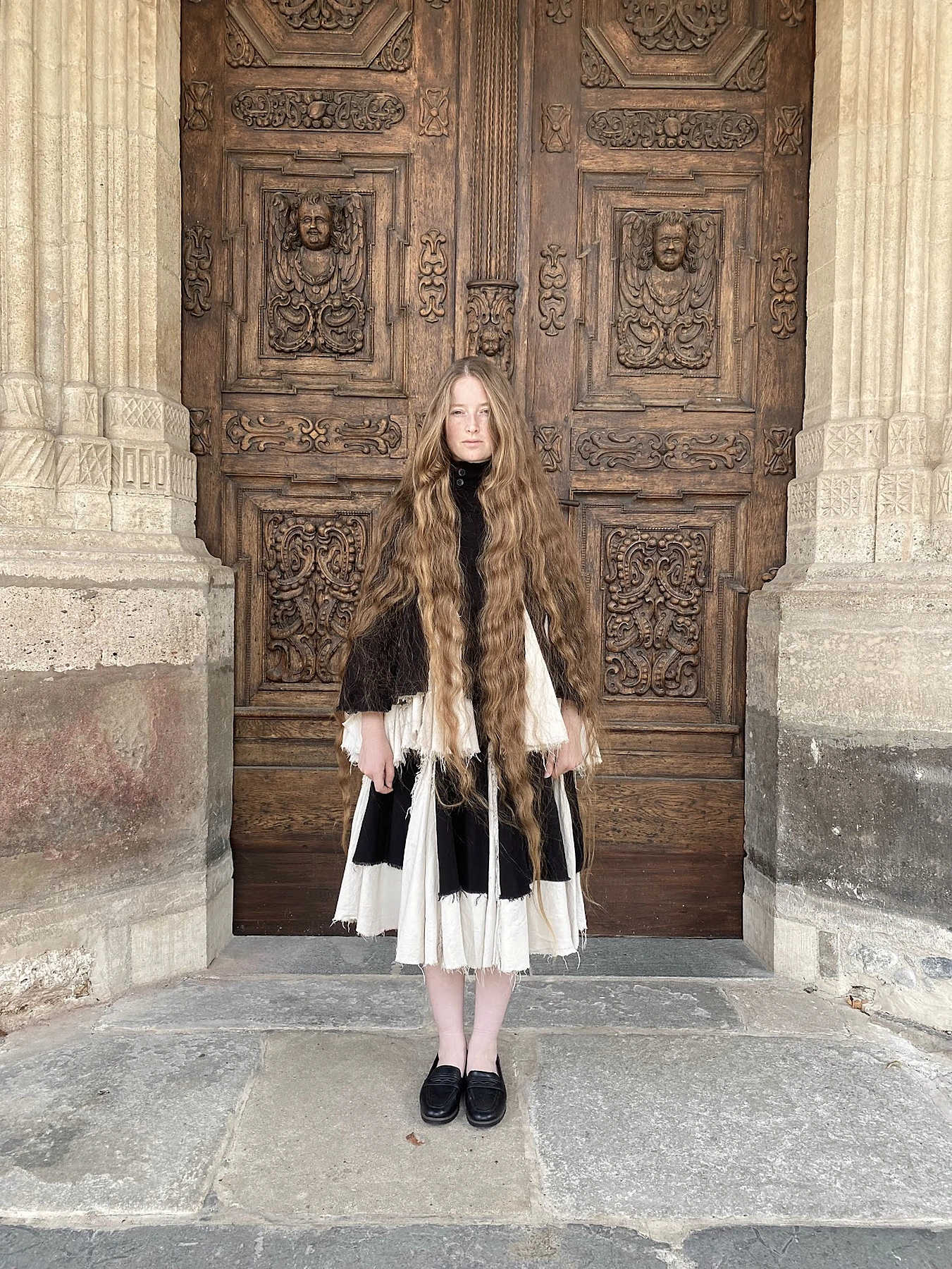
* ‘The Third World of Women’ - Martyna Agnieszka’s Collection
Eight silhouettes, eight women, and a title taken from Susan Sontag: Martyna Agnieszka’s collection treats beauty as something built, not displayed.
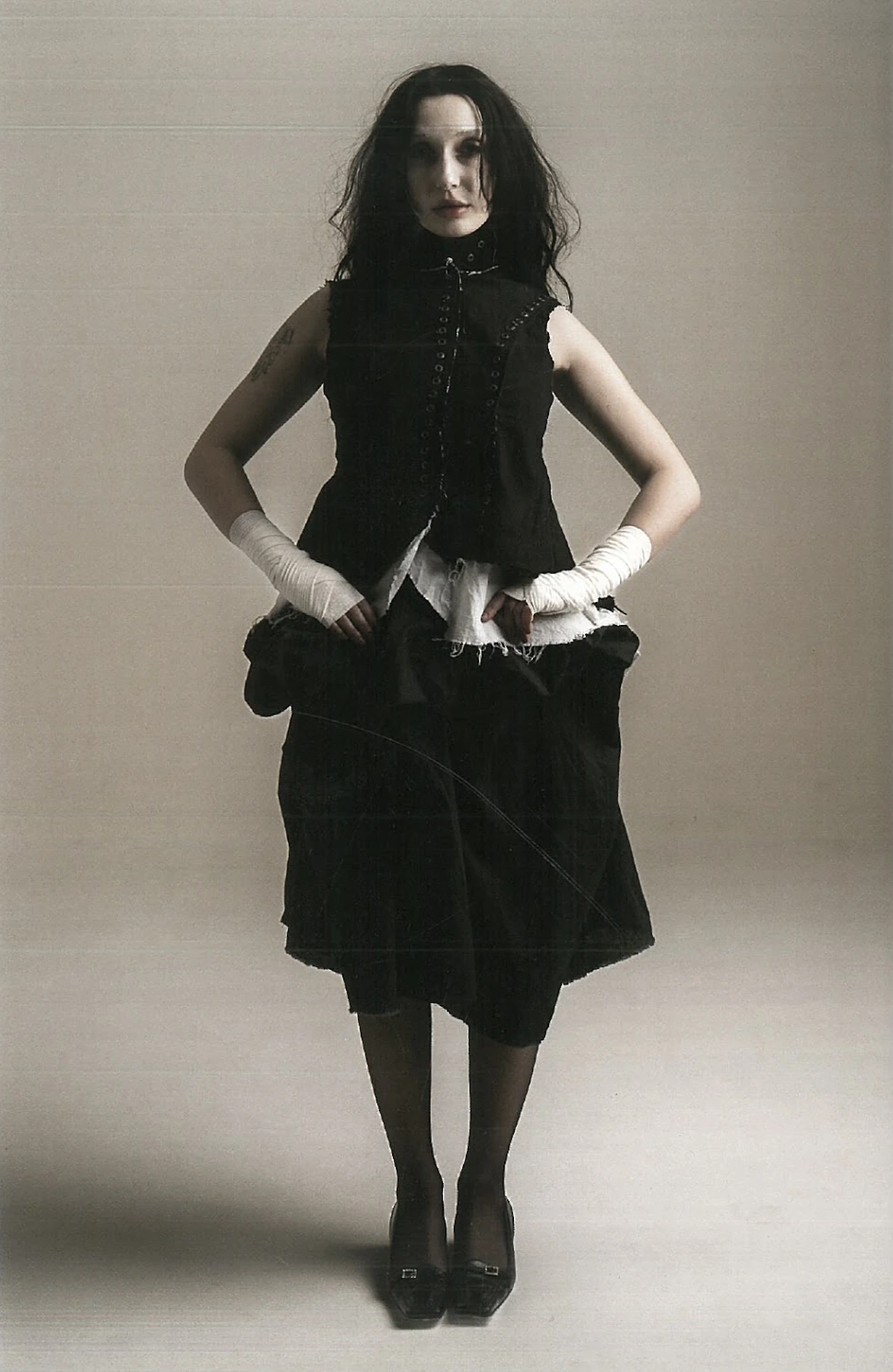
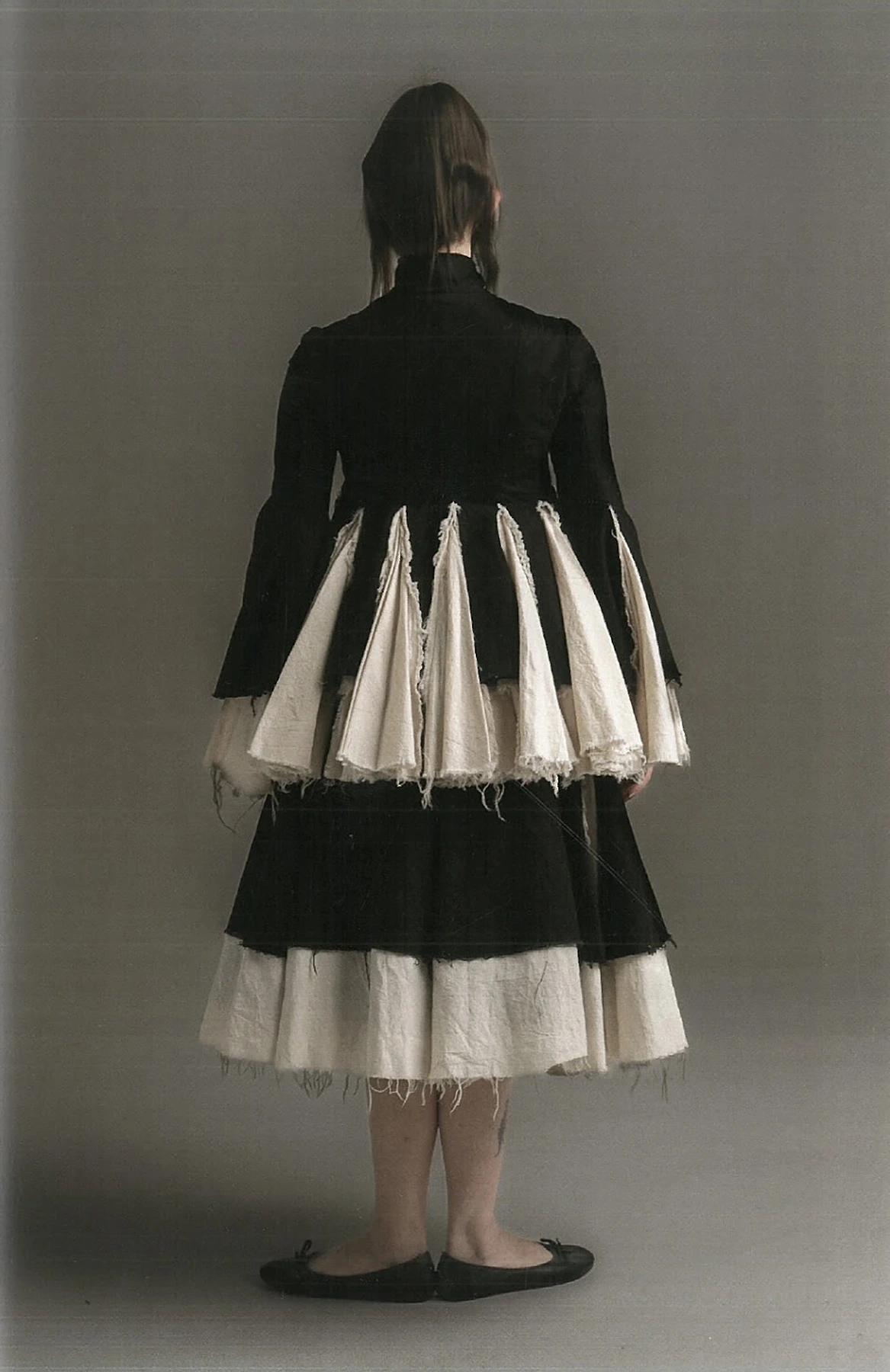
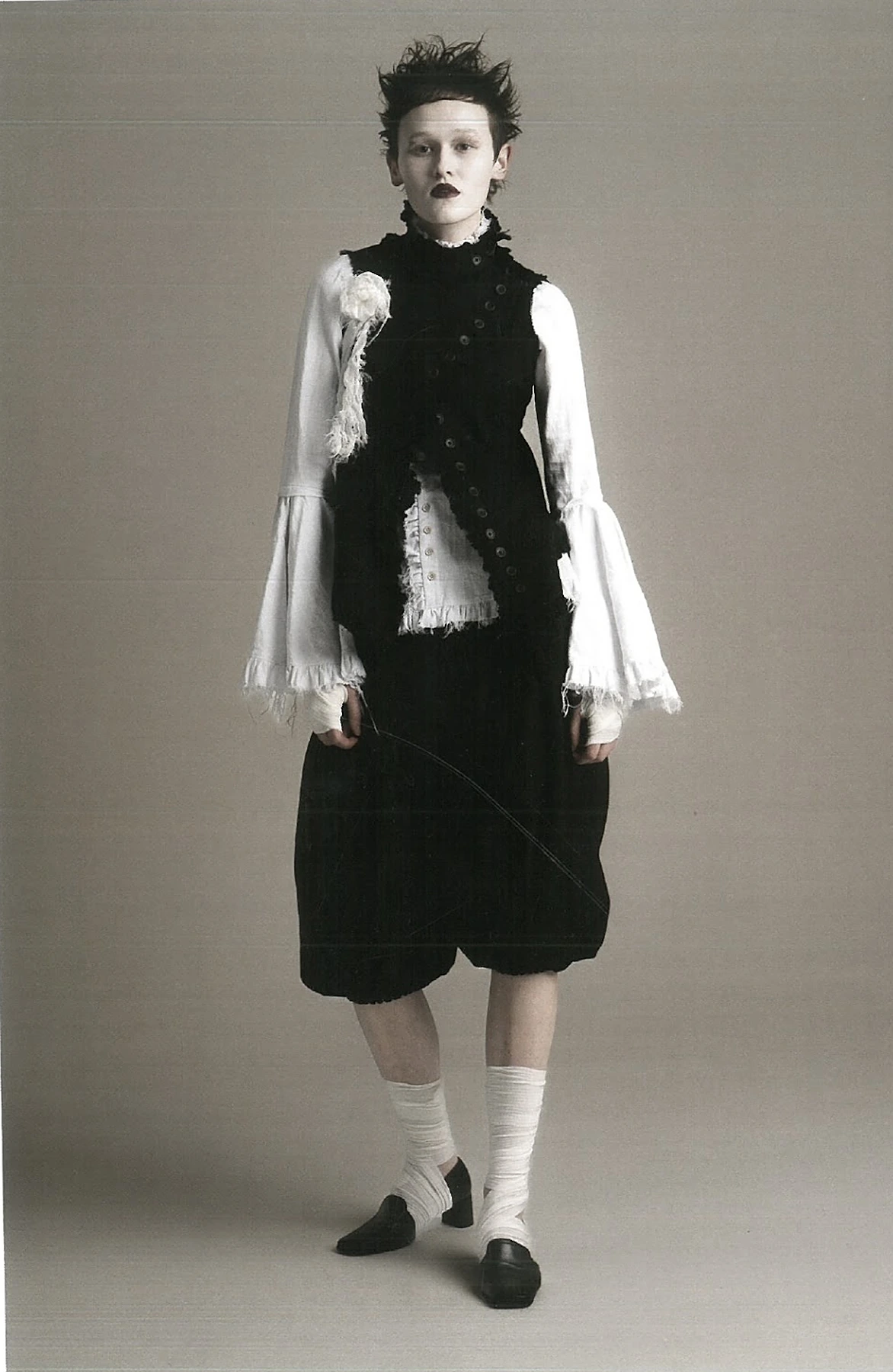
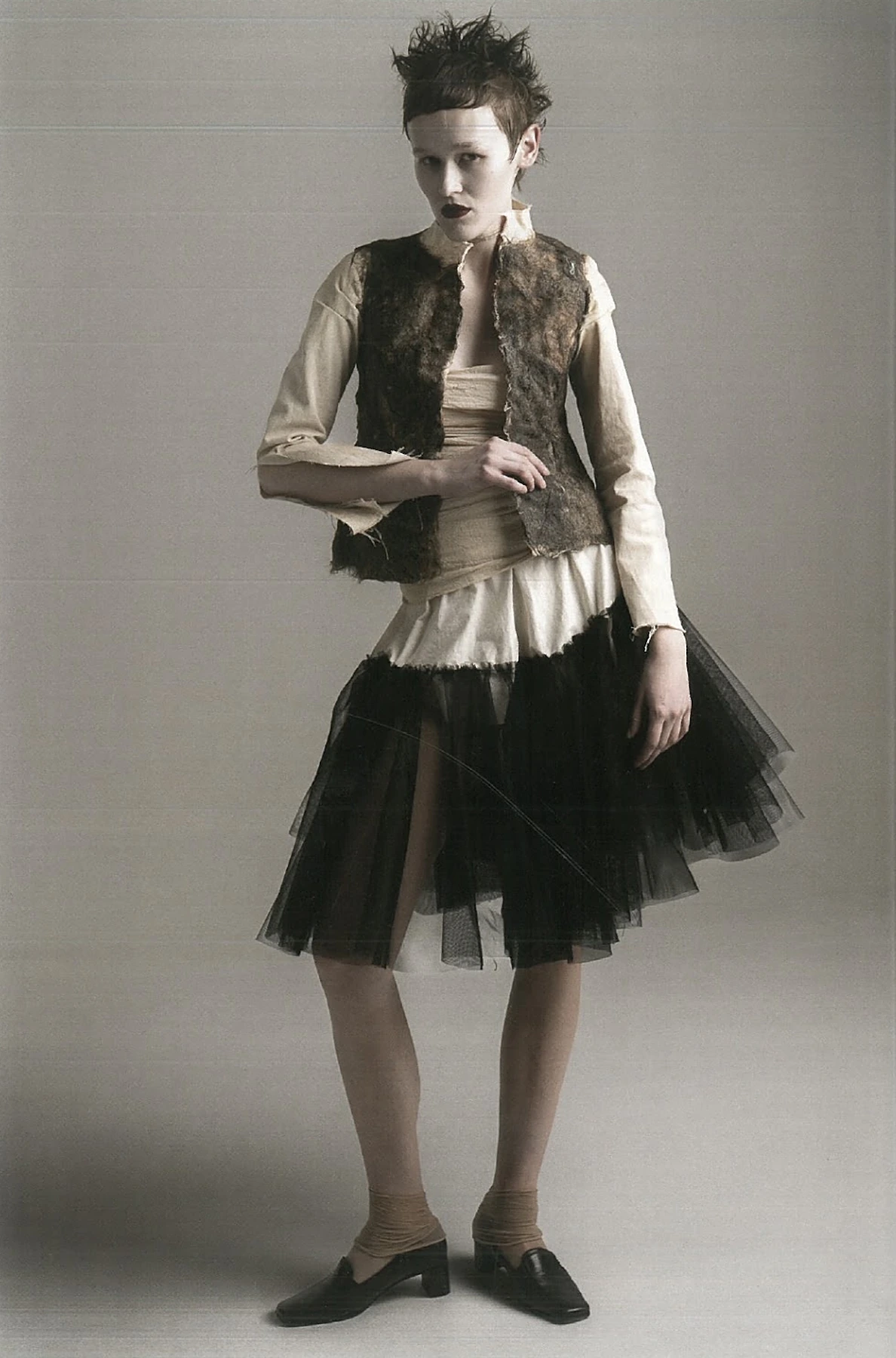
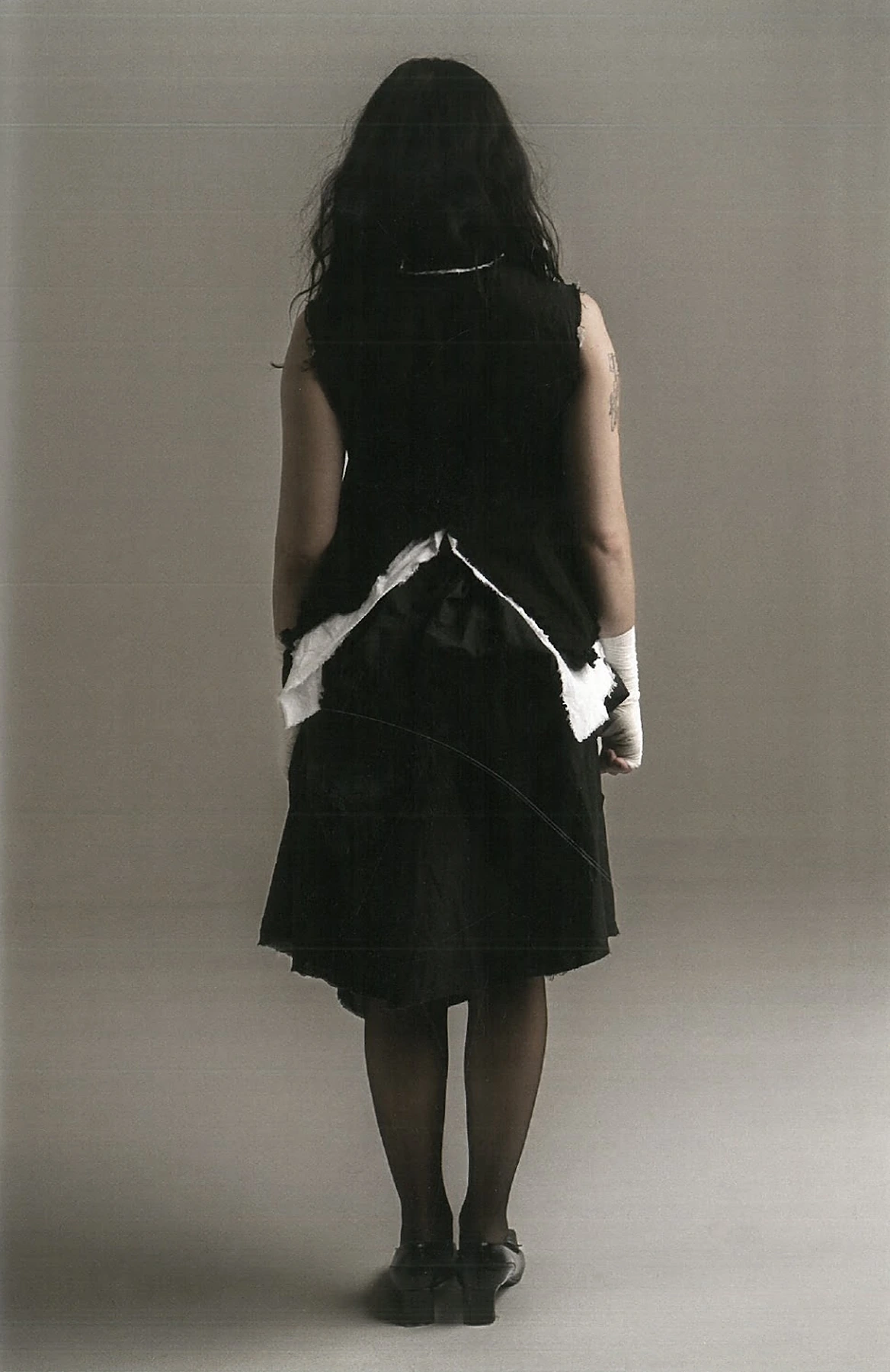
“The Third World of Women” by Martyna Agnieszka is made of eight silhouettes. Each one stands for a woman who shaped the designer: members of her family, her teachers, and women she never met. The collection does not tell their stories. It takes from each of them a trait, a gesture or a form of authority, and turns it into construction.
The title
The title comes from Susan Sontag. “The Third World of Women” was written in July 1972 as Sontag’s answer to a questionnaire sent to her, Simone de Beauvoir and four other women by “Libre”, a Spanish-language political and literary quarterly edited in Paris. It appeared in Spanish that October and in English in “Partisan Review” in 1973. In it Sontag described the position of women through the language of colonialism: men as colonisers, women as the colonised, and the liberation of women as a matter of power, not only of attitude.
Martyna’s own description of the collection opens with an idea Sontag formulated in her essays of those years: that beauty, the activity society assigns to women, becomes the theatre of their enslavement. The collection starts from that point. It does not illustrate the essay. It asks what clothes would look like if beauty were treated as a structure to be examined rather than a surface to be offered.
Wrapping, not revealing
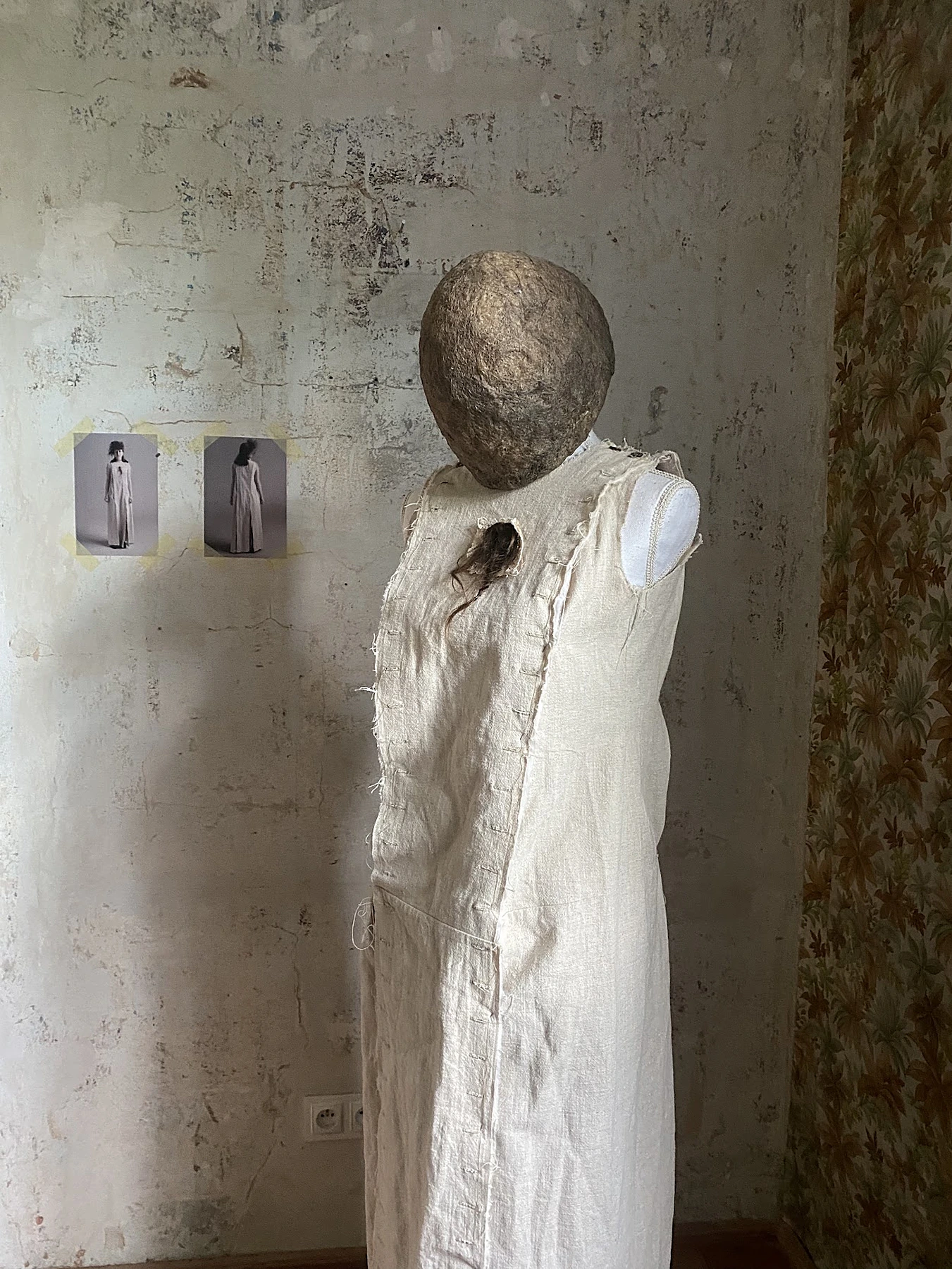
For Martyna, design is a way of telling a story through costume. She addresses her clothes to “people of a certain mindset rather than a specific age or physique.” She rejects the idea of fashion as sexual excess, built to reveal or accentuate the female body. She prefers to wrap, to shape and to rebuild. Garments are assembled around the body and reorganise it, instead of exposing it. She describes this as “a construction work that indicates the value of things that are beautiful but not merely pretty.”
The difference between beautiful and pretty runs through the whole collection. Pretty pleases at first sight. Beautiful, in her terms, has to be read: in the way a garment closes, holds the body and leaves its own making visible.
“A construction work that indicates the value of things that are beautiful but not merely pretty.”
Three materials
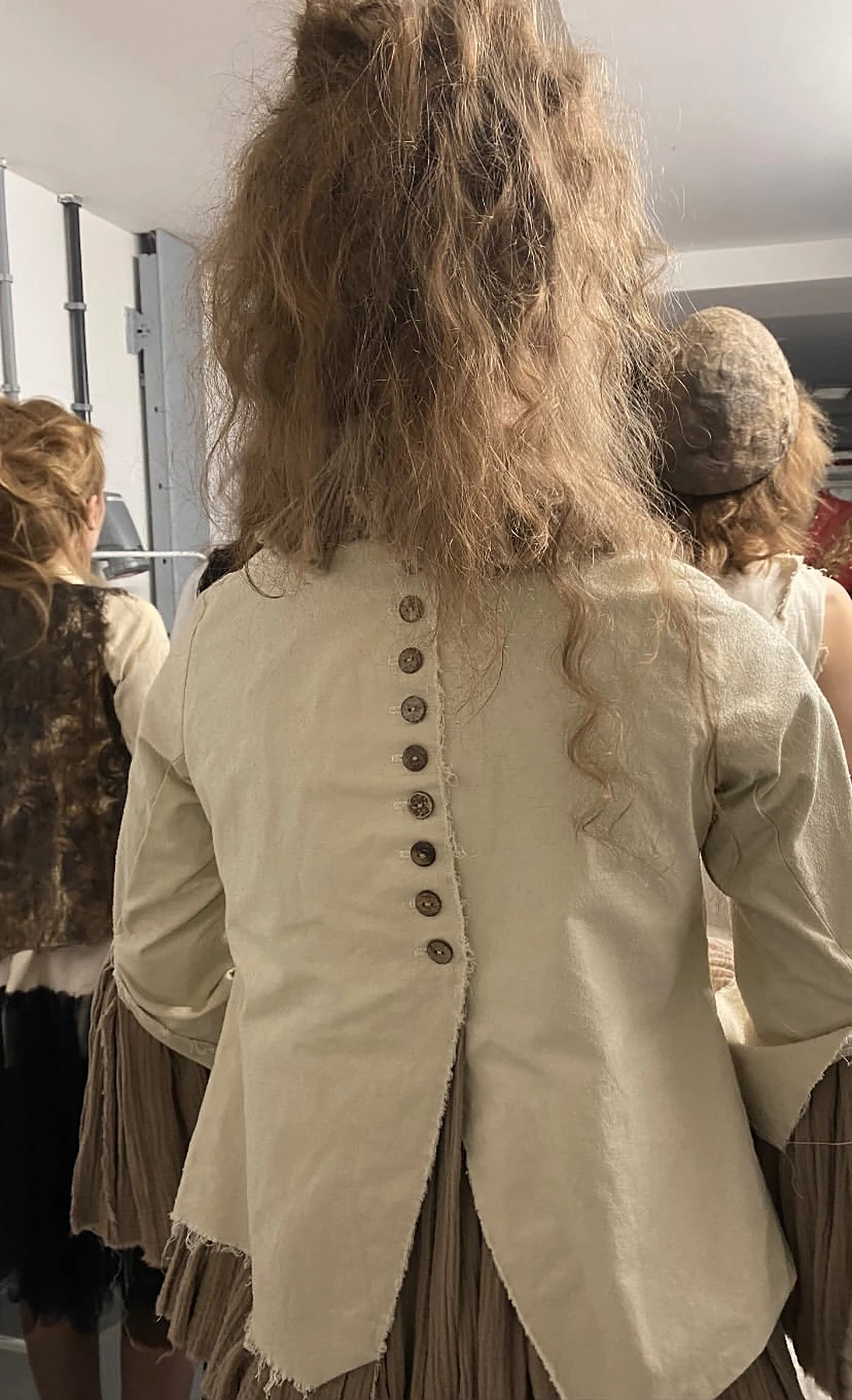
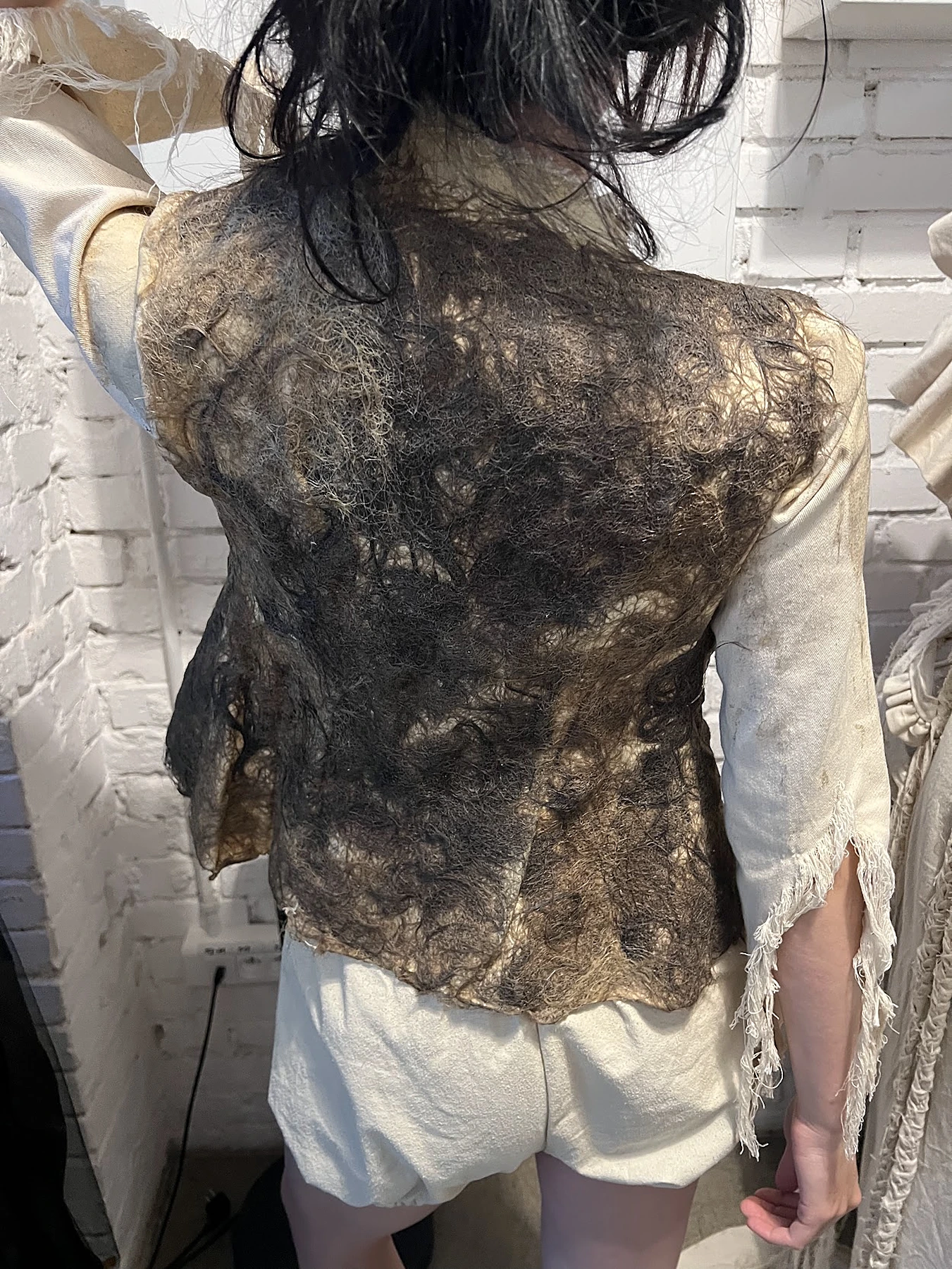
Three details carry the argument. Fabric edges are left raw, not finished or turned in, so that the garment keeps the trace of its cutting. Virgin human hair is worked into the pieces as material, an extension of the body that is at once intimate and unsettling. And the buttons are placed on the right side, as on menswear, while women’s garments traditionally button on the left. The shift is small, but it moves the garment from one code of dress to another.
In her words, these elements are there “to articulate the direction rather than please aesthetically.” They are not decoration. Each one changes how the garment is built and how it is read.
Eight women
Each silhouette corresponds to one woman. The references are condensed rather than narrated. Among them are a mother, a grandmother and a teacher, alongside more distant figures connected through family, affinity or memory. The maternal figure gives the collection its origin and its sense of authority. The grandmother’s creative life, never fully realised, continues through the work. A teacher represents a space where curiosity and disagreement were allowed rather than corrected. The women the designer never met appear only as gestures. None of them is portrayed. What remains of each is a line, a closure, a way of holding the body.
Care and control
The result is a collection held in tension between opposite forces: care and control, intimacy and discipline. Wrapping protects, but it also restricts. Hair belongs to the body, but cut and placed on a garment it becomes something foreign. The menswear buttons borrow a code of authority and place it on a woman’s body. Beauty here is neither immediate nor passive. It is built, edited and reassembled, like the memories behind each of the eight silhouettes, and it asks to be read rather than simply seen.
Otto silhouette, otto donne e un titolo preso da Susan Sontag: la collezione di Martyna Agnieszka tratta la bellezza come qualcosa che si costruisce, non che si mostra.
“The Third World of Women” di Martyna Agnieszka è composta da otto silhouette. Ognuna rappresenta una donna che ha formato la designer: persone della sua famiglia, sue insegnanti e donne che non ha mai conosciuto. La collezione non racconta le loro storie. Prende da ciascuna un tratto, un gesto o una forma di autorità, e li trasforma in costruzione.
Il titolo
Il titolo viene da Susan Sontag. “The Third World of Women” fu scritto nel luglio 1972 come risposta di Sontag a un questionario inviato a lei, a Simone de Beauvoir e ad altre quattro donne da “Libre”, una rivista trimestrale politica e letteraria in lingua spagnola pubblicata a Parigi. Uscì in spagnolo nell’ottobre di quell’anno e in inglese sulla “Partisan Review” nel 1973. Sontag vi descriveva la condizione delle donne con il linguaggio del colonialismo: gli uomini come colonizzatori, le donne come colonizzate, e la liberazione femminile come una questione di potere, non solo di mentalità.
La descrizione della collezione scritta da Martyna si apre con un’idea che Sontag formulò nei suoi saggi di quegli anni: che la bellezza, l’attività che la società assegna alle donne, diventa il teatro della loro schiavitù. La collezione parte da lì. Non illustra il saggio. Si chiede che aspetto avrebbero gli abiti se la bellezza fosse trattata come una struttura da esaminare e non come una superficie da offrire.
Avvolgere, non scoprire
Per Martyna progettare è un modo di raccontare una storia attraverso il costume. Si rivolge a “persone con una certa mentalità, più che di una certa età o fisicità”. Rifiuta l’idea della moda come eccesso sessuale, pensata per scoprire o sottolineare il corpo femminile. Preferisce avvolgere, modellare, ricostruire. I capi sono assemblati attorno al corpo e lo riorganizzano, invece di esporlo. Lei lo descrive come “un lavoro di costruzione che indica il valore delle cose belle, ma non semplicemente graziose”.
La differenza tra bello e grazioso attraversa tutta la collezione. Il grazioso piace al primo sguardo. Il bello, nei suoi termini, va letto: nel modo in cui un capo si chiude, tiene il corpo e lascia visibile la propria costruzione.
“Un lavoro di costruzione che indica il valore delle cose belle, ma non semplicemente graziose.”
Tre materiali
Tre dettagli portano il discorso. I bordi del tessuto sono lasciati a vivo, non rifiniti né ripiegati, così che il capo conservi la traccia del taglio. Capelli umani vergini sono lavorati nei pezzi come materiale, un’estensione del corpo insieme intima e inquietante. E i bottoni sono posizionati sul lato destro, come nell’abbigliamento maschile, mentre i capi femminili si abbottonano tradizionalmente a sinistra. Lo spostamento è minimo, ma porta il capo da un codice d’abbigliamento a un altro.
Con le sue parole, questi elementi sono lì “per indicare una direzione, non per piacere esteticamente”. Non sono decorazione. Ognuno cambia il modo in cui il capo è costruito e il modo in cui viene letto.
Otto donne
Ogni silhouette corrisponde a una donna. I riferimenti sono condensati, non raccontati. Tra loro ci sono una madre, una nonna e un’insegnante, accanto a figure più lontane, legate da parentela, affinità o memoria. La figura materna dà alla collezione la sua origine e il suo senso di autorità. La vita creativa della nonna, mai realizzata del tutto, continua attraverso il lavoro. Un’insegnante rappresenta uno spazio in cui curiosità e dissenso erano permessi invece che corretti. Le donne che la designer non ha mai conosciuto compaiono solo come gesti. Nessuna di loro è ritratta. Di ciascuna resta una linea, una chiusura, un modo di tenere il corpo.
Cura e controllo
Il risultato è una collezione tenuta in tensione tra forze opposte: cura e controllo, intimità e disciplina. Avvolgere protegge, ma anche costringe. I capelli appartengono al corpo, ma tagliati e posati su un capo diventano qualcosa di estraneo. I bottoni maschili prendono in prestito un codice di autorità e lo portano sul corpo di una donna. Qui la bellezza non è né immediata né passiva. È costruita, montata e ricomposta, come i ricordi dietro ciascuna delle otto silhouette, e chiede di essere letta, non soltanto guardata.