An Italian maker who buried leather in soil, hung his garments on meat hooks and turned shoes into a system, from Carpe Diem to m_moriabc.
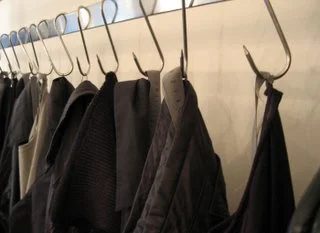
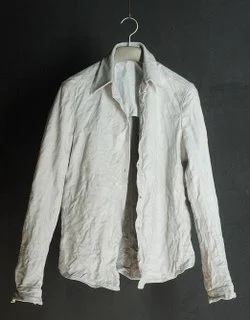
The garments did not hang on hangers. At Carpe Diem they were hung from meat hooks, a nod to the leather-making roots of the house. Each one came with its own tube case, a container built to hold and protect it. There was no campaign around it, no runway and no seasonal calendar. The jacket, the hook and the case were the whole presentation.
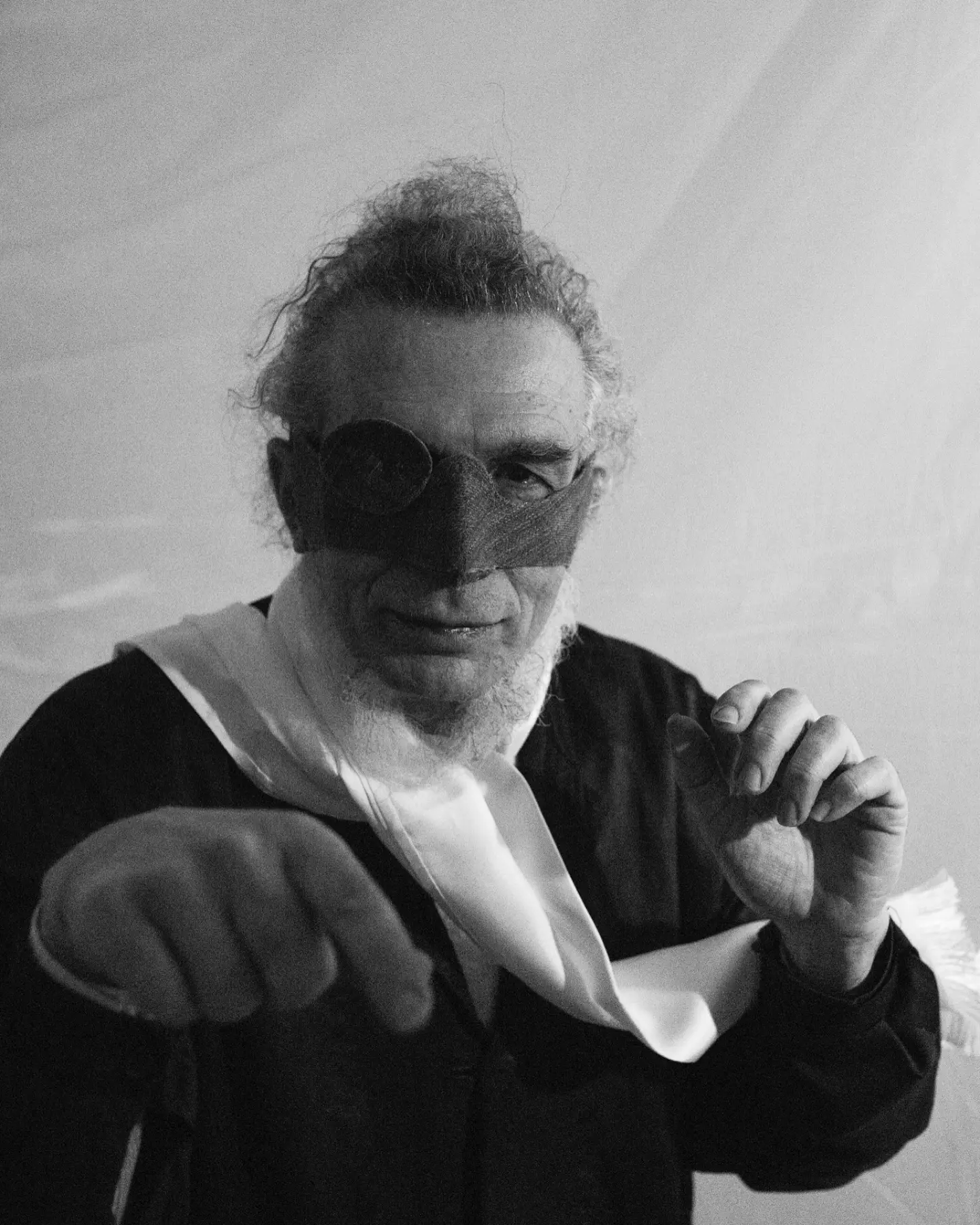
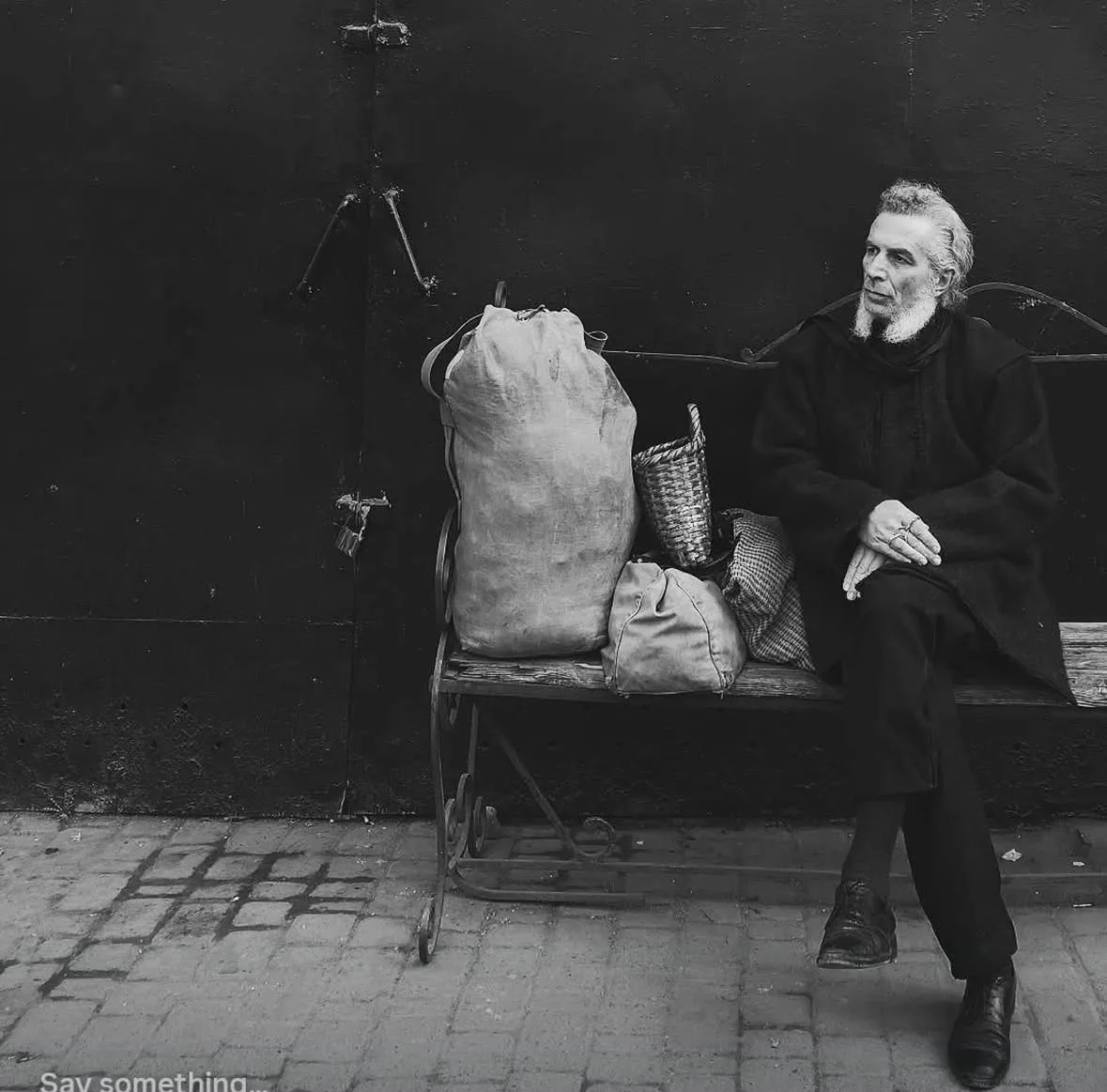
Maurizio Altieri built his practice on that reduction. Across three decades and several projects, from Carpe Diem through Avantindietro to m_moriabc, he worked in leather and in time. He treated a garment as something to be made slowly, aged on purpose and handed over with care. He did not treat it as a product to be announced. He wanted to remove himself from the fake glitter of selling fashion.
Formation
Altieri did not come to clothing through a fashion school. He first earned degrees in economics and jurisprudence, then decided to follow his real passion: clothing. His training in the trade came from inside a manufacturer. Working under Richard Stark at Chrome Hearts, he learned the basics of manufacturing and of leather treatment, the two skills that would define everything he made afterwards.
Asked in an interview how he had learned his craft, he described a process without teachers. He named no schooling and no tannery apprenticeship. He spoke only of “repeated trial and error.” When asked why leather drew him in, his answer was simple: “of all the materials, leather feels the most natural and real.”
Carpe Diem
Altieri left Chrome Hearts in 1996 and founded Carpe Diem, based in Perugia, Italy. The label began as an offshoot of his former employer. From the beginning, the house set out to make timeless, utilitarian, hand-made clothes from the finest materials, and to transform them through treatments and washes of its own. Looking back, Altieri described it in personal terms: “For me, Carpe Diem is the story of a young man who wants to create his own worldview.”
Carpe Diem began as a leather house. The core of its output was the “Continues Collection”, cut in horsehide, cowhide and anaconda. The skins were not left as they came from the tannery. They were washed, distressed, crushed and, in some cases, buried in soil for months, so the leather took on wear and decay before anyone had worn it. This deliberate decomposition challenged conventional ideas of luxury. The material carried an age it had not lived through, and the treatment became part of the design itself.
“The material carried an age it had not lived through.”
The same care went into construction. Every garment was made by hand, trousers were lined and seams were carefully distressed. The details were functional and dense: sterling silver buttons, 12-gauge overdyed cashmere, hard cottons. The house also worked out a vocabulary of cuts that later became common across the field: twisted seams, dropped-crotch trousers, asymmetric plackets and J-cut pants. The care taken over technique matched the care taken over fabric development. The result was clothing in which the soul of the maker could be seen.
The house grew outward from leather. Carpe Diem expanded into cottons and knits with L’Maltieri and Linea, and into made-to-measure with Sartoria and a bespoke line called Anatomica. In the interview, Altieri gave the project’s spirit as an equation rather than a slogan, “1+1=3”, and added that it was also the project’s name. He described a workshop of four artisans and about twenty staff. When asked about the Milan shows, he answered: “I don’t care.”
Against the system
His refusal was as much a part of the work as the leather. Carpe Diem did not advertise and did not accept editorials. It produced no seasonal collections, staged no fashion shows and avoided the other commercial activities expected of a fashion house. To Altieri, “fashion” sounded like “fascist”. He disliked the label “avant-garde” attached to his name and the practice of showing collections in a showroom without real people wearing them, and he considered himself far from the attitude of the runway. He believed the work should speak for itself. The absence of all this was meant to let people set everything else aside and look at the garment in its simplest and purest form, which he saw as the truest reason for making clothes.
His stance was close to that of Carol Christian Poell. Carpe Diem stood where two lineages met: the Japanese avant-garde of Rei Kawakubo and Yohji Yamamoto, and the experimental manufacturing of Poell and Paul Harnden in Western Europe. For this reason the label has been called the grandfather of so-called dark style.
The refusal also extended to identity. Altieri said he did not see his nationality or hometown in his work, and that he disliked “the categorization by nationality, ethnicity, etc.” He admitted to influences but declined to name them. On process, he gave the same weight to the raw material as to the cut: “the material choice is a critical point in the entire creation.”
When Carpe Diem pieces reached a shop, they arrived in this form. In New York they were shown at Atelier: distressed horsehide boots with leather laces, a crushed and washed leather shirt, a laser-cut leather jacket and a crushed leather coat.
The workshop as a school
Altieri’s Carpe Diem came to an end in 2006, when the highly successful label was sold to a Japanese buyer. By then, though, the house had already trained the people who would carry its language forward. Maurizio Amadei led the leatherwear and founded m.a+ in 2006. Simone Cecchetto designed the footwear without formal training as a cobbler, and later founded Augusta, now A1923. Luca Laurini ran the L’Maltieri knitwear and founded Label Under Construction in 2003. Sara Lanzi was responsible for Linea from 1999 to 2003 and launched her own womenswear label in Paris in 2004. Much of what the archive market now files under “artisanal” passed through this one workshop in Perugia.
Avantindietro
After selling Carpe Diem, Altieri spent much of his energy taking apart his own earlier ideas, through a constant process of sampling and re-sampling. In 2009 he showed Avantindietro, a small collection of footwear and garments conceived as a more minimalist answer to Carpe Diem’s first collection. Despite its minimalism, it was unlike anything else on the market. Two years later came Avantindietro_Field, made with Alessio Zero, the Italian designer behind Layer-0. The two produced a small run of footwear from leather they had buried years earlier. The project took the burial technique of Carpe Diem and stretched it from months to years.
m_moriabc
“For me, shoes are not just a fetish, they are a medium,” Altieri said. The idea took form as m_moriabc, presented in Tokyo in the summer of 2012 and in October of the same year at Dover Street Market in London. The name read as memento mori a b c: a souvenir, an object made to be remembered. The shoes were hand-made in Italy from Horween cordovan by a small team of artisans. The system rested on three lasts that Altieri had spent years carving by hand from wood, and each last gave rise to a series of eleven pairs. The project set out to interpret design through traditional craftsmanship and, as it developed, to push shoemaking techniques that were thought to have reached their limits.
Each series stood for a time, a material and a shape. The A series was round, displayed in wood, and stood for the past. It was the closest to Carpe Diem. Its first model, A_I, had a pointed toe that recalled the earlier house. The series relied on traditional values: Horween cordovan; Goodyear, storm, reverse and Norwegian welts; a round, three-dimensional toe cap with a clean outline; and soles fixed with wooden pegs instead of nails. Each shoe was dyed and shaped by hand, and some models carried pearl buttons.
The B series was square, displayed in iron, and stood for the present. It was the most balanced of the three. Altieri took elements from modern footwear and applied them to traditional models, reducing the shoe to as few parts as possible within an integrated structure. The Goodyear welt, which hid the stitching, was used more widely, and the streamlined shape recalled a sports car. The toe of the sole formed a slightly blunted “U”.
The C series was triangular, displayed in treated aluminium, and stood for the future. It continued the later Avantindietro work and borrowed from boxing shoes, running shoes and open slip-ons, joining them to the craftsmanship of the A series with sole protection in coconut fibre and rubber. Its sneaker had hidden lacing that ran through the centre seam like the teeth of a zip. The toe of the sole formed a rounded “V”.
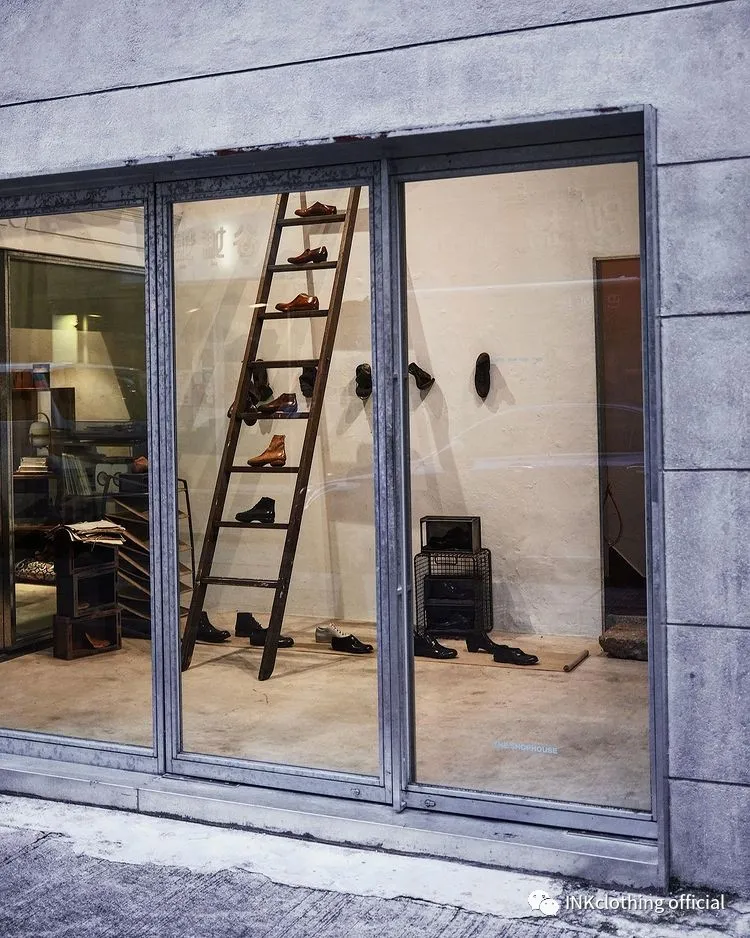
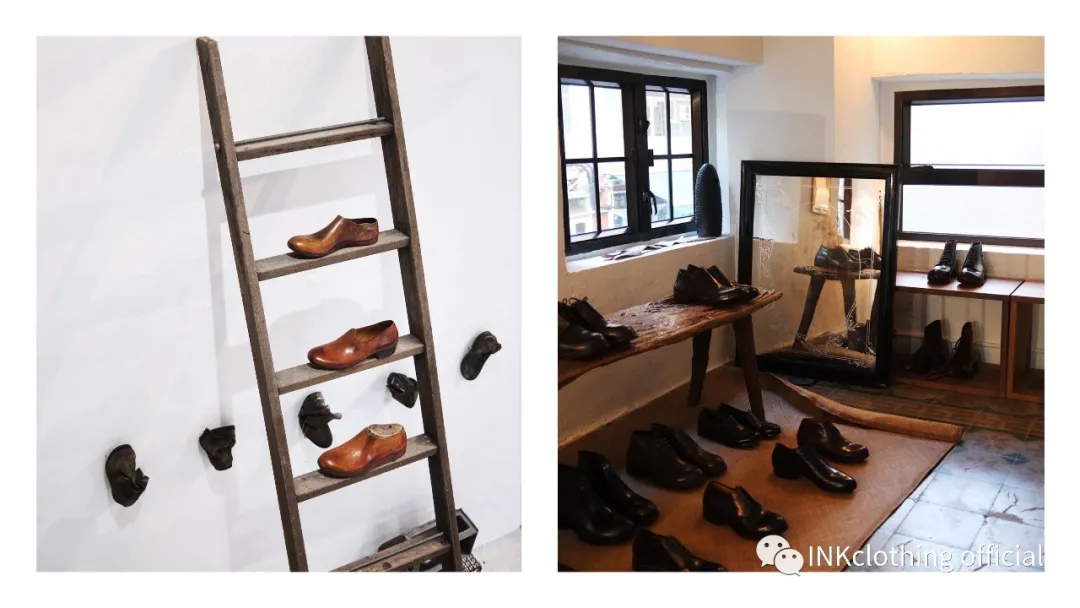
The way the shoes were shown and kept was part of the design. Altieri displayed them on a long strip of linen laid on the floor, arranged like footprints, with the linen folding up against the back of the cabinet. In London, the shoes came in thick, coated cardboard boxes of rare quality, so the tube cases of Carpe Diem had become shoe boxes built with the same intent. The Dover Street Market launch also showed how Altieri thought. Somewhat ironically, he was uncomfortable selling his own products. The installation avoided the shop floor and used spaces not meant for sale: the roof, the stairwell and a basement enclosure a person could barely fit into. It also mapped a body onto the building. On the roof, a leather chair and a metal cage covered in yarn and fabric stood for a head. Yarn ran down the staircase like arteries, and the shoes waited in the basement. Altieri had long been preoccupied with anatomy, and one of his singular achievements was to treat the garment as a continuation of the body.
The shoes were not meant to follow the times. “Shoes either make you love them or hate them,” Altieri said. On one side were the quality of the materials and the level of craftsmanship, and on the other an indifference to the damage the wearer might do to them. He hoped the wearer would take part in drawing out the beauty a shoe gains over the years.
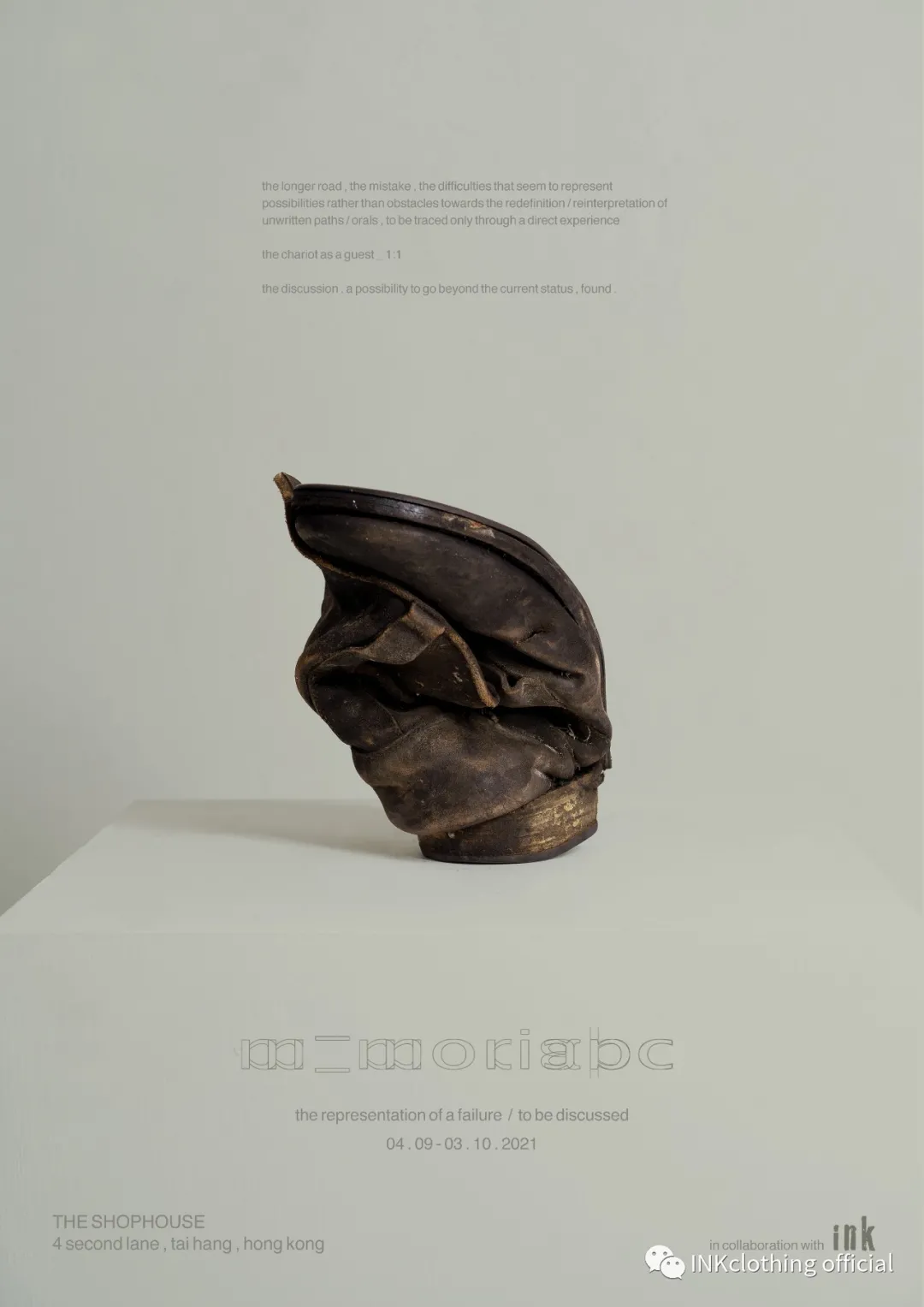
The representation of a failure
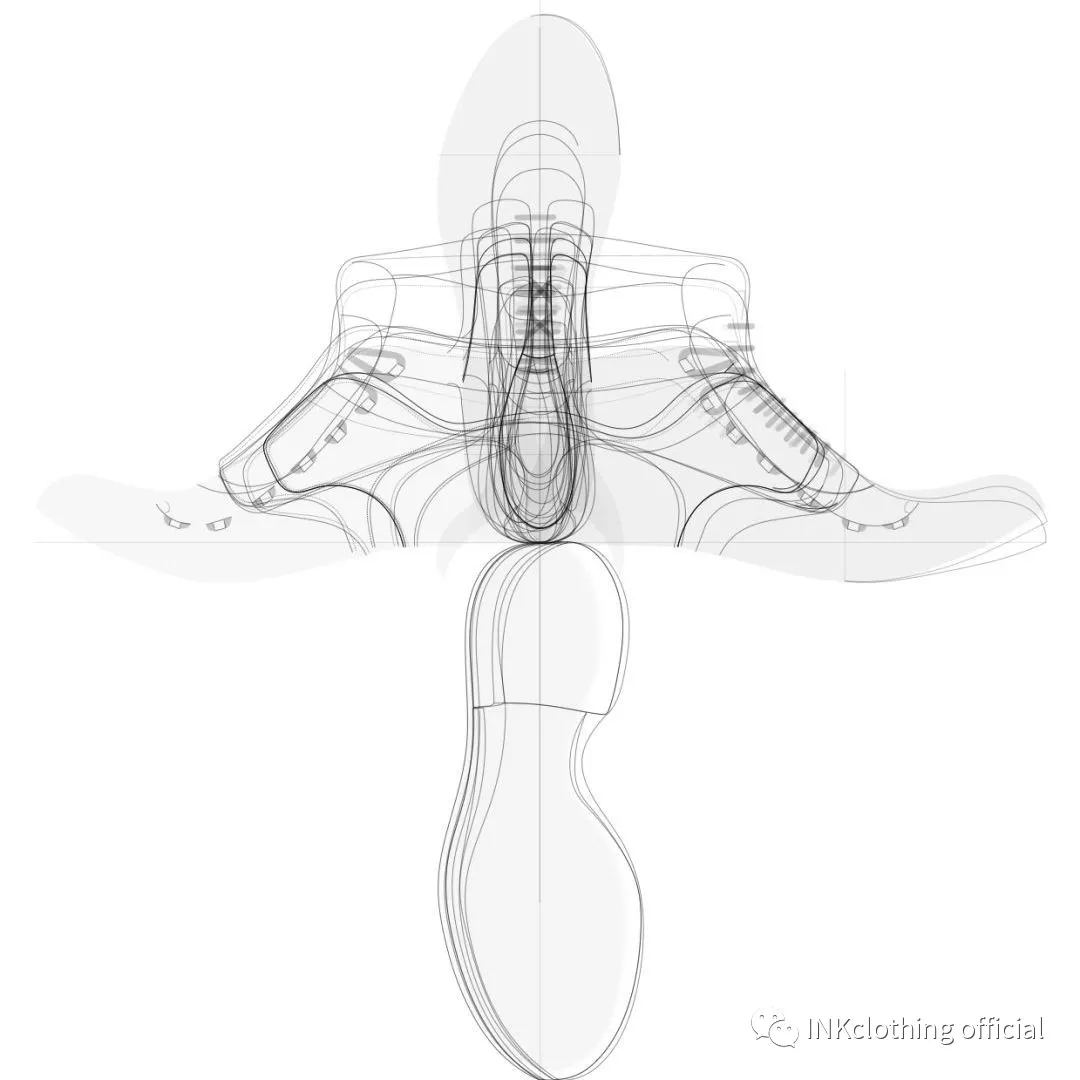
Behind m_moriabc lay a larger question. Drawing on topology, the branch of mathematics that studies the properties of a shape that survive continuous deformation, Altieri developed a group of collaborative projects around novepvnti, a matrix of nine points. m_moriabc was one of them. He analysed the formal qualities of past, present and future shoes and the spatial features they shared. His hypothesis was that they could be placed on a continuum, much as the Poincaré conjecture classifies shapes by their underlying structure. A knot tied in a wire stays a single knot, however differently the two ends are bent. In the same way, he asked what structural properties remain constant in shoes made in different eras, with different aesthetics and by different hands.
Each step was taken under critical scrutiny, with shape, pattern and structure tested against one another in an attempt to define a system. The project produced visible results: forms that did not compromise human needs or cultural context; decoration that lacked structure, removed along the way; and a knowledge, left to the hands of the craftsman, of how structure distorts, how shape drifts and how leather gives.
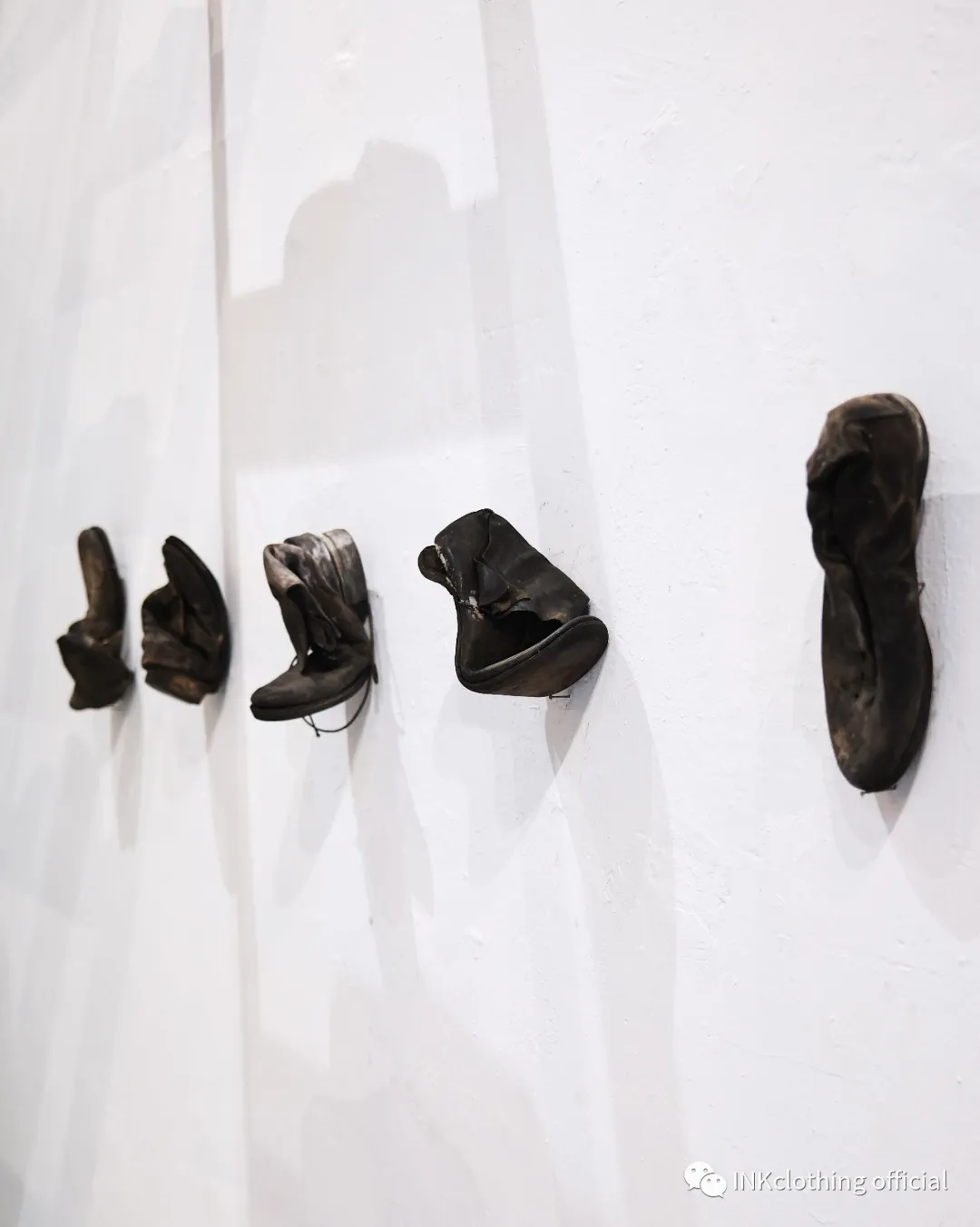
Yet the continuum was never found, and Altieri presented this openly as a failure. Instead of hiding it, he used it as a reset and put it up for discussion. The final presentation of m_moriabc, organised with ink at the gallery THE SHOPHOUSE in Tai Hang, Hong Kong, from 4 September to 3 October 2021, was the project’s largest retrospective, under the title “the representation of a failure / to be discussed”. It showed more than forty models, together with rare shoes never exhibited before, some of them offered for sale. It also showed destroyed prototypes. At the very beginning of the project, Altieri had crushed five prototypes, “a_b_c” and “I _ /”, with a heavy industrial press, just as he had once thrown away the Carpe Diem shoe models as rubbish to leave the past behind.
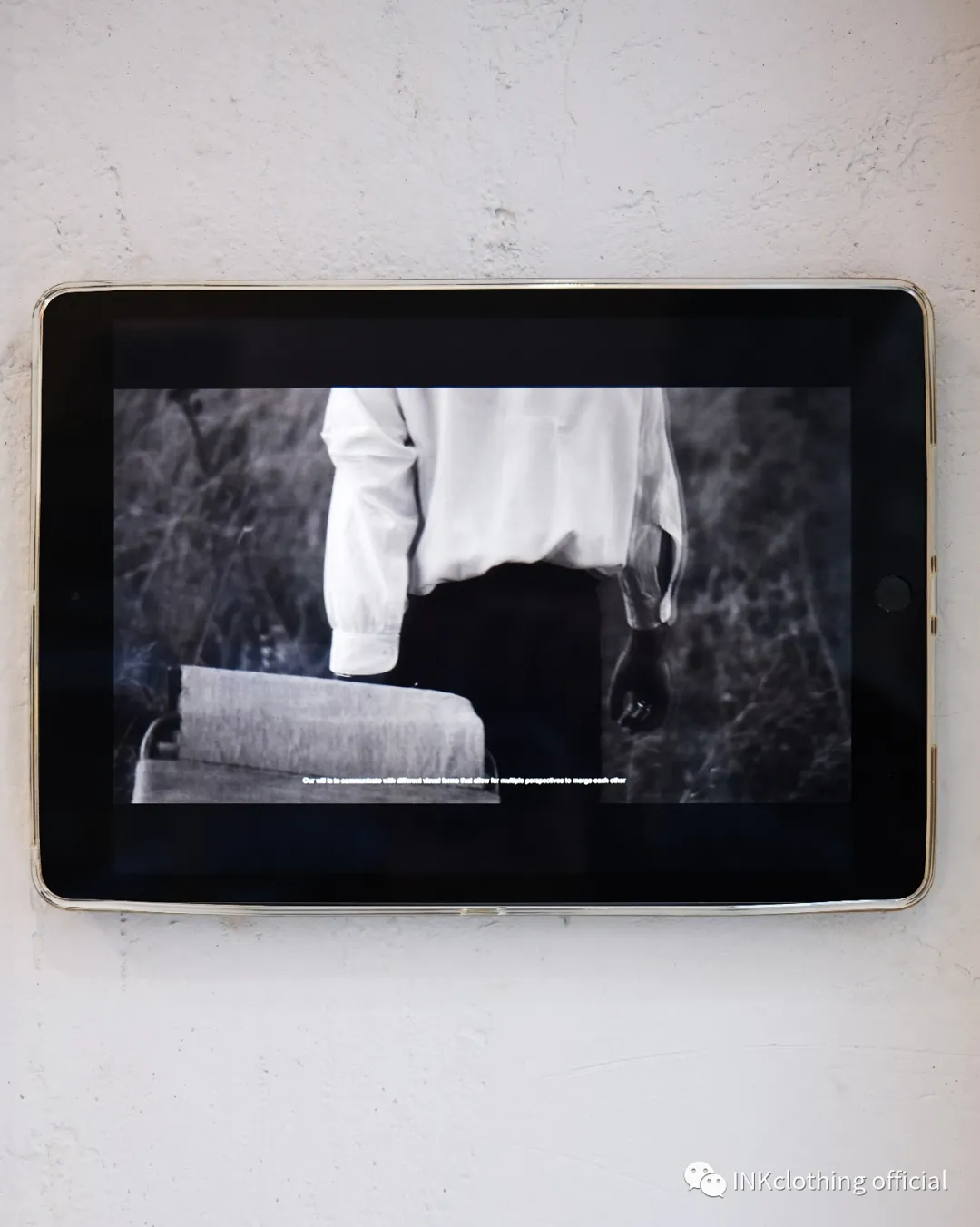
The exhibition also opened a new phase. Altieri showed a documentary he had produced himself and previewed a group of new projects that grew out of the same method: Vnapersona, an earlier continuous “single stroke” piece shown alongside m_moriabc; the Vnappendice waist bag, made by reverse moulding; 0o0o0o, a three-ring ring conceived as a sculpture; Vnasvista, sterling silver and tortoiseshell sunglasses based on an Inuit tradition; the Vnlibro bianco, grigio and nero covers; Vnora, a footwear project for which he destroyed and remade the original a b c lasts; and Vncontatto, an “egg shoe” with an ovoid sole. For Altieri, longer paths, mistakes and difficulties were openings to redefine the work, not obstacles to it.
Legacy
Altieri left Carpe Diem two decades ago, but its techniques have stayed in use. Buried and crushed leather, twisted seams, dropped crotches and asymmetric fastenings now belong to a whole field of independent makers, several of whom started in Altieri’s workshop. His own work has moved beyond clothing into shoes, objects and systems. Shoes such as the AAA_ZeRo derby in Horween shell cordovan, the BB_SeTTe Goodyear loafer and the AAA_Dve ankle boot are still offered by specialist retailers, alongside the Vnlibrogrigio bag and the 0o0o0o ring.
For an archive, Altieri’s lesson concerns method more than style. He made clothes slowly, aged them on purpose and presented them without spectacle. He stored them in cases and hung them from hooks, and left them to be judged on their own terms. When the method reached its limit, he exhibited the limit too. In an industry built on announcement, he treated the work itself as the only statement worth making.
Timeline
Click a date for details
Carpe Diem 1996–2006
Leaves Chrome Hearts and founds Carpe Diem in Perugia.
1996
Carpe Diem: the “Continues Collection” in horsehide, cowhide and anaconda.
1999–2003
Linea, led by Sara Lanzi.
2006
The label is sold to a Japanese buyer.
Avantindietro 2009–2011
2009
Avantindietro, footwear and garments.
2011
Avantindietro_Field with Alessio Zero of Layer-0, in leather buried years earlier.
m_moriabc 2012
Presented in Tokyo in the summer, then at Dover Street Market, London, in October: three lasts, A, B and C, in Horween cordovan.
Hong Kong 2021
“the representation of a failure / to be discussed”, the final m_moriabc retrospective with ink at THE SHOPHOUSE, Tai Hang, 4 September – 3 October.
Un artigiano italiano che ha sepolto il cuoio nella terra, ha appeso i suoi capi a ganci da macelleria e ha trasformato le scarpe in un sistema, da Carpe Diem a m_moriabc.
I capi non erano appesi a grucce. Da Carpe Diem venivano appesi a ganci da macelleria, un richiamo alle origini conciarie della casa. Ognuno era accompagnato dal proprio astuccio a tubo, un contenitore pensato per custodirlo e proteggerlo. Non c’erano campagne, passerelle o calendari stagionali. La giacca, il gancio e l’astuccio erano tutta la presentazione.
Maurizio Altieri ha costruito il suo lavoro su questa riduzione. In tre decenni e attraverso diversi progetti, da Carpe Diem ad Avantindietro fino a m_moriabc, ha lavorato con il cuoio e con il tempo. Ha trattato il capo come qualcosa da realizzare lentamente, invecchiare di proposito e consegnare con cura, non come un prodotto da annunciare. Voleva sottrarsi al falso luccichio della moda venduta.
La formazione
Altieri non è arrivato all’abbigliamento da una scuola di moda. Si è laureato prima in economia e in giurisprudenza, poi ha deciso di seguire la sua vera passione: i vestiti. Il mestiere lo ha imparato dall’interno di una manifattura. Lavorando con Richard Stark da Chrome Hearts ha appreso le basi della produzione e del trattamento del cuoio, le due competenze che avrebbero definito tutto il suo lavoro successivo.
In un’intervista, alla domanda su come avesse imparato il mestiere, ha descritto un percorso senza maestri. Non ha nominato scuole né apprendistati in conceria, ma solo «ripetuti tentativi ed errori». Quando gli è stato chiesto perché fosse attratto dal cuoio, ha risposto in modo semplice: «di tutti i materiali, il cuoio è quello che sembra più naturale e reale».
Carpe Diem
Altieri ha lasciato Chrome Hearts nel 1996 e ha fondato Carpe Diem, con sede a Perugia. Il marchio è nato come una propaggine del suo precedente datore di lavoro. Fin dall’inizio, la casa si è proposta di realizzare capi senza tempo, utilitari e fatti a mano con i materiali migliori, trasformandoli con trattamenti e lavaggi propri. Ripensandoci in seguito, Altieri l’ha descritta in termini personali: «Per me, Carpe Diem è la storia di un ragazzo che vuole creare la propria visione del mondo».
Carpe Diem è nata come casa di pelletteria. Il cuore della produzione era la “Continues Collection”, tagliata in cavallino, vacchetta e anaconda. Le pelli non restavano come uscivano dalla conceria. Venivano lavate, consumate, schiacciate e in alcuni casi sepolte nella terra per mesi, così che il cuoio assumesse usura e degrado prima ancora di essere indossato. Questa decomposizione deliberata metteva in discussione l’idea convenzionale di lusso. Il materiale portava un’età che non aveva vissuto, e il trattamento diventava parte del progetto stesso.
“Il materiale portava un’età che non aveva vissuto.”
La stessa cura valeva per la costruzione. Ogni capo era fatto a mano, i pantaloni erano foderati e le cuciture consumate con attenzione. I dettagli erano funzionali e densi: bottoni in argento sterling, cashmere sovratinto in calibro 12, cotoni duri. La casa ha anche messo a punto un vocabolario di tagli poi diffuso in tutto il settore: cuciture ritorte, pantaloni a cavallo basso, abbottonature asimmetriche e pantaloni con taglio a J. La cura dedicata alla tecnica era pari a quella dedicata allo sviluppo dei tessuti. Il risultato erano capi in cui si poteva vedere l’anima di chi li aveva fatti.
La casa si è estesa a partire dal cuoio. Carpe Diem è passata ai cotoni e alle maglie con L’Maltieri e Linea, e al su misura con Sartoria e con una linea bespoke chiamata Anatomica. Nell’intervista, Altieri ha espresso lo spirito del progetto con un’equazione invece che con uno slogan, «1+1=3», precisando che era anche il nome del progetto. Ha descritto un laboratorio di quattro artigiani e circa venti collaboratori. Alla domanda sulle sfilate di Milano ha risposto: «Non mi interessa».
Contro il sistema
Il rifiuto faceva parte del lavoro quanto il cuoio. Carpe Diem non faceva pubblicità e non accettava servizi editoriali. Non produceva collezioni stagionali, non organizzava sfilate ed evitava tutte le altre attività commerciali che ci si aspetta da una casa di moda. Ad Altieri la parola “fashion” suonava come “fascist”. Detestava l’etichetta di “avanguardia” accostata al suo nome e l’abitudine di mostrare le collezioni in showroom senza persone reali che le indossassero, e si considerava lontano dall’atteggiamento della passerella. Riteneva che il lavoro dovesse parlare da sé. L’assenza di tutto questo doveva permettere di mettere da parte il resto e guardare il capo nella sua forma più semplice e pura, che per lui era la ragione più vera per fare vestiti.
La sua posizione era vicina a quella di Carol Christian Poell. Carpe Diem si collocava nel punto d’incontro tra due linee: l’avanguardia giapponese di Rei Kawakubo e Yohji Yamamoto, e la manifattura sperimentale di Poell e Paul Harnden nell’Europa occidentale. Per questo il marchio è stato definito il nonno del cosiddetto stile dark.
Il rifiuto riguardava anche l’identità. Altieri ha detto di non riconoscere nel proprio lavoro la sua nazionalità o la sua città d’origine, e di non amare «la categorizzazione per nazionalità, etnia, ecc.». Ha ammesso di avere delle influenze ma si è rifiutato di nominarle. Sul processo, ha dato alla materia lo stesso peso del taglio: «la scelta del materiale è un punto critico dell’intera creazione».
Quando i capi Carpe Diem arrivavano in un negozio, si presentavano in questa forma. A New York sono stati esposti da Atelier: stivali in cavallino consumato con lacci in cuoio, una camicia in pelle schiacciata e lavata, una giacca in pelle tagliata al laser e un cappotto in pelle schiacciata.
Il laboratorio come scuola
La storia di Carpe Diem con Altieri si è chiusa nel 2006, quando il marchio, ormai affermato, è stato venduto a un acquirente giapponese. A quel punto, però, la casa aveva già formato le persone che ne avrebbero portato avanti il linguaggio. Maurizio Amadei ha guidato la pelletteria e nel 2006 ha fondato m.a+. Simone Cecchetto ha disegnato le calzature senza una formazione da calzolaio e in seguito ha fondato Augusta, oggi A1923. Luca Laurini ha diretto la maglieria L’Maltieri e nel 2003 ha fondato Label Under Construction. Sara Lanzi ha seguito Linea dal 1999 al 2003 e nel 2004 ha lanciato a Parigi il suo marchio femminile. Molto di ciò che oggi il mercato dell’archivio classifica come “artigianale” è passato da questo unico laboratorio di Perugia.
Avantindietro
Dopo aver venduto Carpe Diem, Altieri ha dedicato gran parte delle sue energie a smontare le proprie idee precedenti, in un processo continuo di campionatura e ricampionatura. Nel 2009 ha presentato Avantindietro, una piccola collezione di calzature e capi pensata come una risposta più minimalista alla prima collezione di Carpe Diem. Nonostante il minimalismo, non somigliava a nient’altro sul mercato. Due anni dopo è arrivato Avantindietro_Field, realizzato con Alessio Zero, il designer italiano dietro Layer-0. I due hanno prodotto una piccola serie di calzature con un cuoio che avevano sepolto anni prima. Il progetto ha ripreso la tecnica di sepoltura di Carpe Diem portandola dai mesi agli anni.
m_moriabc
«Per me le scarpe non sono soltanto un feticcio, sono un mezzo», ha detto Altieri. L’idea ha preso forma in m_moriabc, presentato a Tokyo nell’estate del 2012 e nell’ottobre dello stesso anno da Dover Street Market a Londra. Il nome si leggeva come memento mori a b c: un souvenir, un oggetto fatto per essere ricordato. Le scarpe erano fatte a mano in Italia in cordovan Horween da un piccolo gruppo di artigiani. Il sistema poggiava su tre forme che Altieri aveva passato anni a scolpire a mano nel legno, e da ognuna nasceva una serie di undici paia. Il progetto si proponeva di interpretare il design attraverso l’artigianato tradizionale e, evolvendosi, di spingere tecniche calzaturiere che si ritenevano arrivate al limite.
Ogni serie corrispondeva a un tempo, a un materiale e a una forma. La serie A era tonda, esposta nel legno, e rappresentava il passato. Era la più vicina a Carpe Diem. Il suo primo modello, A_I, aveva una punta affusolata che richiamava la casa precedente. La serie si affidava ai valori tradizionali: cordovan Horween; guardolo Goodyear, storm, rovesciato e norvegese; una punta tonda e tridimensionale dal profilo pulito; suole fissate con chiodini di legno invece che di metallo. Ogni scarpa era tinta e modellata a mano, e alcuni modelli avevano bottoni di madreperla.
La serie B era quadrata, esposta nel ferro, e rappresentava il presente. Era la più equilibrata delle tre. Altieri ha preso elementi dalle calzature moderne e li ha applicati ai modelli tradizionali, riducendo la scarpa al minimo dei suoi elementi dentro una struttura integrata. Il guardolo Goodyear, che nascondeva le cuciture, era usato più spesso, e la linea affusolata ricordava un’auto sportiva. La punta della suola disegnava una “U” leggermente smussata.
La serie C era triangolare, esposta nell’alluminio trattato, e rappresentava il futuro. Proseguiva il lavoro più tardo di Avantindietro e prendeva in prestito elementi dalle scarpe da boxe, da corsa e dagli slip-on traforati, unendoli all’artigianato della serie A con una protezione della suola in fibra di cocco e gomma. La sua sneaker aveva un’allacciatura nascosta, che passava nella cucitura centrale come i denti di una zip. La punta della suola disegnava una “V” arrotondata.
Il modo di mostrare e custodire le scarpe faceva parte del progetto. Altieri le esponeva su una lunga striscia di lino stesa a terra, disposte come impronte, con il lino che si ripiegava contro il fondo della vetrina. A Londra, le scarpe arrivavano in scatole di cartone spesso e rivestito, di una qualità rara: gli astucci a tubo di Carpe Diem erano diventati scatole da scarpe costruite con la stessa intenzione. Anche il lancio da Dover Street Market ha mostrato il modo di pensare di Altieri. In modo forse ironico, era a disagio nel vendere i propri prodotti. L’installazione ha evitato lo spazio di vendita e ha usato luoghi non destinati al commercio: il tetto, la tromba delle scale e un vano nel seminterrato in cui una persona entrava a fatica. Ha anche sovrapposto un corpo all’edificio. Sul tetto, una sedia in pelle e una gabbia di metallo ricoperta di filato e tessuto rappresentavano una testa. Il filato scendeva lungo le scale come arterie, e le scarpe aspettavano nel seminterrato. Altieri era da tempo ossessionato dall’anatomia, e uno dei suoi risultati più singolari è stato considerare il capo come una continuazione del corpo.
Le scarpe non erano pensate per seguire il tempo. «Le scarpe o le ami o le odi», ha detto Altieri. Da una parte c’erano la qualità dei materiali e il livello dell’artigianato, dall’altra l’indifferenza verso i danni che chi le indossava avrebbe potuto infliggere loro. Sperava che chi le portava partecipasse a far emergere la bellezza che una scarpa acquista negli anni.
La rappresentazione di un fallimento
Dietro m_moriabc c’era una domanda più ampia. Partendo dalla topologia, la branca della matematica che studia le proprietà di una forma che resistono alle deformazioni continue, Altieri ha sviluppato un gruppo di progetti collaborativi intorno a novepvnti, una matrice di nove punti. m_moriabc era uno di questi. Ha analizzato le qualità formali delle scarpe del passato, del presente e del futuro e i caratteri spaziali che avevano in comune. La sua ipotesi era che potessero essere collocate su un continuum, come la congettura di Poincaré classifica le forme in base alla loro struttura profonda. Un nodo fatto su un filo resta un solo nodo, comunque se ne pieghino le estremità. Allo stesso modo, si è chiesto quali proprietà strutturali restino costanti in scarpe nate in epoche diverse, con estetiche diverse e da mani diverse.
Ogni passaggio è stato affrontato con occhio critico, mettendo forma, modello e struttura alla prova l’una dell’altra nel tentativo di definire un sistema. Il progetto ha prodotto risultati visibili: forme che non sacrificavano i bisogni umani o il contesto culturale; decorazioni prive di struttura, eliminate strada facendo; e un sapere, affidato alle mani dell’artigiano, su come la struttura si deforma, la forma devia e il cuoio cede.
Il continuum, però, non è mai stato trovato, e Altieri ha presentato apertamente questo esito come un fallimento. Invece di nasconderlo, lo ha usato come un nuovo inizio e lo ha messo in discussione. La presentazione finale di m_moriabc, organizzata con ink alla galleria THE SHOPHOUSE di Tai Hang, a Hong Kong, dal 4 settembre al 3 ottobre 2021, è stata la più ampia retrospettiva del progetto, con il titolo “the representation of a failure / to be discussed”. Ha esposto più di quaranta modelli, insieme a scarpe rare mai mostrate prima, alcune delle quali in vendita. Ha esposto anche prototipi distrutti. All’inizio del progetto, Altieri aveva schiacciato cinque prototipi, “a_b_c” e “I _ /”, con una pesante pressa industriale, così come un tempo aveva buttato via i modelli di scarpe di Carpe Diem come rifiuti per lasciarsi il passato alle spalle.
La mostra ha aperto anche una nuova fase. Altieri ha presentato un documentario prodotto da lui stesso e ha mostrato in anteprima un gruppo di nuovi progetti nati dallo stesso metodo: Vnapersona, un lavoro precedente a “tratto unico” già esposto accanto a m_moriabc; il marsupio Vnappendice, realizzato per stampaggio inverso; 0o0o0o, un anello a tre cerchi pensato come una scultura; Vnasvista, occhiali in argento sterling e tartaruga ispirati a una tradizione inuit; le copertine Vnlibro bianco, grigio e nero; Vnora, un progetto di calzature per il quale ha distrutto e rifatto le forme originali a b c; e Vncontatto, una “scarpa a uovo” con suola ovoidale. Per Altieri i percorsi più lunghi, gli errori e le difficoltà erano occasioni per ridefinire il lavoro, non ostacoli.
L’eredità
Altieri ha lasciato Carpe Diem vent’anni fa, ma le sue tecniche sono rimaste in uso. Il cuoio sepolto e schiacciato, le cuciture ritorte, i cavalli bassi e le chiusure asimmetriche appartengono oggi a un intero campo di produttori indipendenti, molti dei quali hanno cominciato nel laboratorio di Altieri. Il suo lavoro si è spostato dagli abiti alle scarpe, agli oggetti e ai sistemi. Modelli come il derby AAA_ZeRo in shell cordovan Horween, il mocassino Goodyear BB_SeTTe e lo stivaletto AAA_Dve sono ancora proposti da rivenditori specializzati, insieme alla borsa Vnlibrogrigio e all’anello 0o0o0o.
Per un archivio, la lezione di Altieri riguarda il metodo più che lo stile. Ha fatto vestiti lentamente, li ha invecchiati di proposito e li ha presentati senza spettacolo. Li ha custoditi in astucci, appesi a ganci e lasciati giudicare per quello che erano. Quando il metodo ha raggiunto il suo limite, ha esposto anche quello. In un’industria fondata sull’annuncio, ha considerato il lavoro stesso l’unica dichiarazione che valesse la pena fare.
Cronologia
Clicca una data per i dettagli
Carpe Diem 1996–2006
Lascia Chrome Hearts e fonda Carpe Diem a Perugia.
1996
Carpe Diem: la “Continues Collection” in cavallino, vacchetta e anaconda.
1999–2003
Linea, guidata da Sara Lanzi.
2006
Il marchio viene venduto a un acquirente giapponese.
Avantindietro 2009–2011
2009
Avantindietro, calzature e capi.
2011
Avantindietro_Field con Alessio Zero di Layer-0, in cuoio sepolto anni prima.
m_moriabc 2012
Presentato a Tokyo in estate, poi da Dover Street Market a Londra in ottobre: tre forme, A, B e C, in cordovan Horween.
Hong Kong 2021
“the representation of a failure / to be discussed”, la retrospettiva finale di m_moriabc con ink da THE SHOPHOUSE, Tai Hang, dal 4 settembre al 3 ottobre.