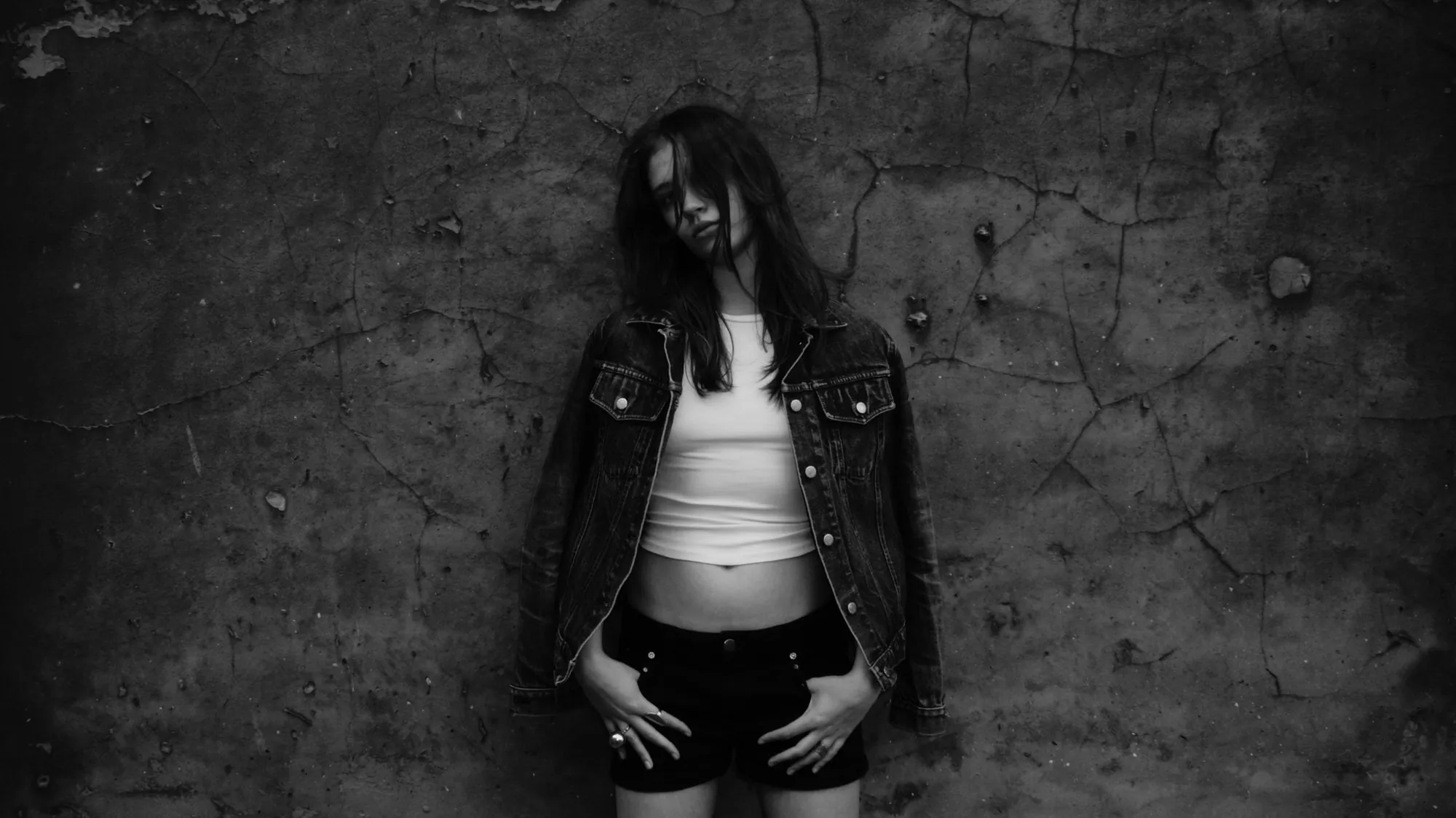
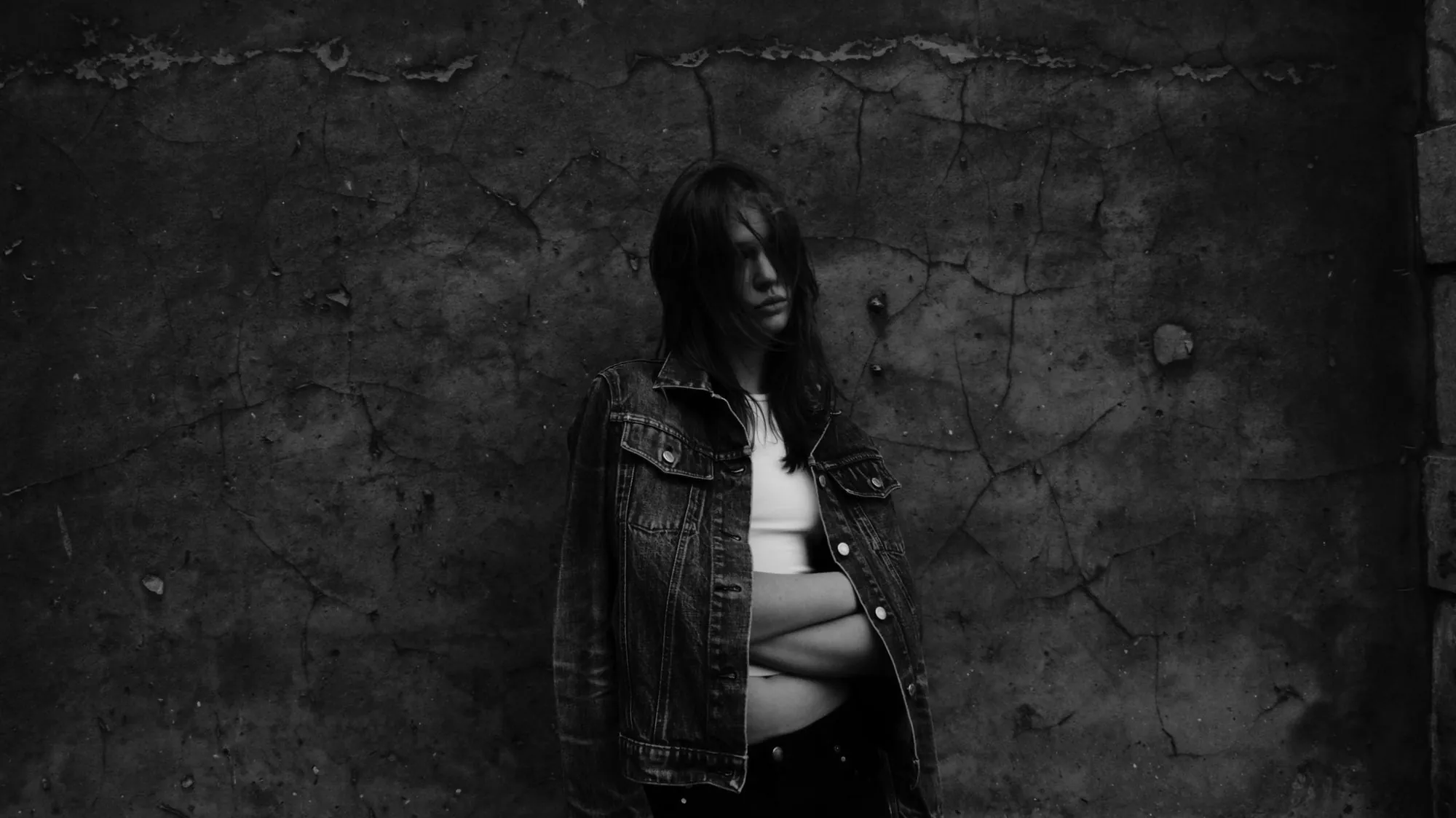
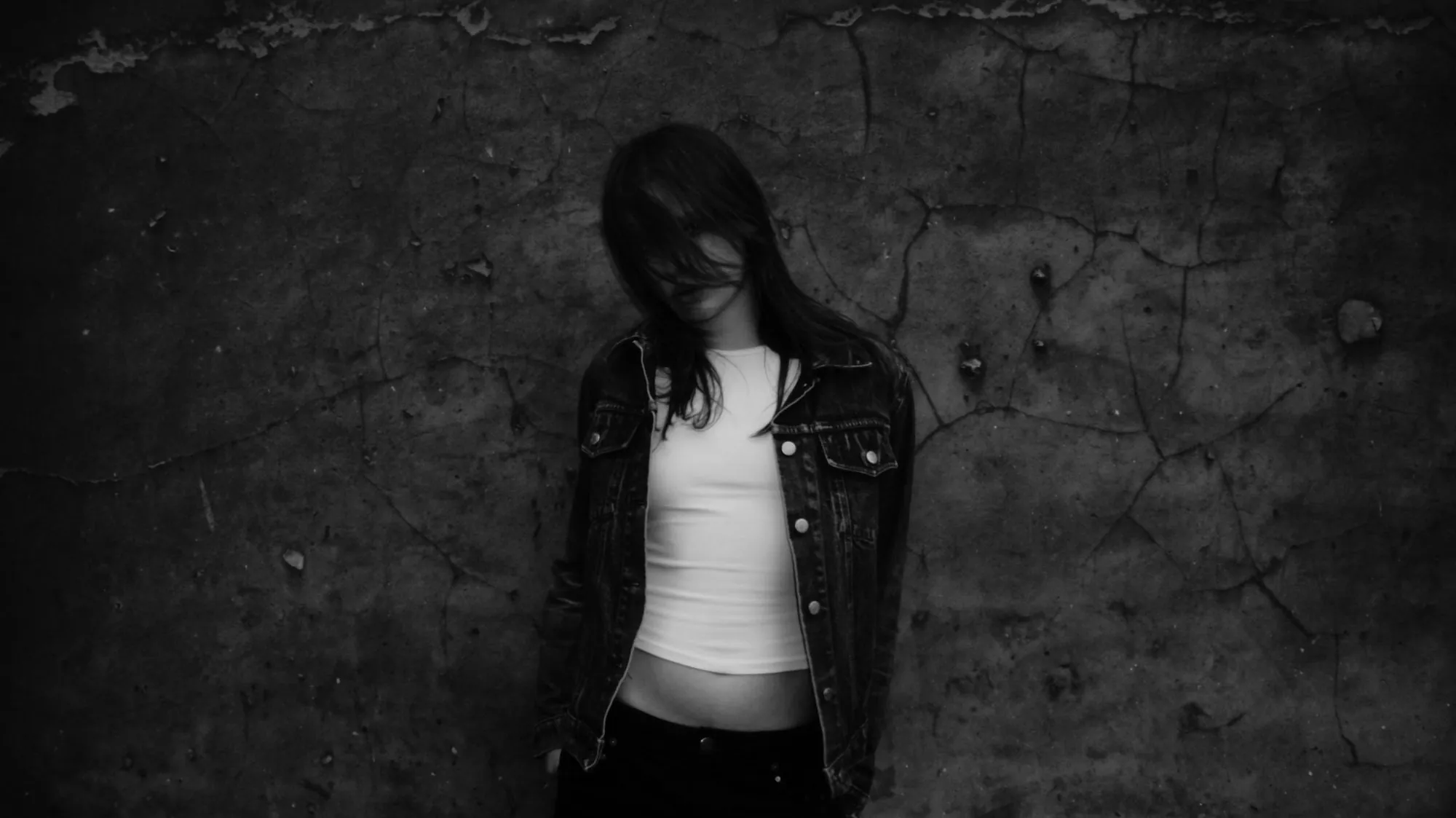
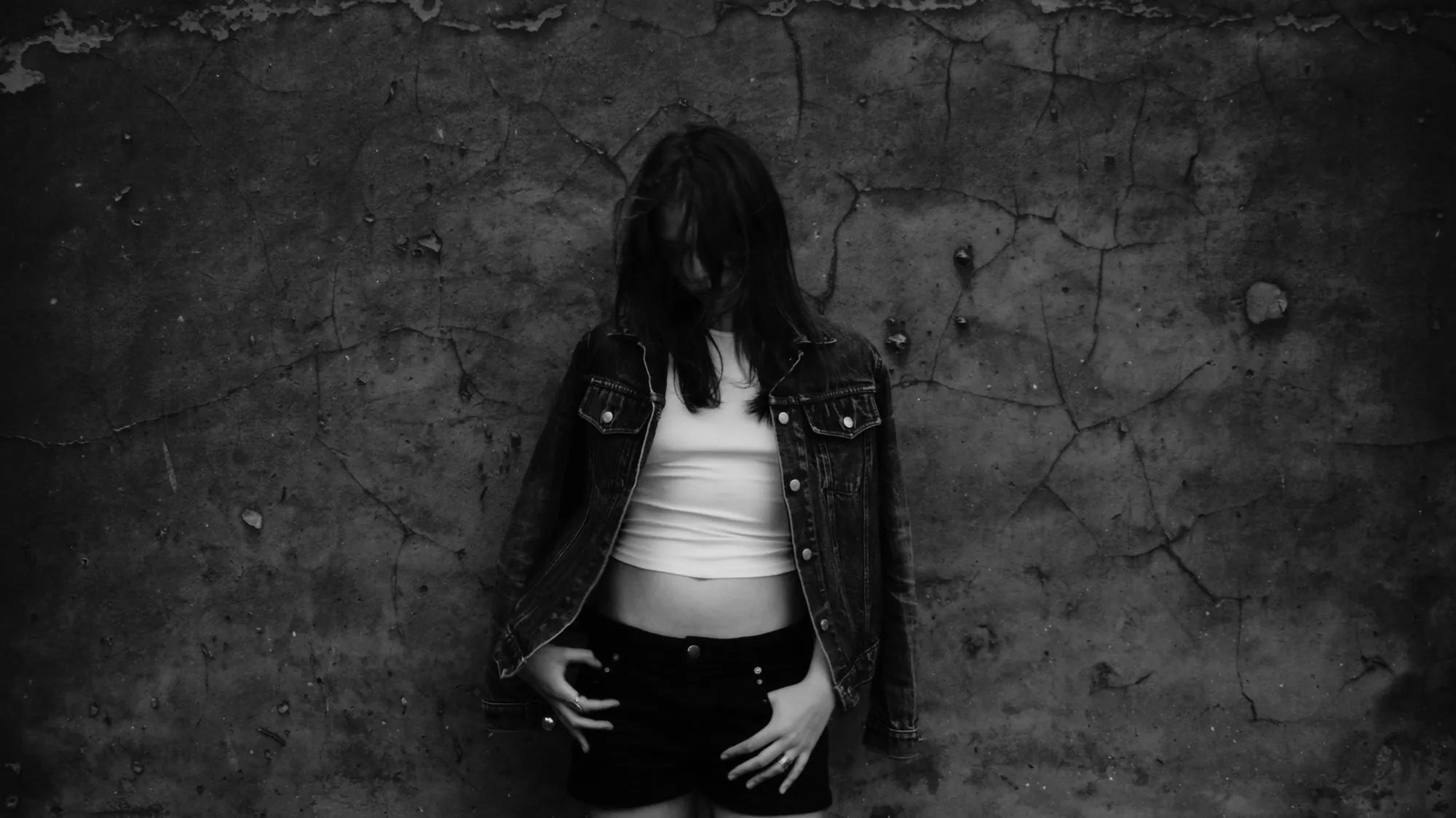
Archive clothes for absorbed people. Thank you to be part of the archive.
Archive Coulture is an archive store born as a social media page to document everything that has happened over the years in the world of fashion through videos, exploring the archives and talking about the designers and collections we love the most.
Archive Coulture is no longer just a multimedia space created by two friends, Guglielmo and Tommaso, who share the same passion: here you can see, buy, and learn the history of the garments that marked an important moment in the world of fashion.
The name Archive Coulture lies in not forgetting how much these garments can still inspire us today, and how they will always be a part of us.
Archive Coulture è un archive store nato come pagina social per raccontare la storia della moda attraverso video, archivi, designer e collezioni. Oggi puoi vedere, acquistare e conoscere la storia dei capi che hanno segnato momenti importanti della moda.
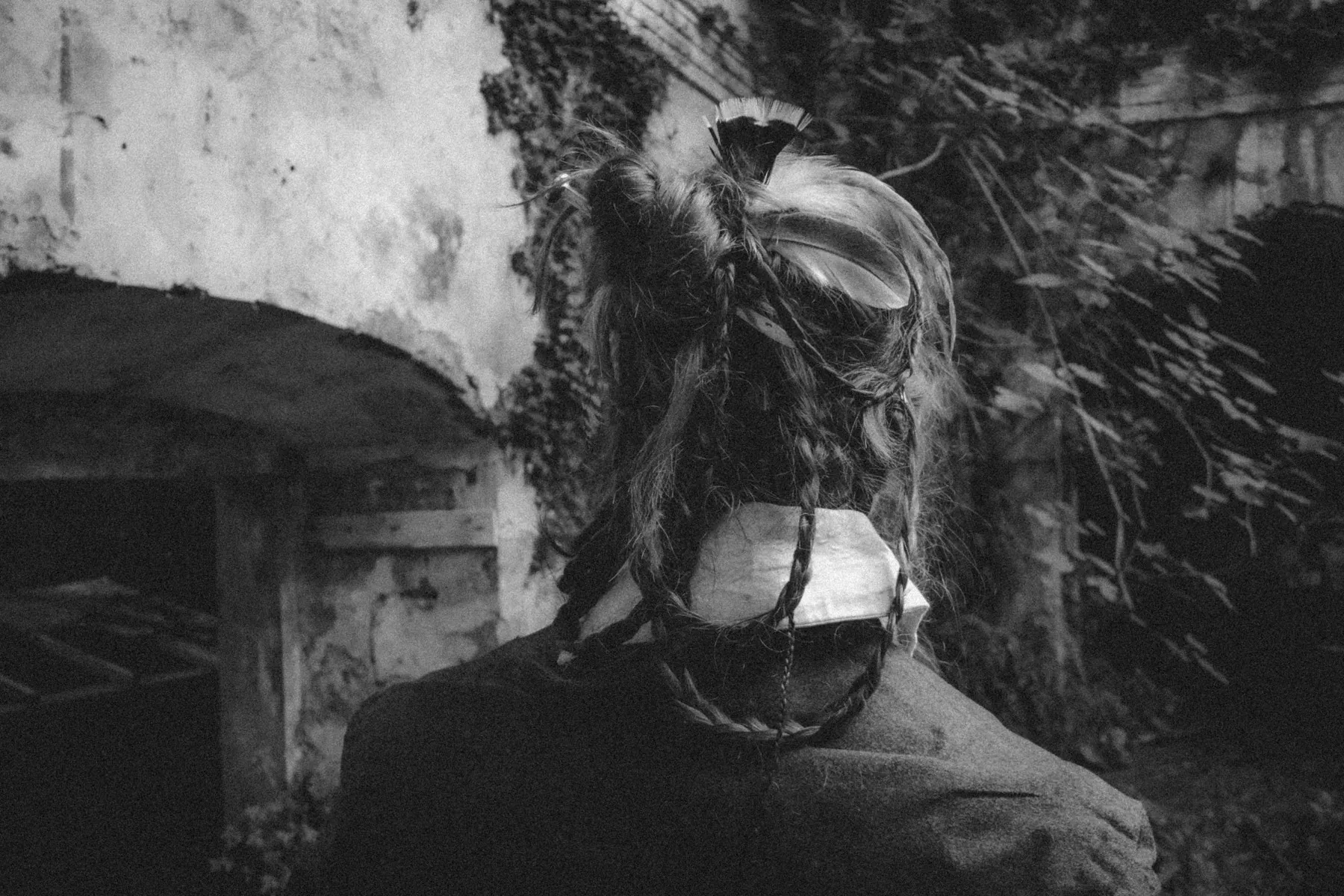
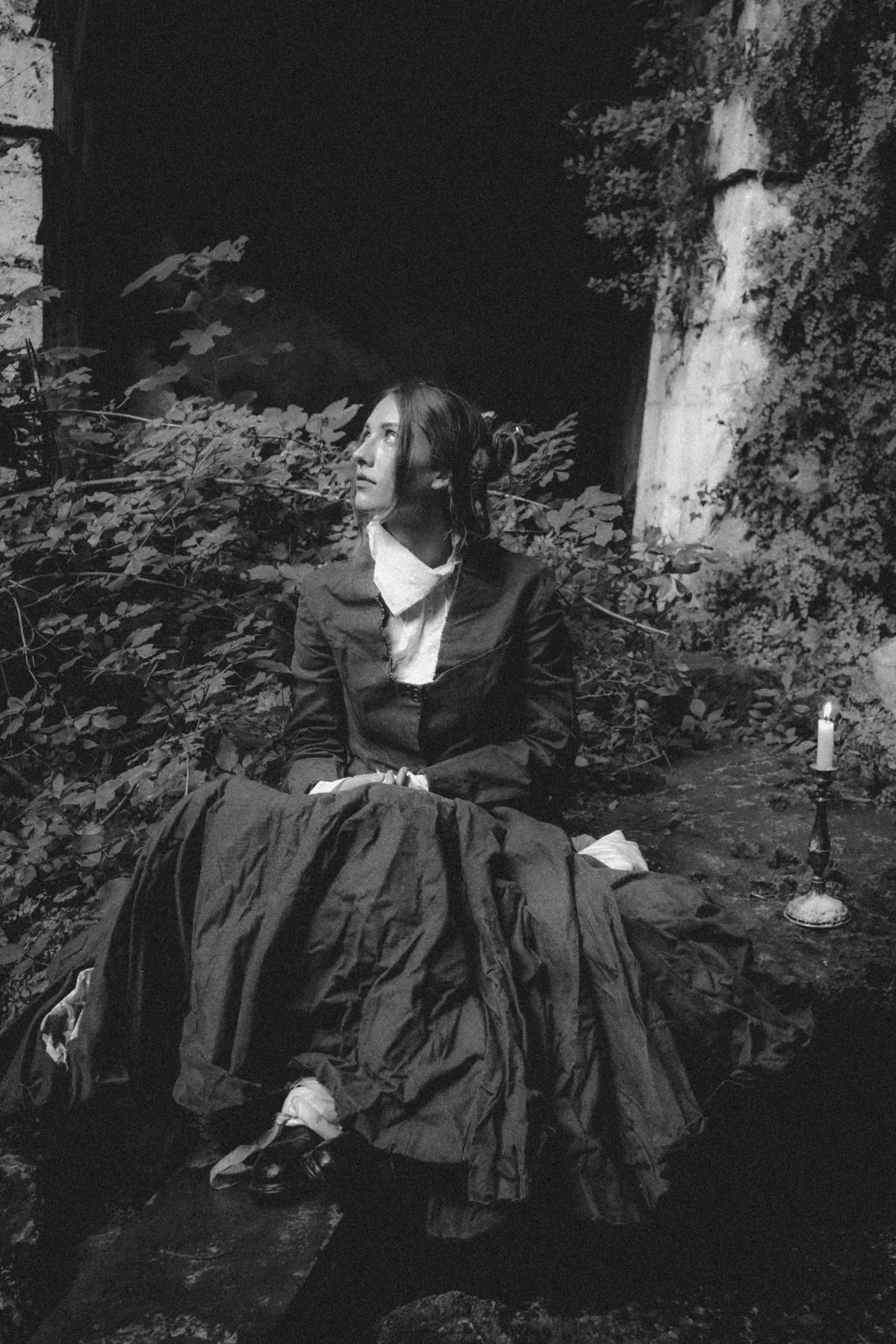
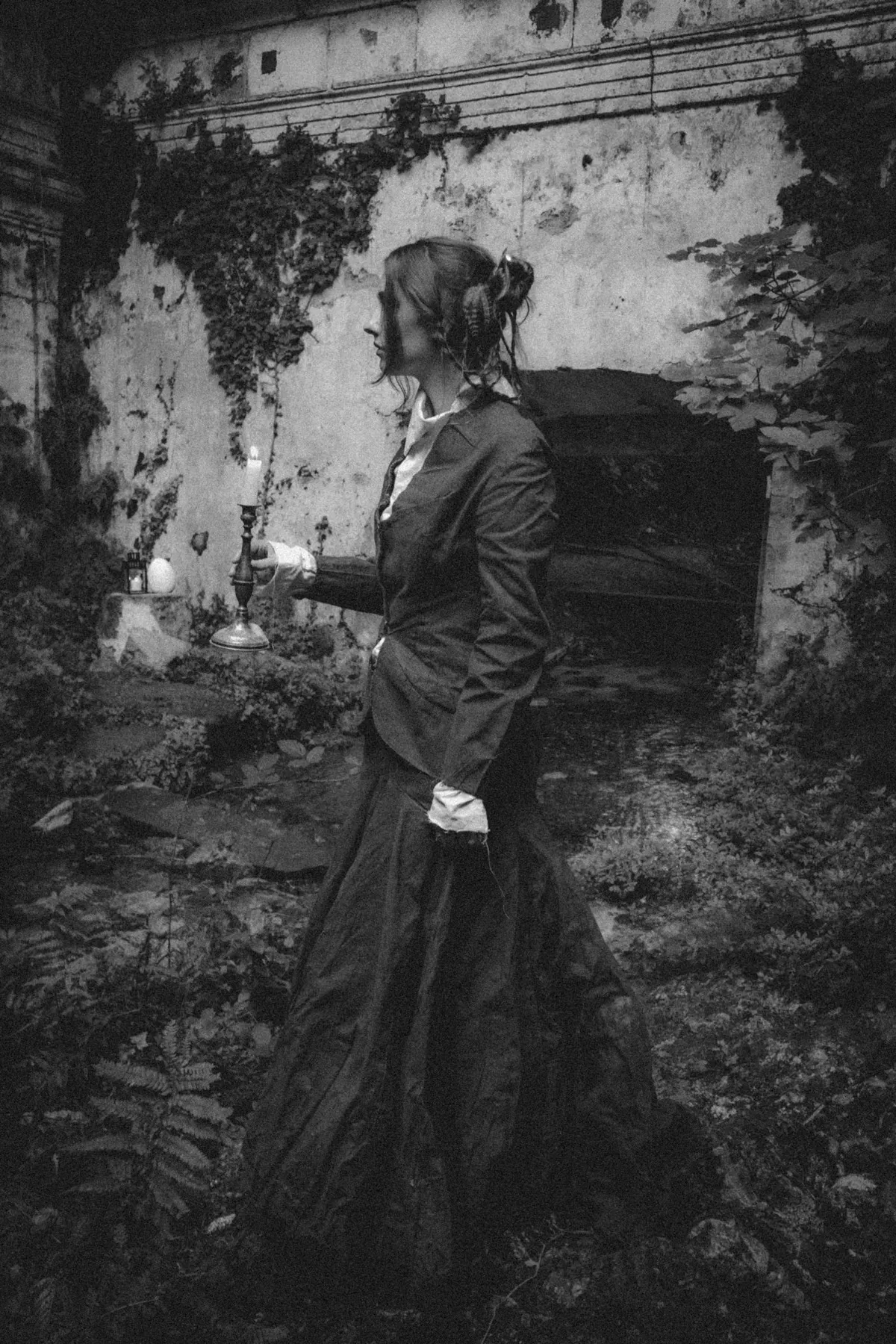
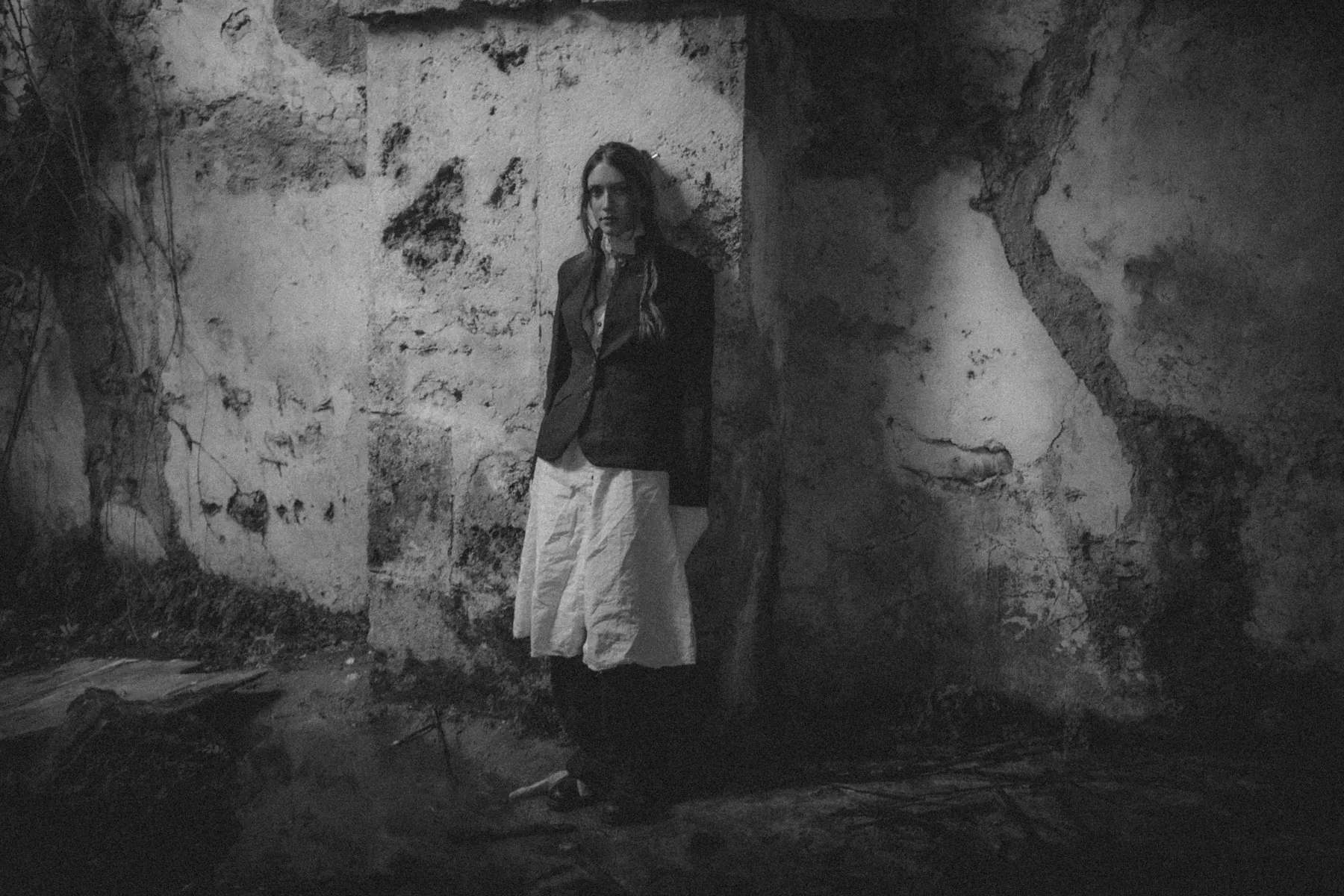
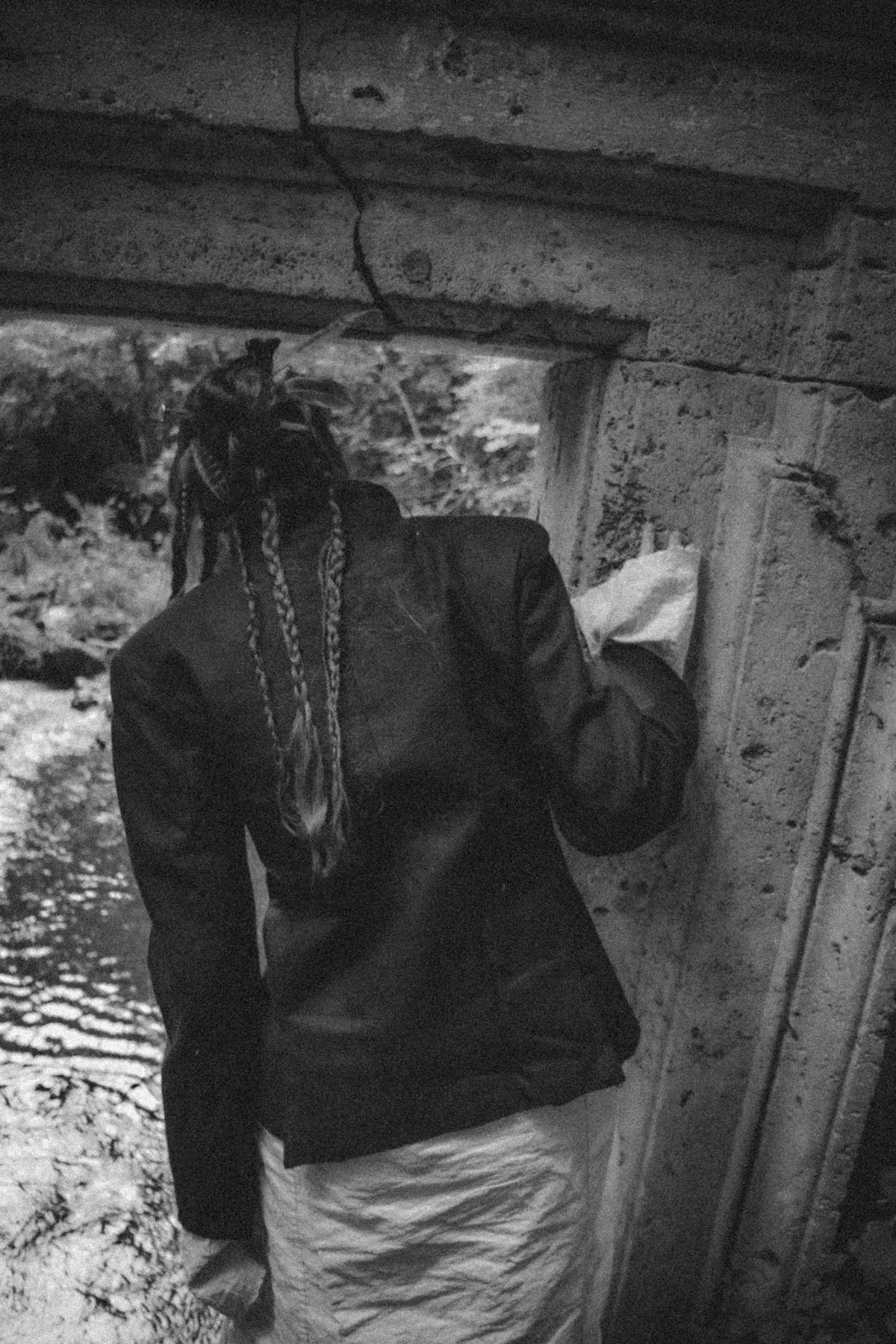
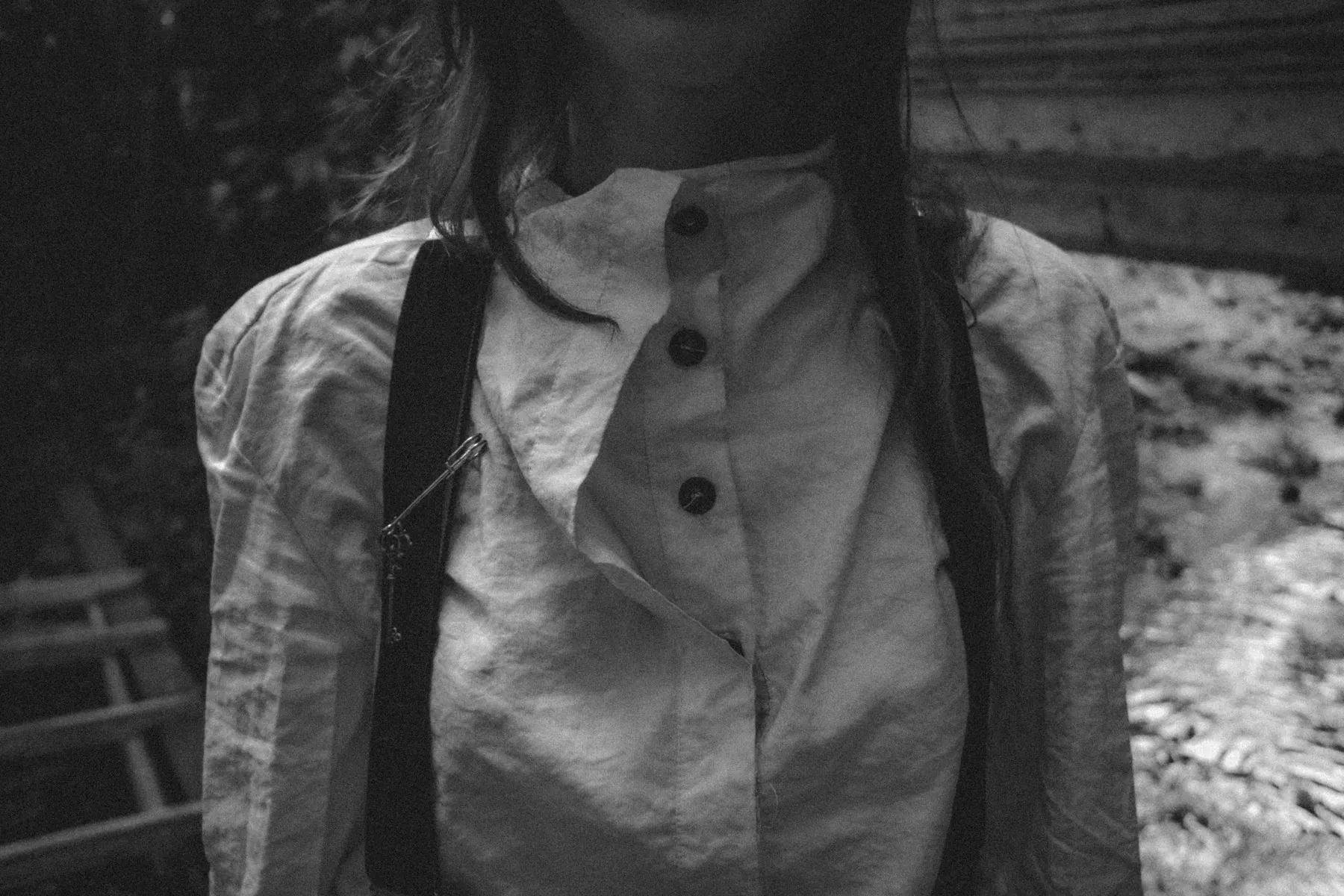
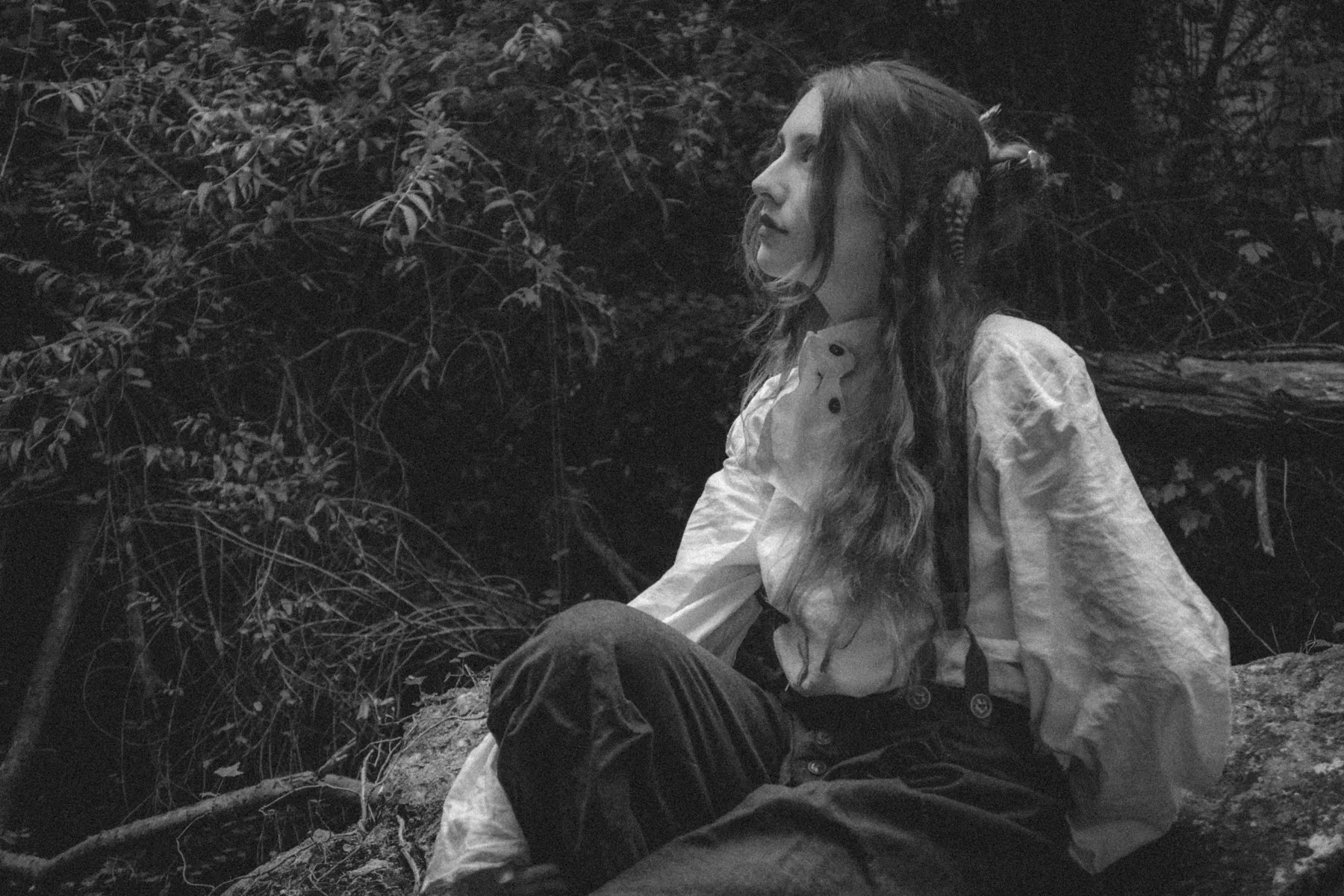
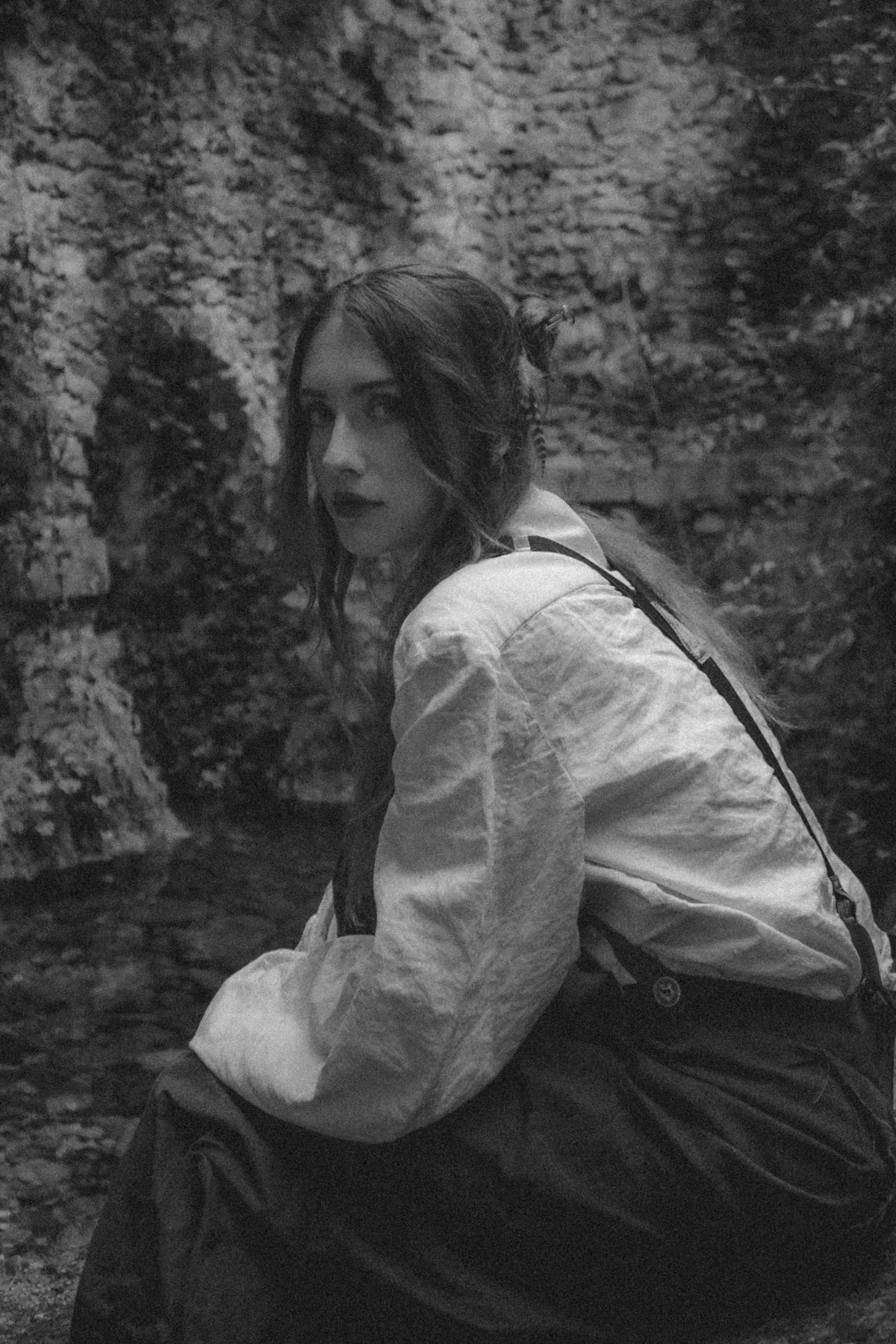
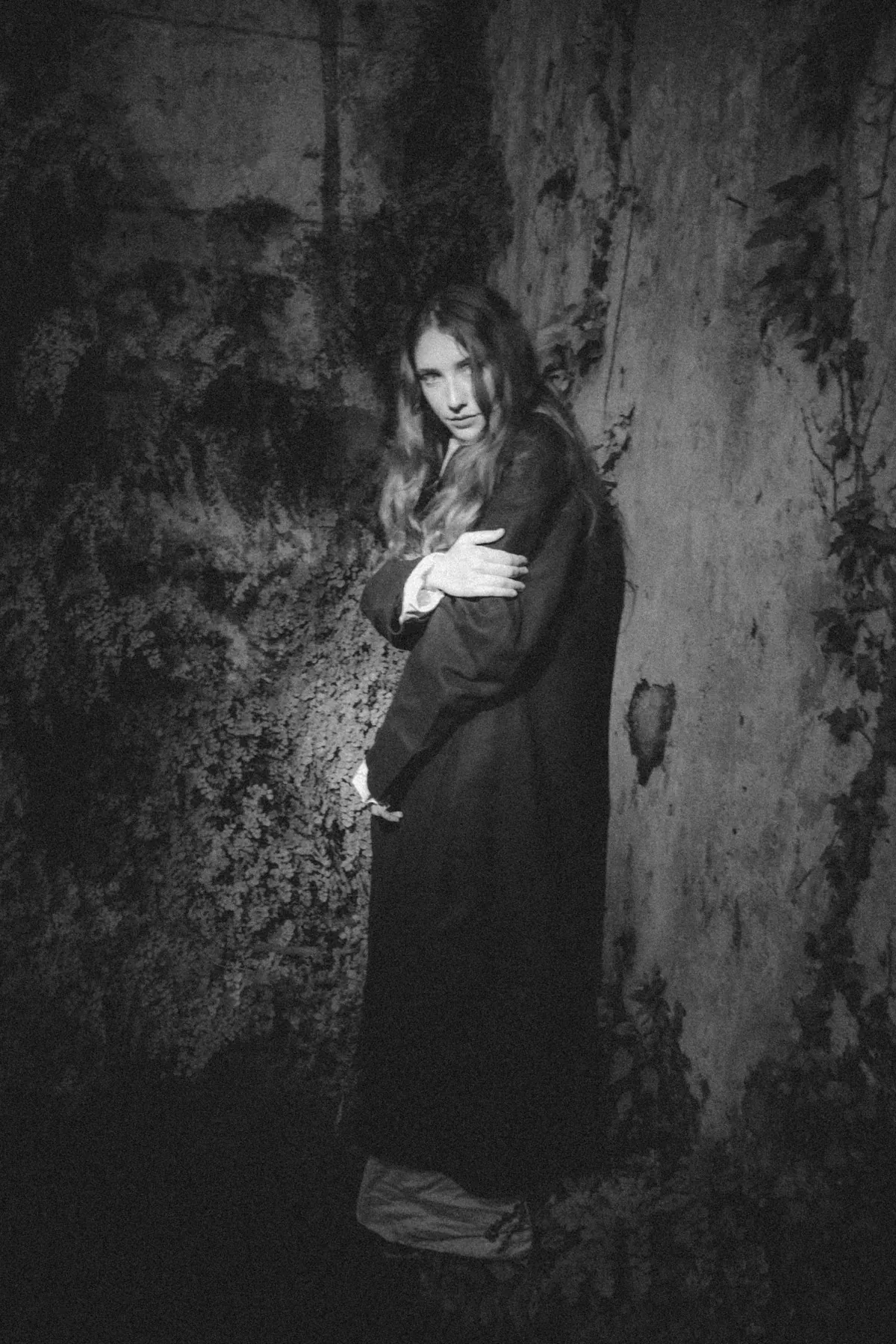
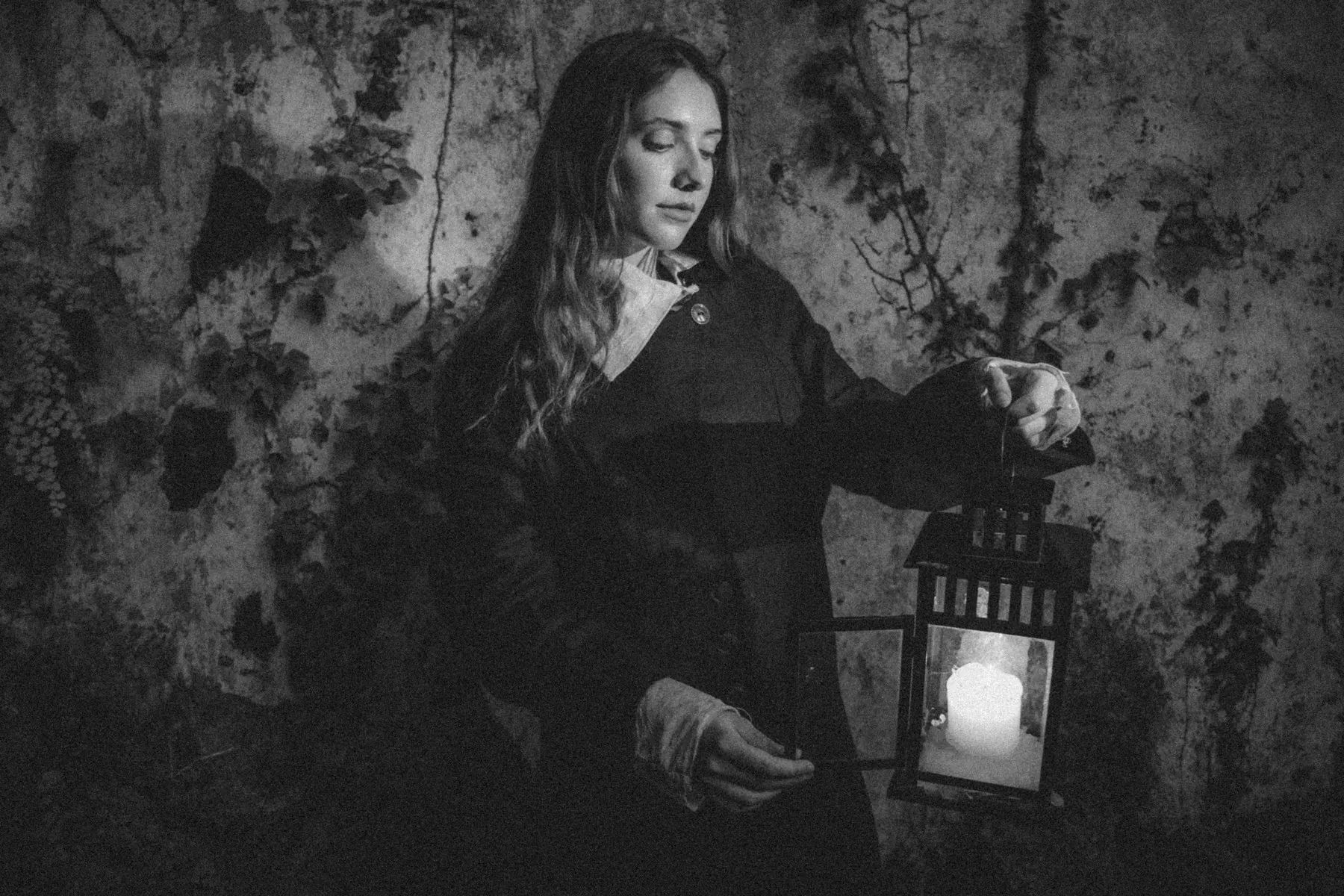
* Post Mortem - Curatella TommasoGraduate Collection 2025-2026
/
Post Mortem starts from the recipe as a design device: a set of elements that defines how the collection is built. The research begins in the archive, with the fashion avant-garde, and in particular with the season that followed the wave of hyper-minimalism.
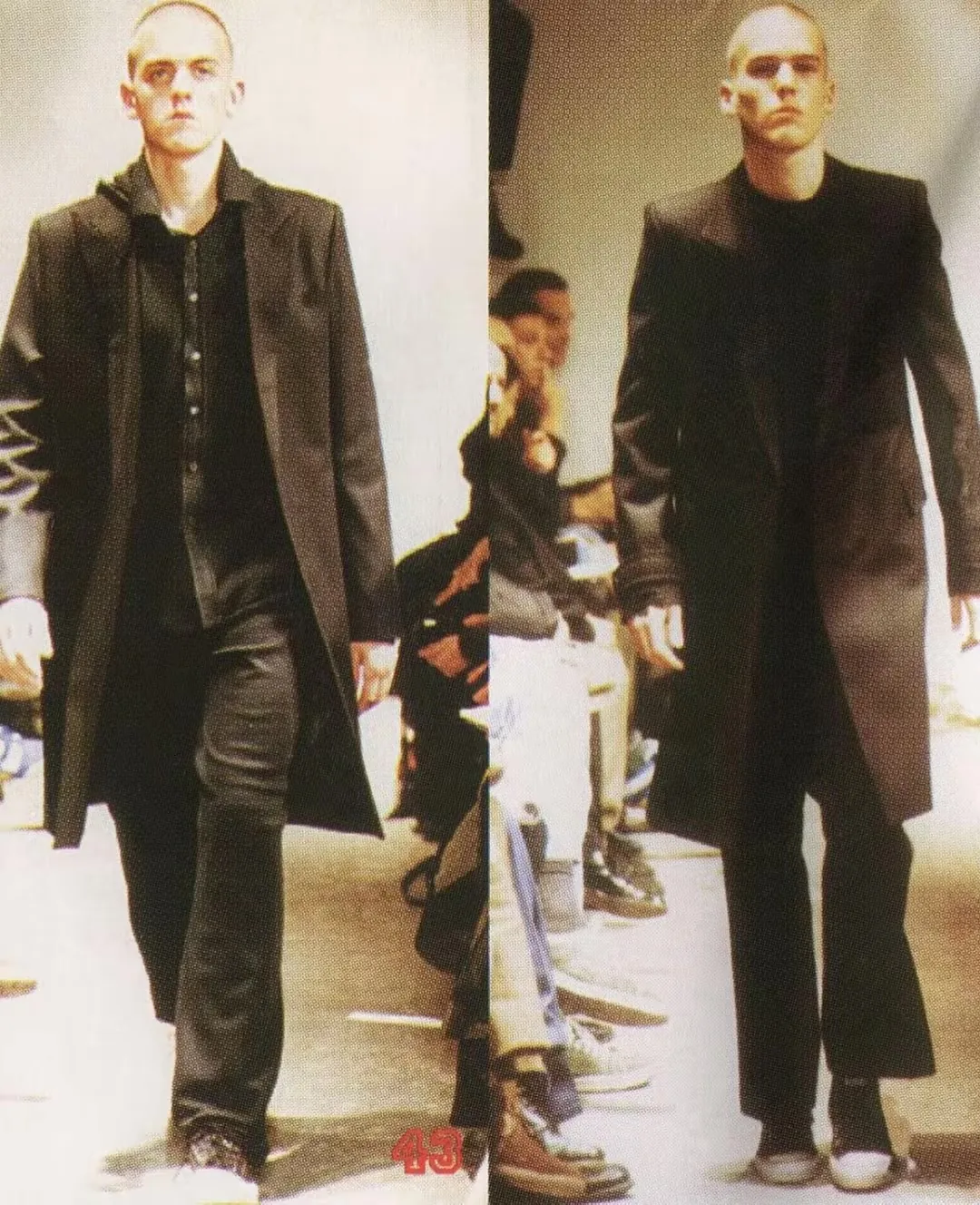
Its references are Paul Harnden, Carol Christian Poell and Maurizio Altieri’s Carpe Diem. What matters is less their aesthetic language than their way of working: removed from the logic of trends, closer to the ritual construction of a garment.
From this imagery the collection reworks historical costume. Shapes, structures and proportions from a specific period are taken apart and carried onto a contemporary body — through pattern cutting, the study of volume and the choice of materials, alongside close research into fashion archives from the 1990s and early 2000s.
The premise is that, over time, a garment does not need to change its form to take on a new identity. Some original structures remain; what shifts is their meaning, the way they are read, and the relationship they build with the body.
Costume stops being static, nostalgic or merely anachronistic, and becomes an open system, available to be reinterpreted again and again.
The collection brings together historical costume, craft and experimental pattern making. It does not try to reproduce an archive aesthetic; it asks how certain structures can still exist today, with a new function, a new method and a new way of meeting the contemporary body.
Some accessories push the costume towards a deliberately ambiguous, almost parodic register. By exaggerating its historical codes, the costume loses its celebratory role and becomes an object of critical reinterpretation and design.
Post Mortem parte dalla ricetta intesa come dispositivo progettuale: un insieme di elementi che definisce il metodo di costruzione della collezione. La ricerca nasce in archivio, dall’avanguardia della moda, e in particolare dalla stagione che segue l’ondata dell’iper-minimalismo.
I riferimenti sono Paul Harnden, Carol Christian Poell e Maurizio Altieri con Carpe Diem. Più del loro linguaggio estetico conta il loro modo di lavorare: lontano dalla logica della tendenza, vicino alla costruzione rituale del capo.
Da questo immaginario la collezione rielabora il costume. Forme, strutture e proporzioni di un preciso periodo storico vengono scomposte e portate su un corpo contemporaneo — attraverso la modellistica, lo studio dei volumi e la scelta dei materiali, insieme a una ricerca approfondita sugli archivi di moda tra gli anni Novanta e i primi Duemila.
L’ipotesi è che, con il passare del tempo, un abito non debba necessariamente cambiare forma per acquisire una nuova identità. Alcune strutture originarie restano; a cambiare sono il loro significato, il modo in cui vengono percepite e la relazione che instaurano con il corpo.
Il costume smette così di essere un elemento statico, nostalgico o puramente anacronistico, e diventa un sistema aperto, continuamente reinterpretabile.
La collezione mette in relazione costume storico, processo artigianale e sperimentazione modellistica. Non cerca di riprodurre un’estetica d’archivio, ma di capire come certe strutture possano esistere ancora oggi, cambiando funzione, metodo progettuale e modo di relazionarsi con il corpo contemporaneo.
Alcuni accessori spingono il costume verso una dimensione volutamente ambigua, quasi parodistica. Esasperandone i codici storici, il costume perde la sua funzione celebrativa e diventa oggetto di reinterpretazione critica e di design.
* Carol Christian Poell - S/S 2004Mainstream Downstream
/
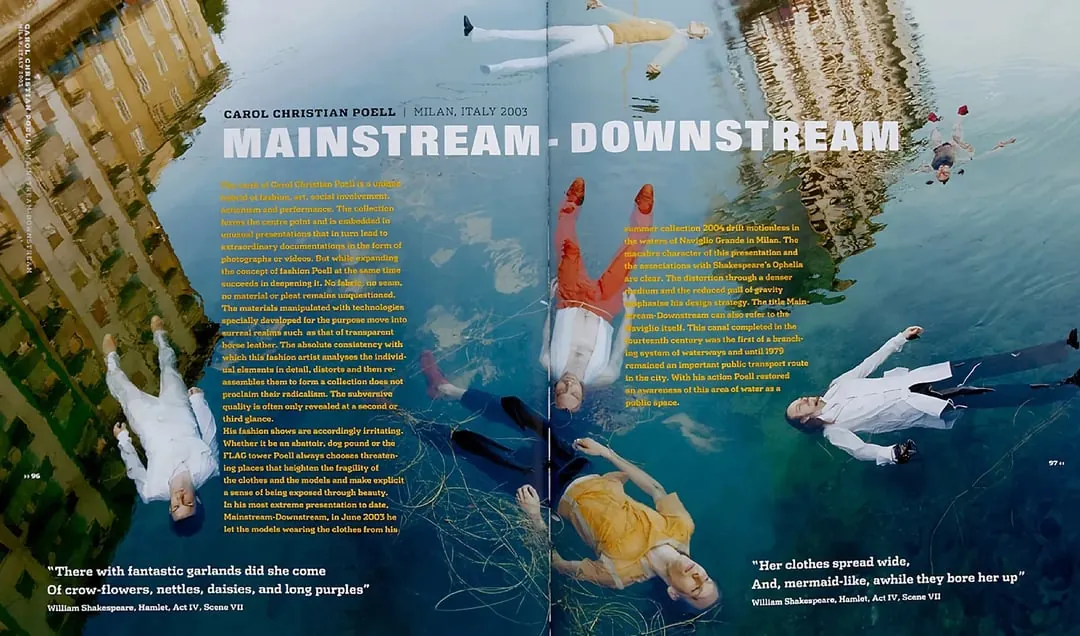
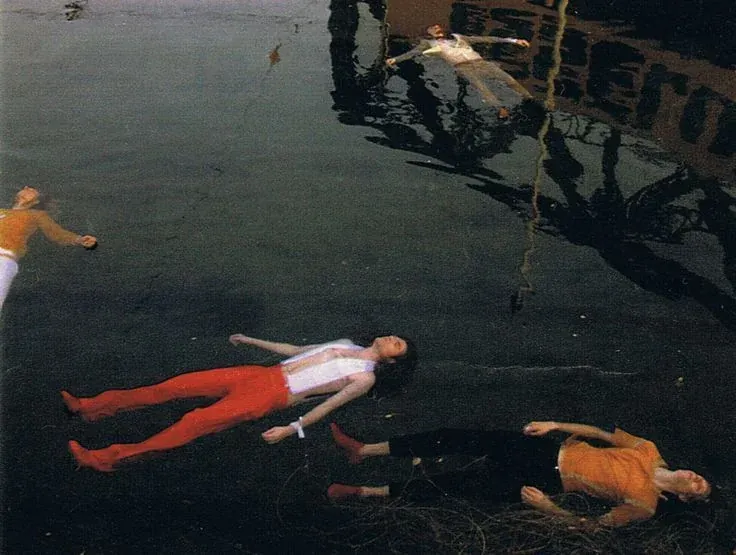
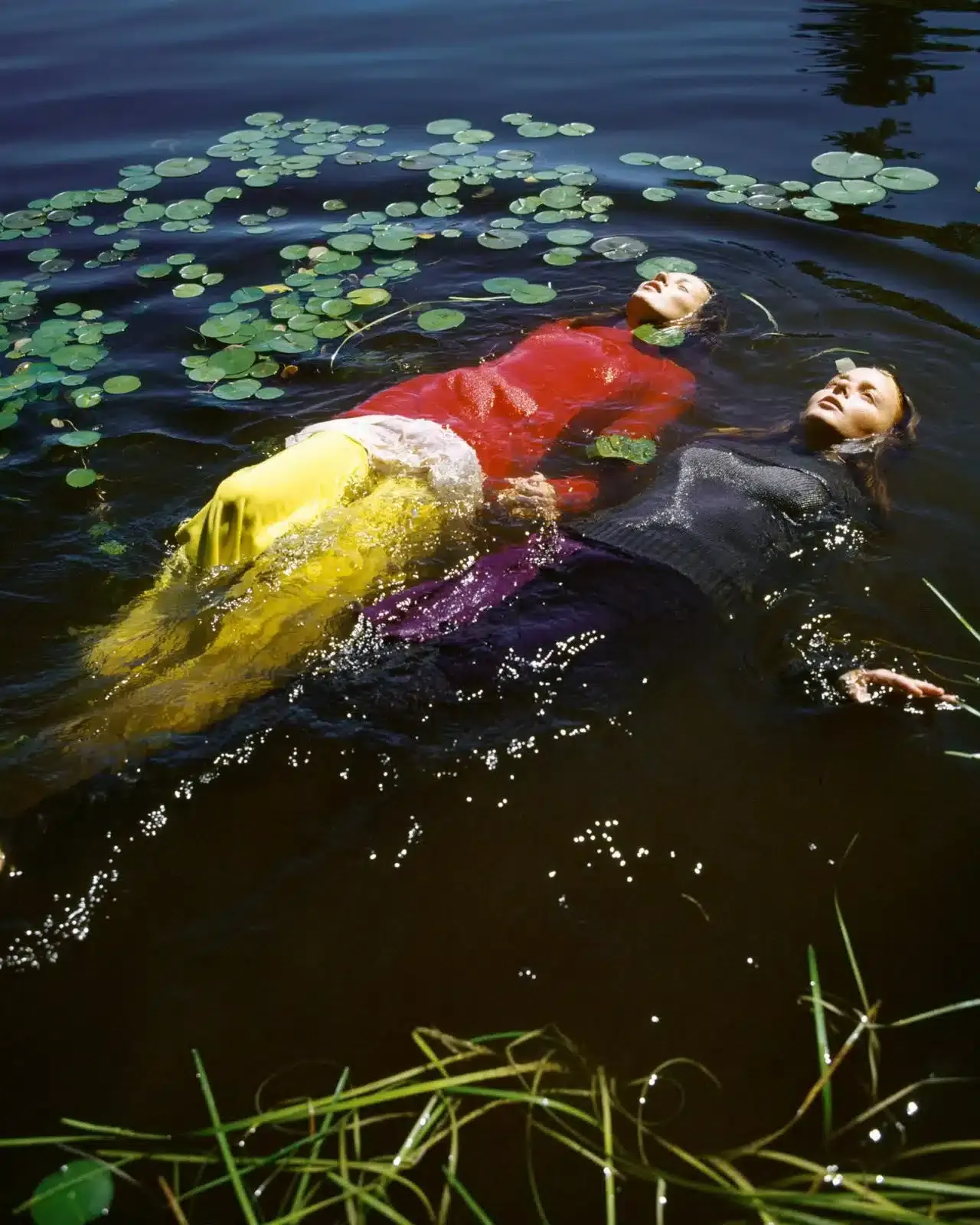
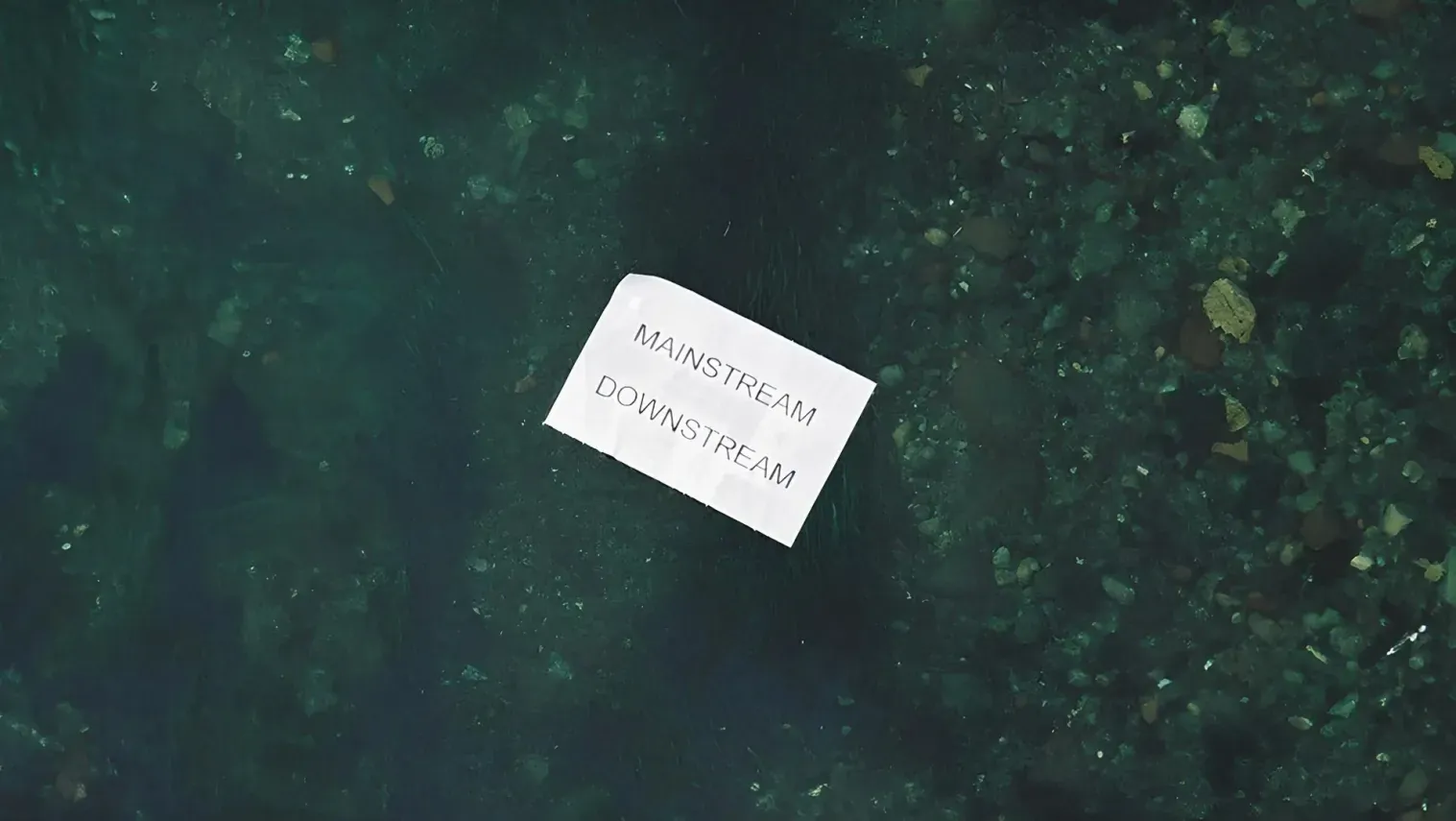
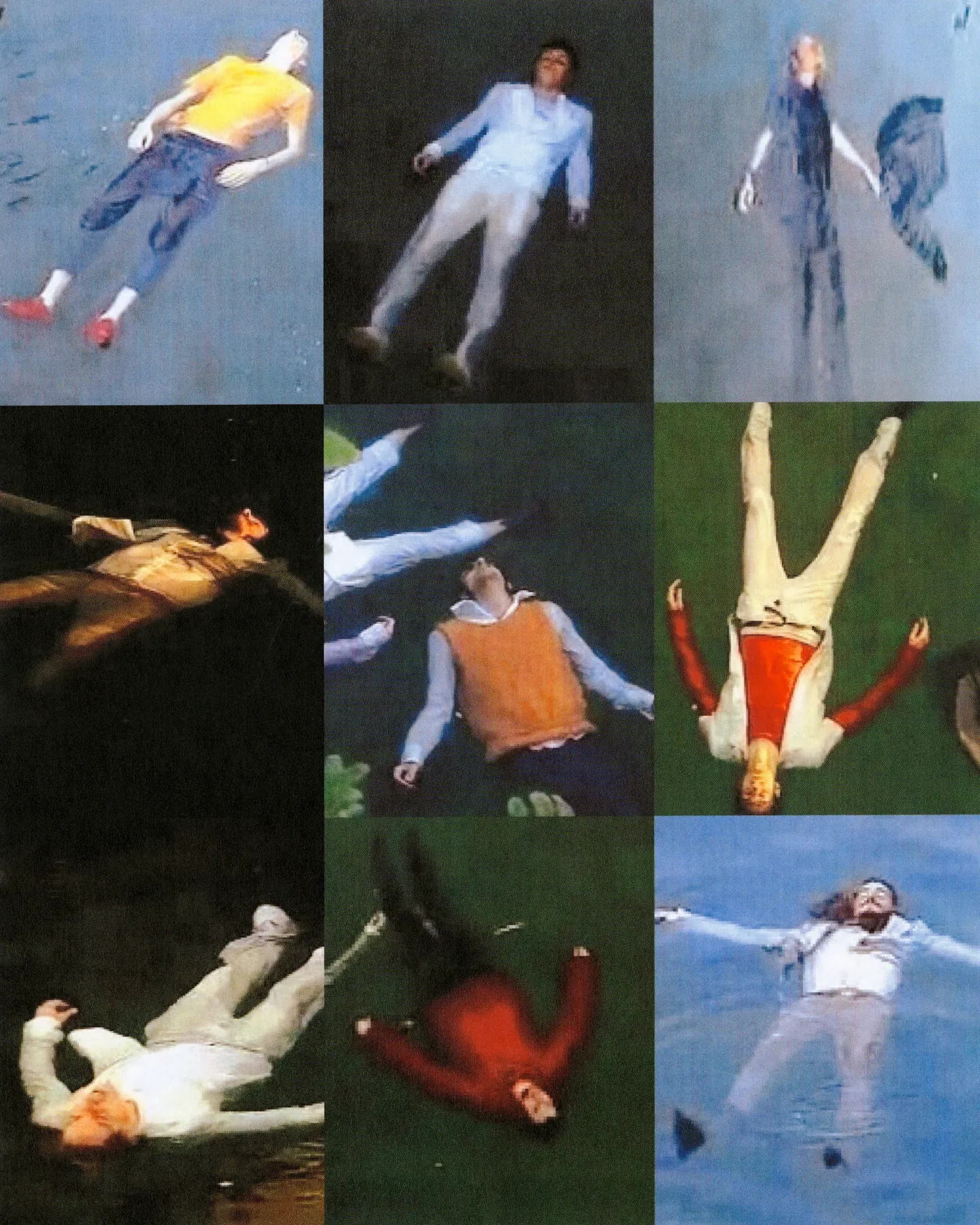
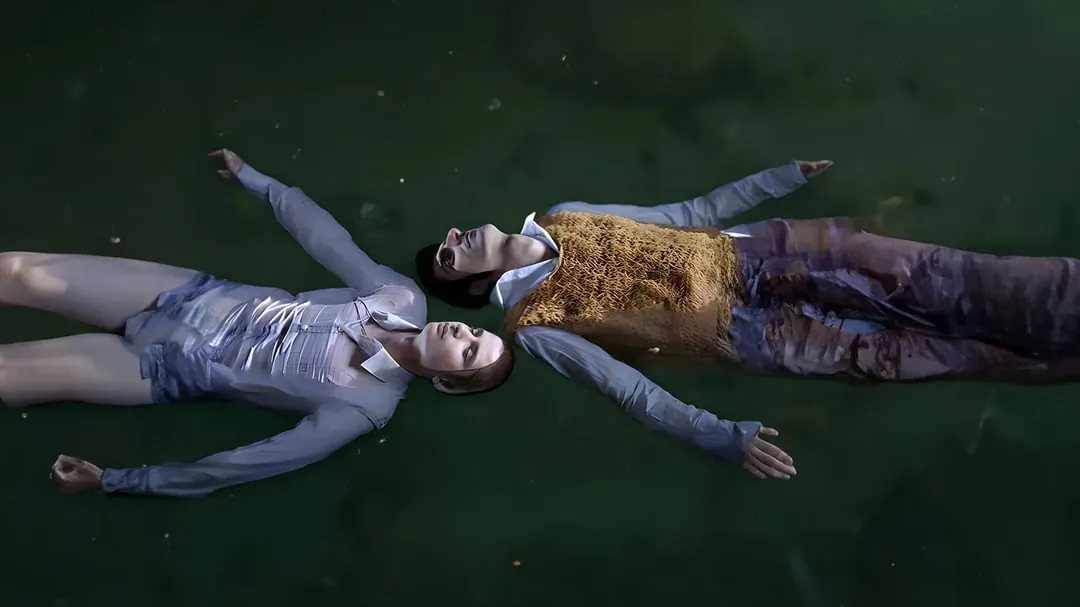
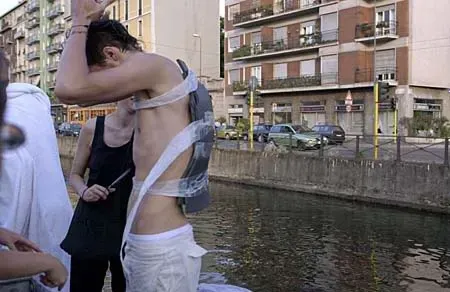
In June 2003 Carol Christian Poell presented his Spring/Summer 2004 menswear collection, “Mainstream Downstream”, in the Naviglio Grande, the canal that runs through south-west Milan. There was no runway. Guests gathered on the bank and looked toward the side streets, expecting the models to arrive from there. Instead, a body appeared far up the canal, floating and completely still. Then another followed. This was the show.
The setting continued a line of presentations built around the body and its end. For Spring/Summer 2001, “Best Before”, models lay on stretchers in trousers whose waists rose so high they read as body bags, in a room that smelled of a morgue. For Autumn/Winter 2001, “Public Freedom”, they were locked in the cages of a Milan municipal dog pound. Poell came from a family of leather tanners and trained as a tailor. He treated the garment as part of the body rather than something placed on it.
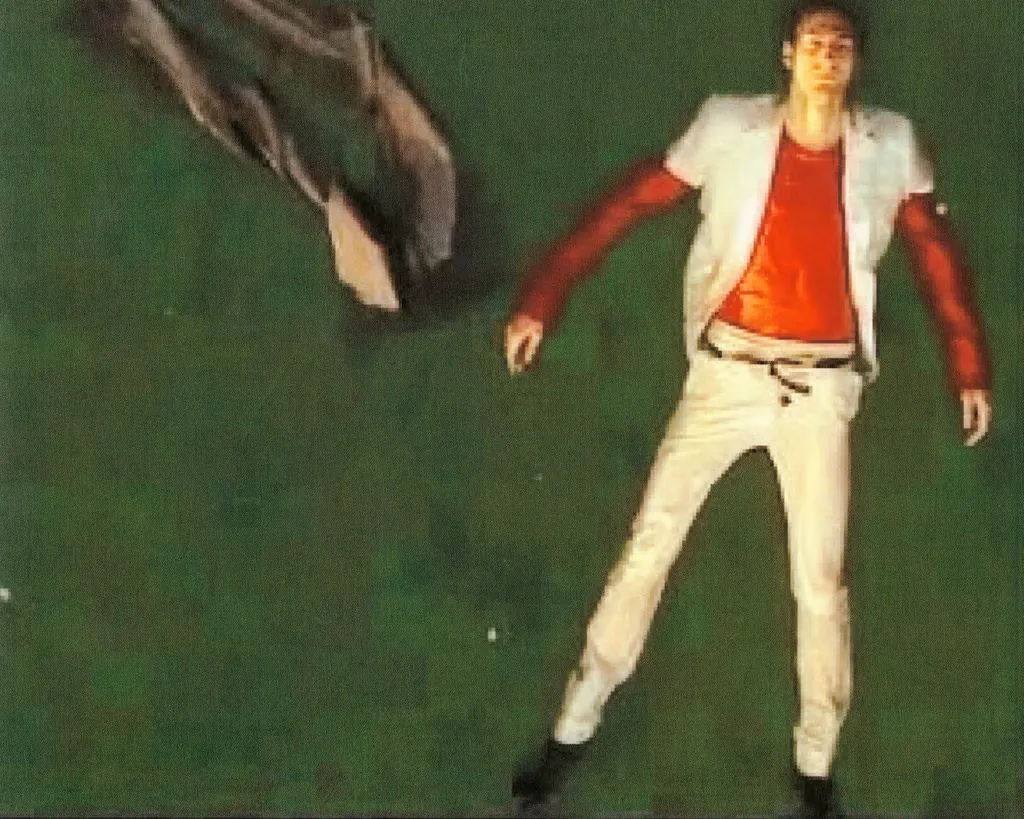
On the Naviglio the models, all men, lay on inflatable floats with their arms and legs stretched out, in the pose of Leonardo da Vinci’s Vitruvian Man. Leonardo had worked on Milan’s canals. The bodies drifted past a small crowd of invited guests and passers-by. The water was dirty, and in the June heat the smell was strong. Several witnesses later said that at first they could not tell whether the men were alive.
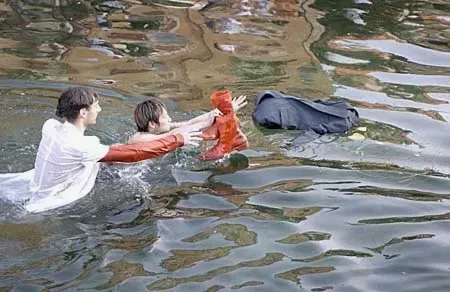
The collection combined leather soaked in red dye with white tailoring. In the canal it took in whatever the water carried. After the show Poell said: “This collection and this presentation are my take on the state of fashion now.”
About a day later the pieces worn in the water hung in his Milan showroom, where buyers came to place orders. They were still drying. The leather was heavy and warped and the cotton was creased. Karlo Steel, founder of the New York store Atelier, asked to order them in that state. He was told no: the garments would not be delivered pre-soaked.
The show came at a time when the independent avant-garde of the 1990s was being absorbed by larger groups. In 1999 Prada took a 51% stake in Helmut Lang. In 2002 Renzo Rosso’s Only The Brave, the holding company behind Diesel, acquired a majority of Maison Martin Margiela. Poell did not sell. Eugene Rabkin, founder of StyleZeitgeist, described him as someone “making a stand against mainstream fashion, against the corporate erosion of creativity”.
“Mainstream Downstream” is one of only a handful of presentations Poell staged around the turn of the millennium, and it remains his best-known work. The collection went into production as clean, finished garments. The version marked by the canal existed only in those first days in Milan, and in the photographs of the bodies on the water.
Nel giugno 2003 Carol Christian Poell ha presentato la collezione uomo Primavera/Estate 2004, “Mainstream Downstream”, nel Naviglio Grande, il canale che attraversa il sud-ovest di Milano. Non c’era una passerella. Gli ospiti si erano radunati sulla sponda e guardavano verso le vie laterali, aspettandosi che i modelli arrivassero da lì. Invece in fondo al canale è comparso un corpo che galleggiava, completamente immobile. Poi ne è arrivato un altro. Era la sfilata.
Il luogo proseguiva una serie di presentazioni costruite attorno al corpo e alla sua fine. Per la Primavera/Estate 2001, “Best Before”, i modelli erano distesi su barelle e indossavano pantaloni con la vita così alta da sembrare sacchi per cadaveri, in una sala che odorava di obitorio. Per l’Autunno/Inverno 2001, “Public Freedom”, erano stati chiusi nelle gabbie del canile municipale di Milano. Poell veniva da una famiglia di conciatori e si era formato come sarto. Trattava il capo come parte del corpo, non come qualcosa che gli veniva messo sopra.
Sul Naviglio i modelli, tutti uomini, erano distesi su galleggianti gonfiabili con braccia e gambe aperte, nella posa dell’Uomo vitruviano di Leonardo da Vinci. Leonardo aveva lavorato sui canali di Milano. I corpi sono scivolati davanti a un piccolo gruppo di invitati e passanti. L’acqua era sporca e, nel caldo di giugno, l’odore era forte. Diversi testimoni hanno poi raccontato di non aver capito subito se gli uomini fossero vivi.
La collezione univa pelle imbevuta di tintura rossa e sartoria bianca. Nel canale ha assorbito tutto ciò che l’acqua trasportava. Dopo la sfilata Poell ha dichiarato: “This collection and this presentation are my take on the state of fashion now”.
Circa un giorno dopo i capi indossati in acqua erano appesi nel suo showroom milanese, dove i buyer passavano a fare gli ordini. Stavano ancora asciugando. La pelle era pesante e deformata e il cotone era stropicciato. Karlo Steel, fondatore del negozio newyorkese Atelier, ha chiesto di ordinarli in quello stato. La risposta è stata no: i capi non sarebbero stati consegnati già bagnati.
La sfilata è arrivata in un momento in cui l’avanguardia indipendente degli anni Novanta veniva assorbita da gruppi più grandi. Nel 1999 Prada aveva acquisito il 51% di Helmut Lang. Nel 2002 Only The Brave, la holding di Renzo Rosso che controlla Diesel, aveva rilevato la maggioranza di Maison Martin Margiela. Poell non ha venduto. Eugene Rabkin, fondatore di StyleZeitgeist, lo ha descritto come qualcuno che prendeva posizione “against mainstream fashion, against the corporate erosion of creativity”.
“Mainstream Downstream” è una delle poche presentazioni che Poell ha messo in scena a cavallo del millennio e resta il suo lavoro più conosciuto. La collezione è andata in produzione come capi puliti e finiti. La versione segnata dal canale è esistita solo in quei primi giorni a Milano e nelle fotografie dei corpi sull’acqua.
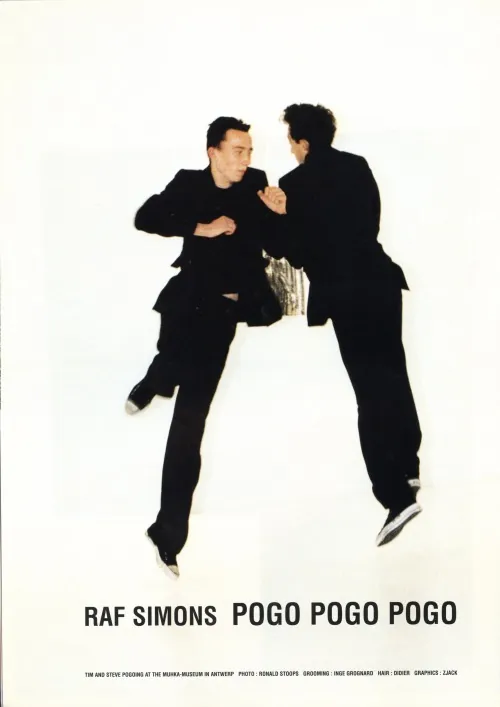
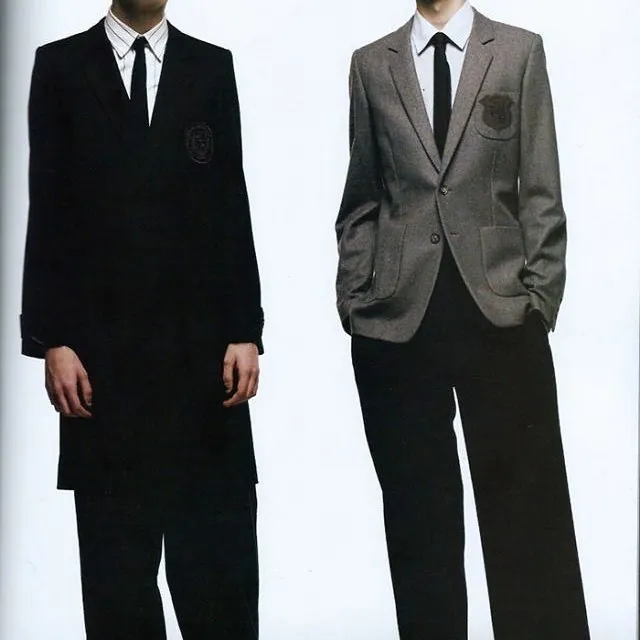
Raf Simons launched his label with autumn/winter 1995, and for four seasons he showed it without a runway. Each collection was presented through large photographs and short videos in showrooms in Milan and Paris, always built around groups of teenage boys. The very first one already drew on English school uniforms.
The runway arrived on Sunday 26 January 1997, in Paris, with autumn/winter 1997 — the collection Simons himself considers his real debut. The show was held in a disused discotheque filled with rickety old chairs, where guests such as Suzy Menkes had to perch as best they could. It was so overcrowded that it is remembered as much for the crowd as for the clothes.
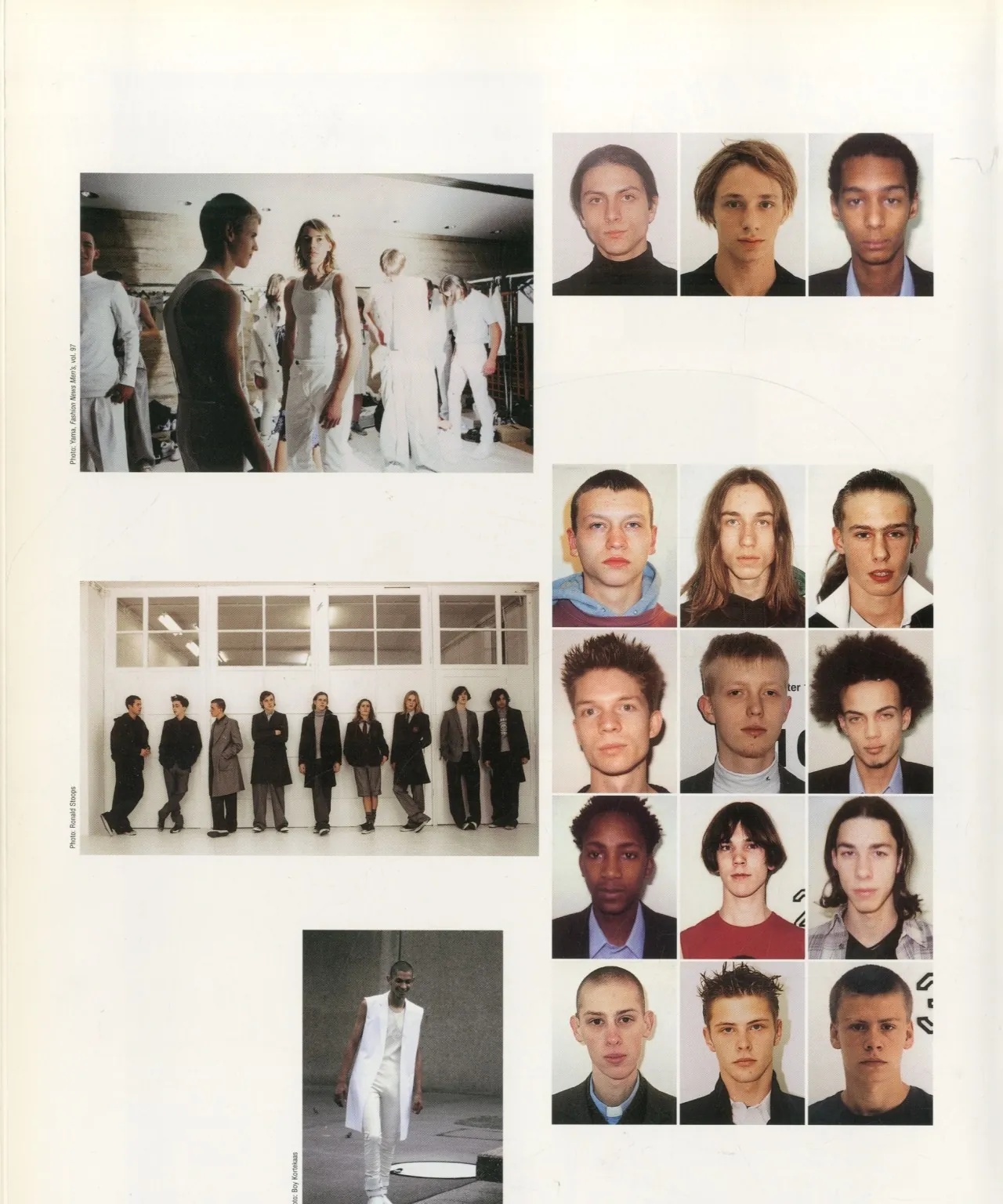
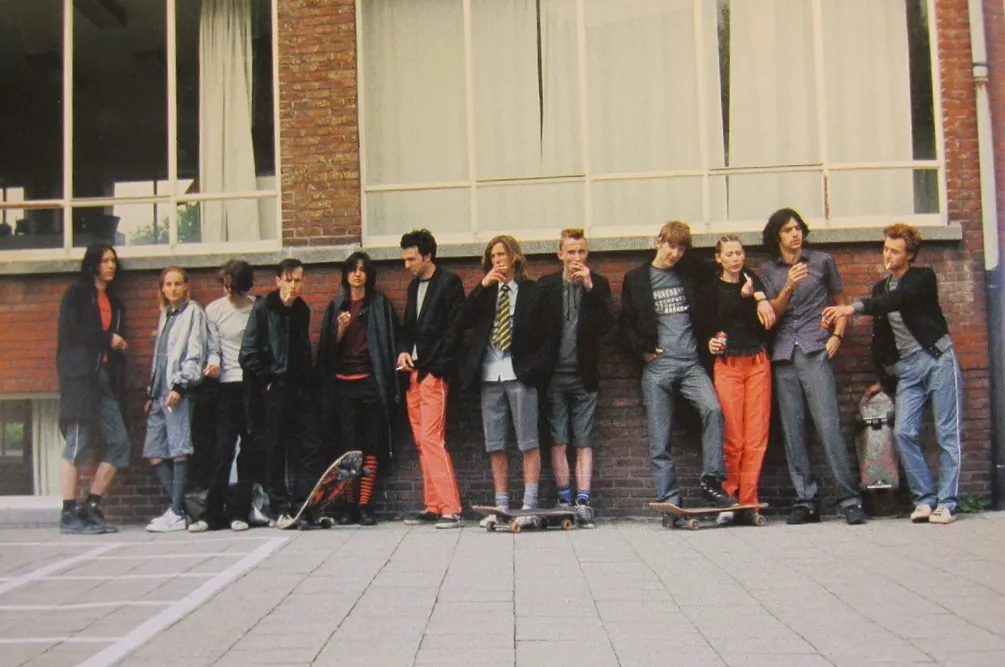
There were no professional models. Simons cast boys from the street, and with them he proposed not only a new way for men to dress, but a new kind of fashion show.
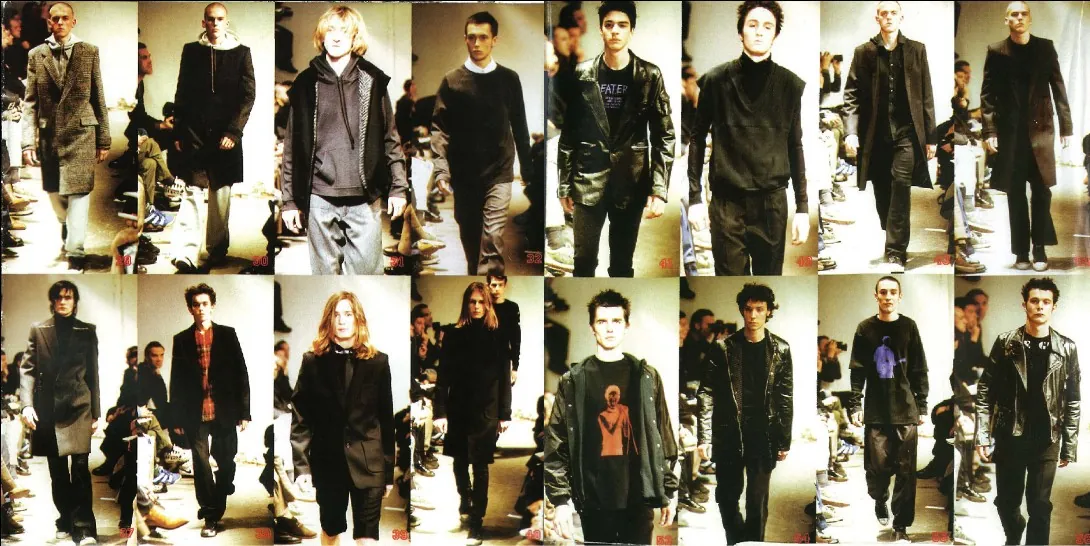
The collection was never formally titled: it is known as “School Punk”. Its starting point was an exchange between American university students and English schoolboys on a British campus, set in the passage from punk to new wave. In Simons’ own notes, the collection did not radiate a 1997 atmosphere.
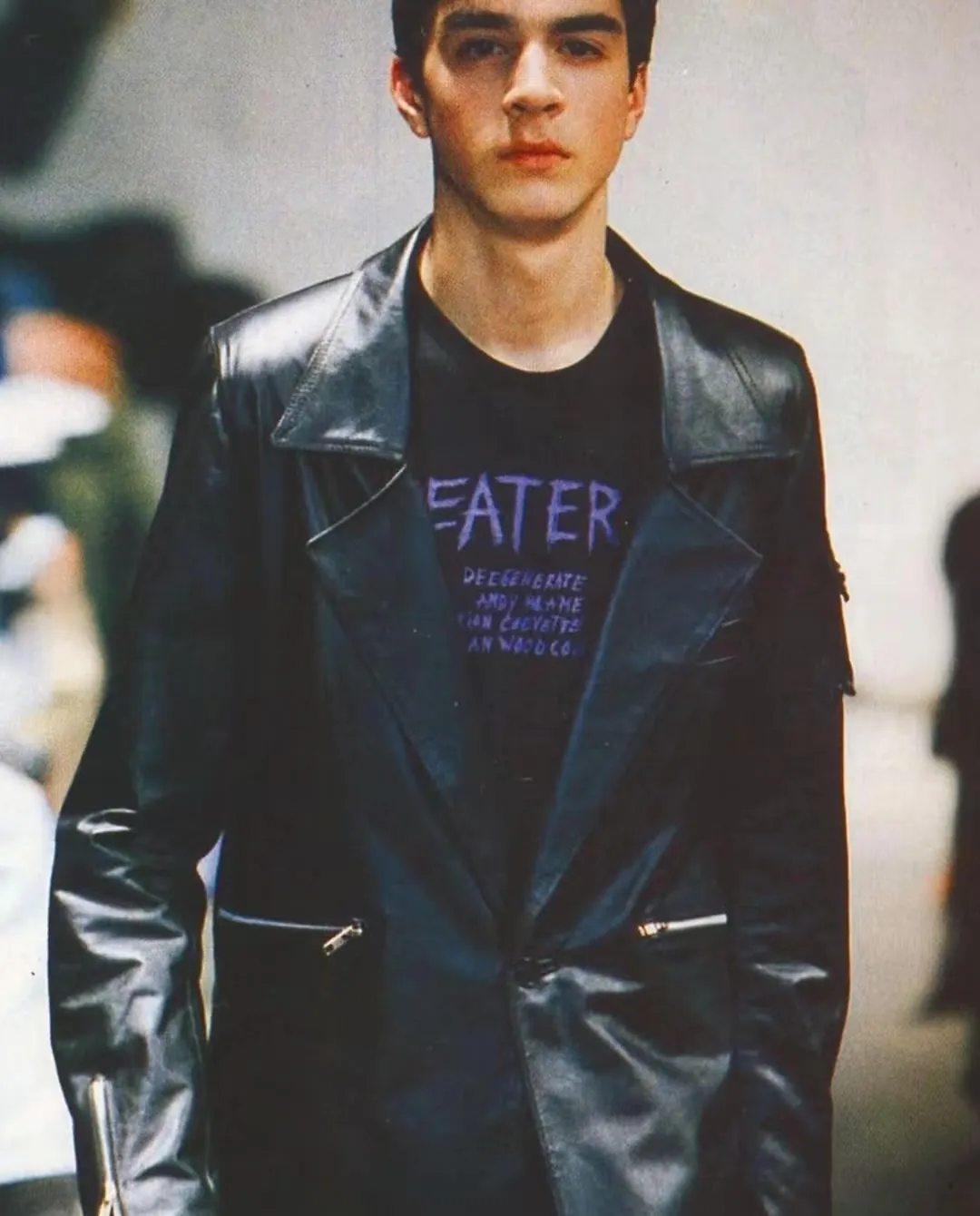
The school uniform is taken apart and mixed with youth culture. Tailored wool shorts are worn with knee socks, blazers carry embroidered crests, a sweatshirt reads “Youngsville University”. Next to them: punk T-shirts, loose-knit mohair sweaters and Converse Chuck Taylors customised by hand. One T-shirt carries the name of Eater, the London punk band formed by teenagers in 1976. Classic fabrics meet cheap, trashy pieces.
The leather perfecto, the jacket of punk, comes from Simons’ own adolescence. Here it becomes his interpretation of a youth symbol.
The collection was an immediate success. It took Simons, already a favourite with retailers, onto the international stage, and brought to the Paris runways one of the first examples of a youth-centred, subcultural menswear — the approach that would define the following decade.
Raf Simons lancia il suo marchio con l’autunno/inverno 1995 e per quattro stagioni lo presenta senza sfilata. Ogni collezione viene mostrata con grandi fotografie e brevi video, negli showroom di Milano e Parigi, sempre attorno a gruppi di ragazzi adolescenti. Già la prima guardava alle uniformi delle scuole inglesi.
La passerella arriva domenica 26 gennaio 1997 a Parigi, con l’autunno/inverno 1997 — la collezione che Simons stesso considera il suo vero debutto. La sfilata si tiene in una discoteca dismessa piena di vecchie sedie traballanti, su cui ospiti come Suzy Menkes devono sistemarsi come possono. È così affollata che viene ricordata tanto per la ressa quanto per i vestiti.
Non ci sono modelli professionisti. Simons sceglie ragazzi presi dalla strada e, con loro, propone non solo un nuovo modo di vestire per l’uomo, ma anche un nuovo tipo di sfilata.
La collezione non ha mai avuto un titolo ufficiale: è conosciuta come “School Punk”. Il punto di partenza è uno scambio tra studenti universitari americani e scolari inglesi in un campus britannico, nel passaggio dal punk alla new wave. Nelle note di Simons, la collezione non doveva avere l’atmosfera del 1997.
L’uniforme scolastica viene smontata e mescolata alla cultura giovanile. Shorts di lana sartoriali con i calzettoni al ginocchio, blazer con lo stemma ricamato, una felpa con la scritta “Youngsville University”. Accanto: t-shirt punk, maglioni di mohair a maglia larga e Converse Chuck Taylor personalizzate a mano. Una t-shirt porta il nome degli Eater, la band punk londinese formata da ragazzini nel 1976. Tessuti classici incontrano pezzi economici e trash.
Il perfecto in pelle, la giacca del punk, viene dall’adolescenza di Simons. Qui diventa la sua interpretazione di un simbolo giovanile.
La collezione è un successo immediato. Porta Simons, già amato dai buyer, sulla scena internazionale, e fa entrare sulle passerelle di Parigi uno dei primi esempi di moda maschile giovanile e sottoculturale — l’approccio che definirà il decennio successivo.
From the mid-1990s Helmut Lang advertised his label without showing it. The pages he bought carried a name, a few lines of text, an object or a body seen from an unexpected angle — almost never a look from the collection.
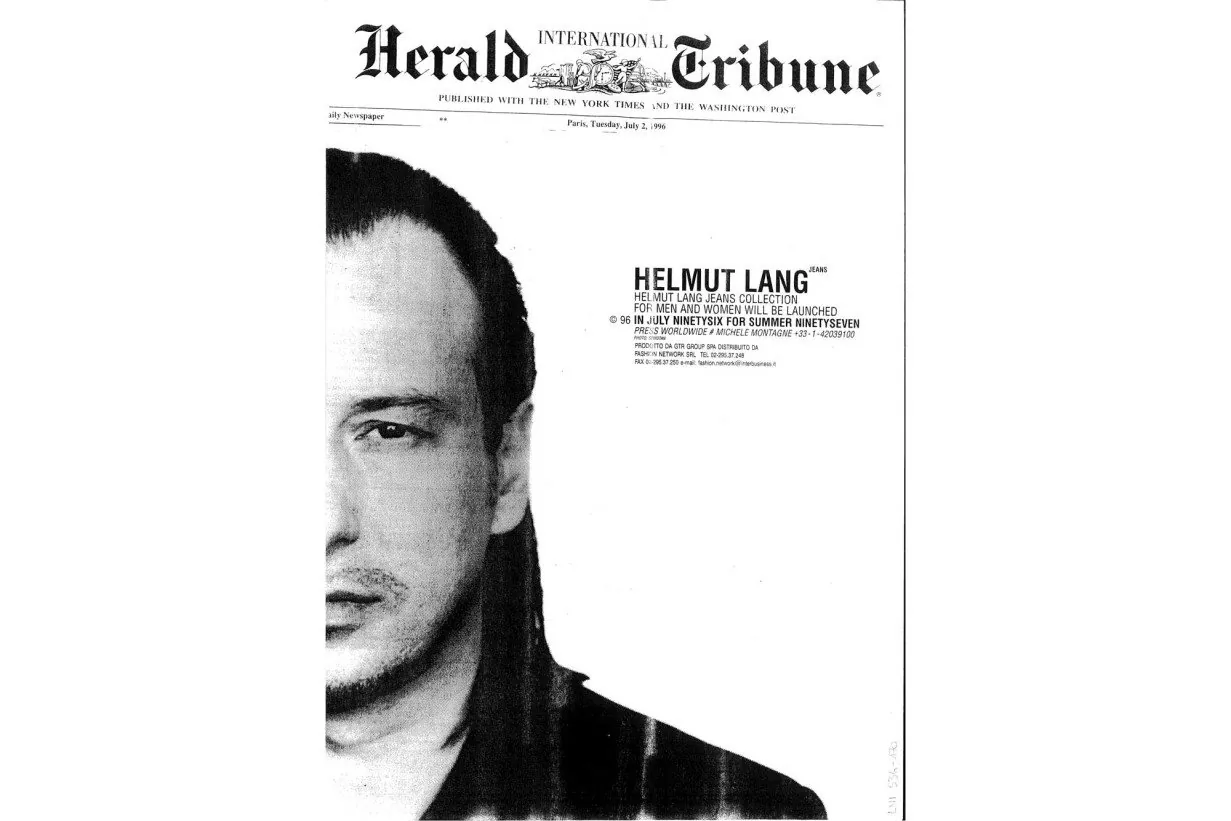
The approach is already complete in July 1996: a wraparound on the International Herald Tribune announcing Helmut Lang Jeans [9]. A cropped portrait by Elfie Semotan, the name, and a few lines of type stating that the collection would be launched for summer 1997.
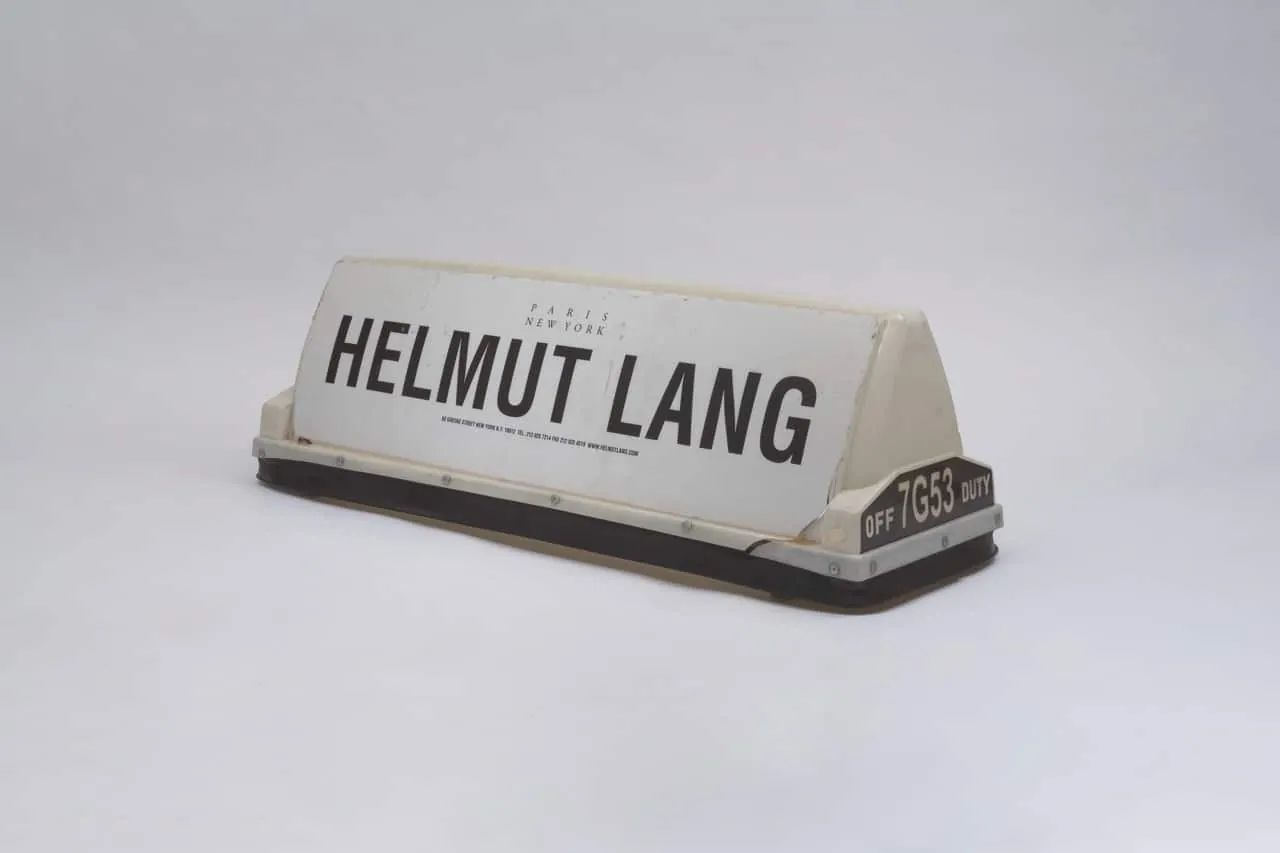
In 1998, the year he presented a collection online, Lang put his name on the roofs of New York: more than a thousand taxi-top ads pointing to the new website [6]. No image — only HELMUT LANG, Paris New York, the Greene Street address and www.helmutlang.com.
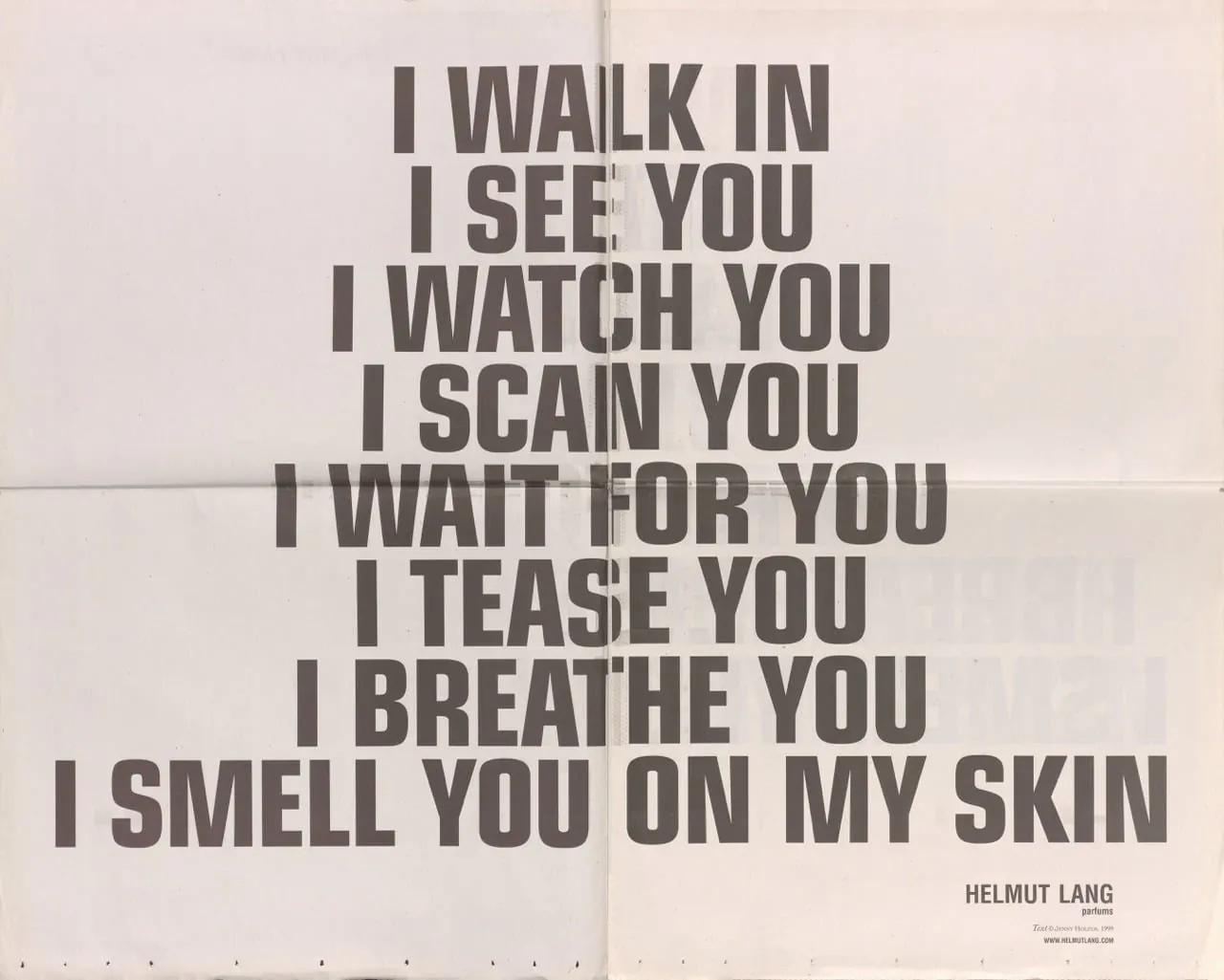
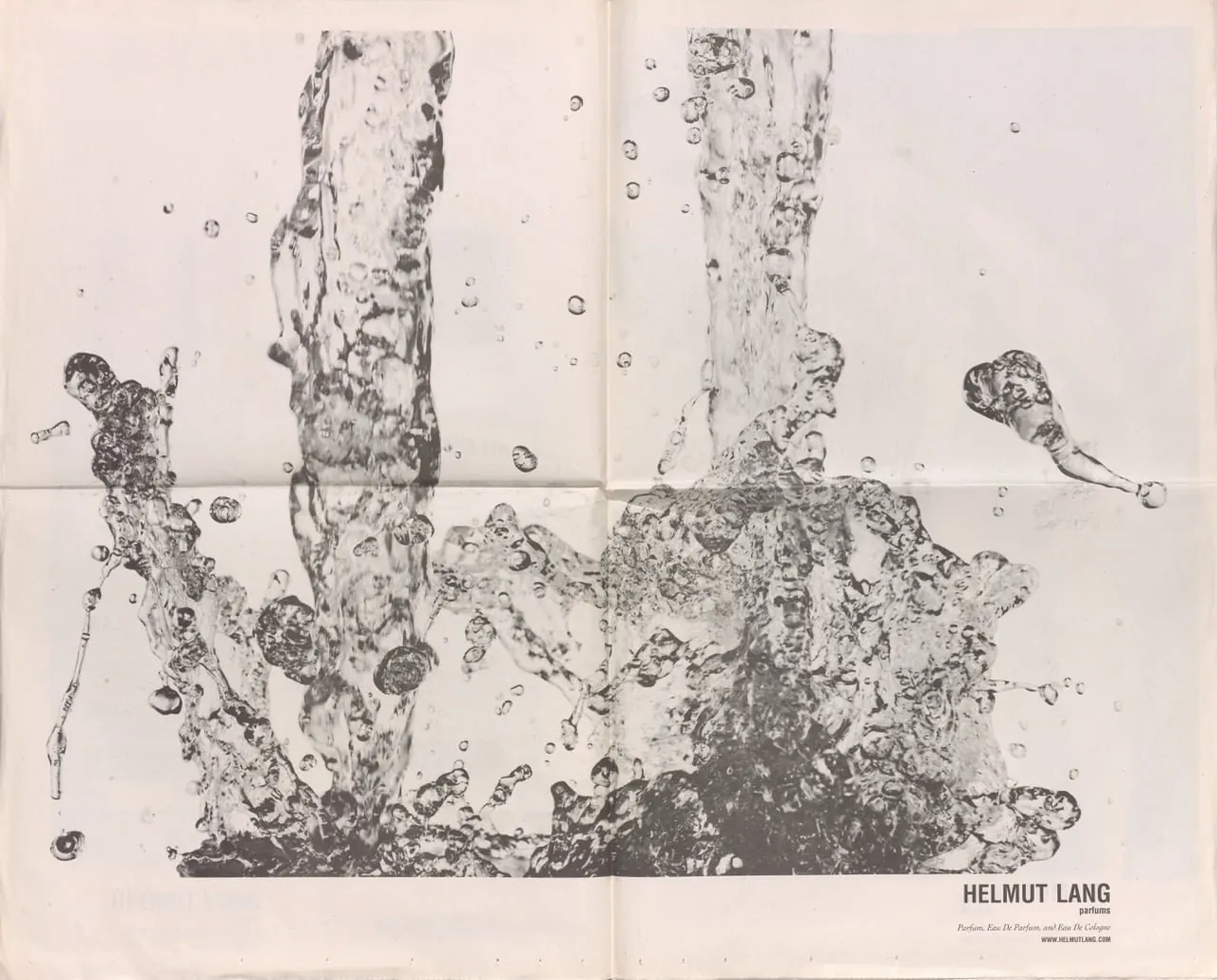
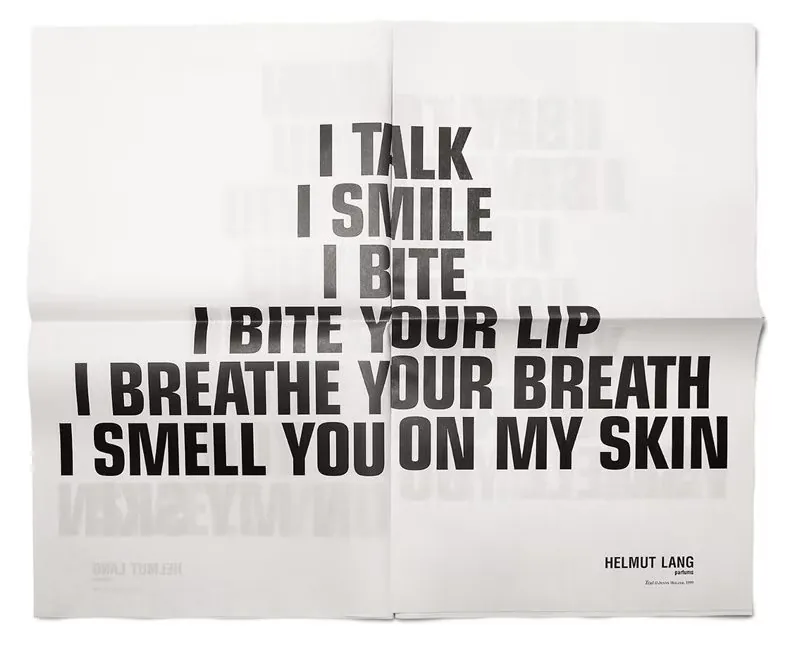
Helmut Lang Parfums were introduced through Jenny Holzer’s words [10]. Newspaper supplements, among them one inserted in The New York Times in 2001, printed only her text in heavy black type — “I walk in, I see you … I smell you on my skin” — with no bottle and no model [1]. Others showed only water, photographed by Larry L. Miller [7].
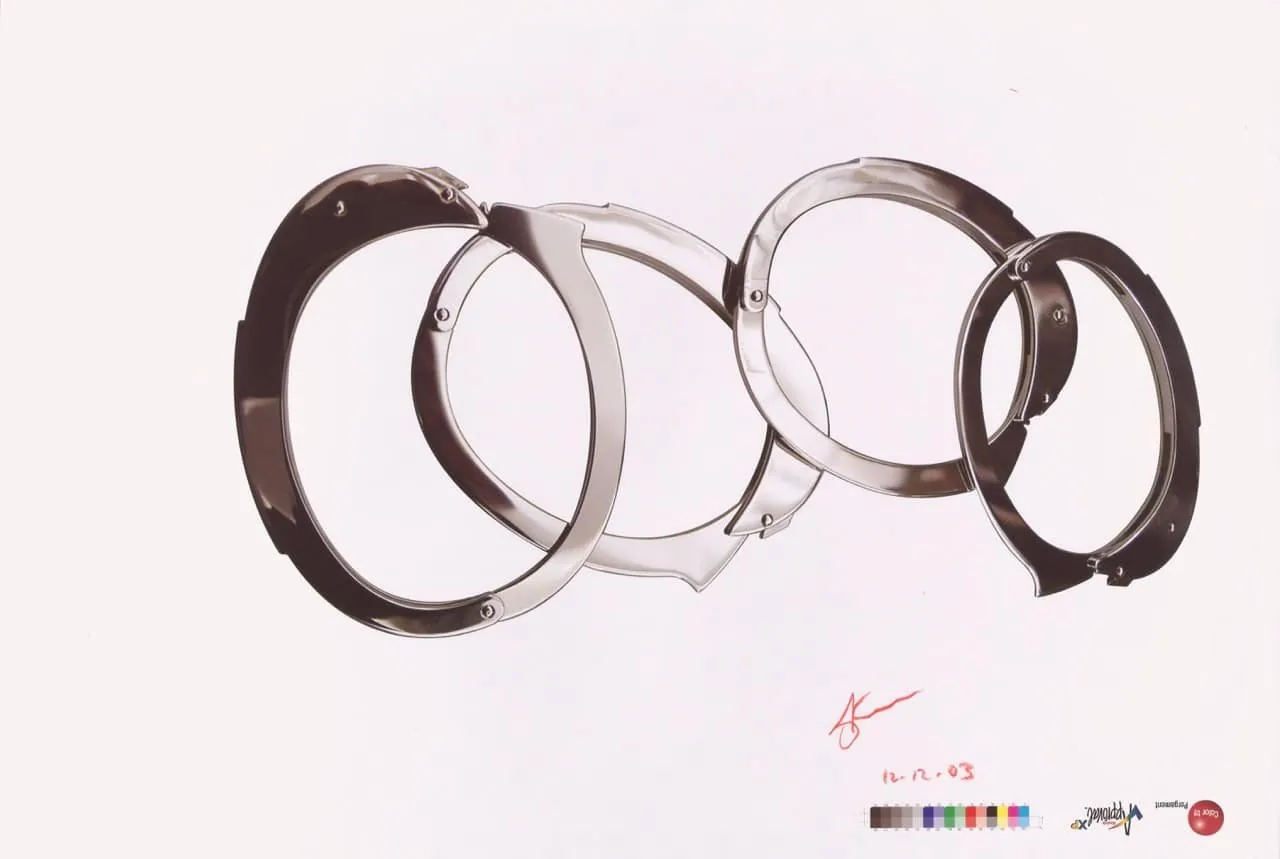
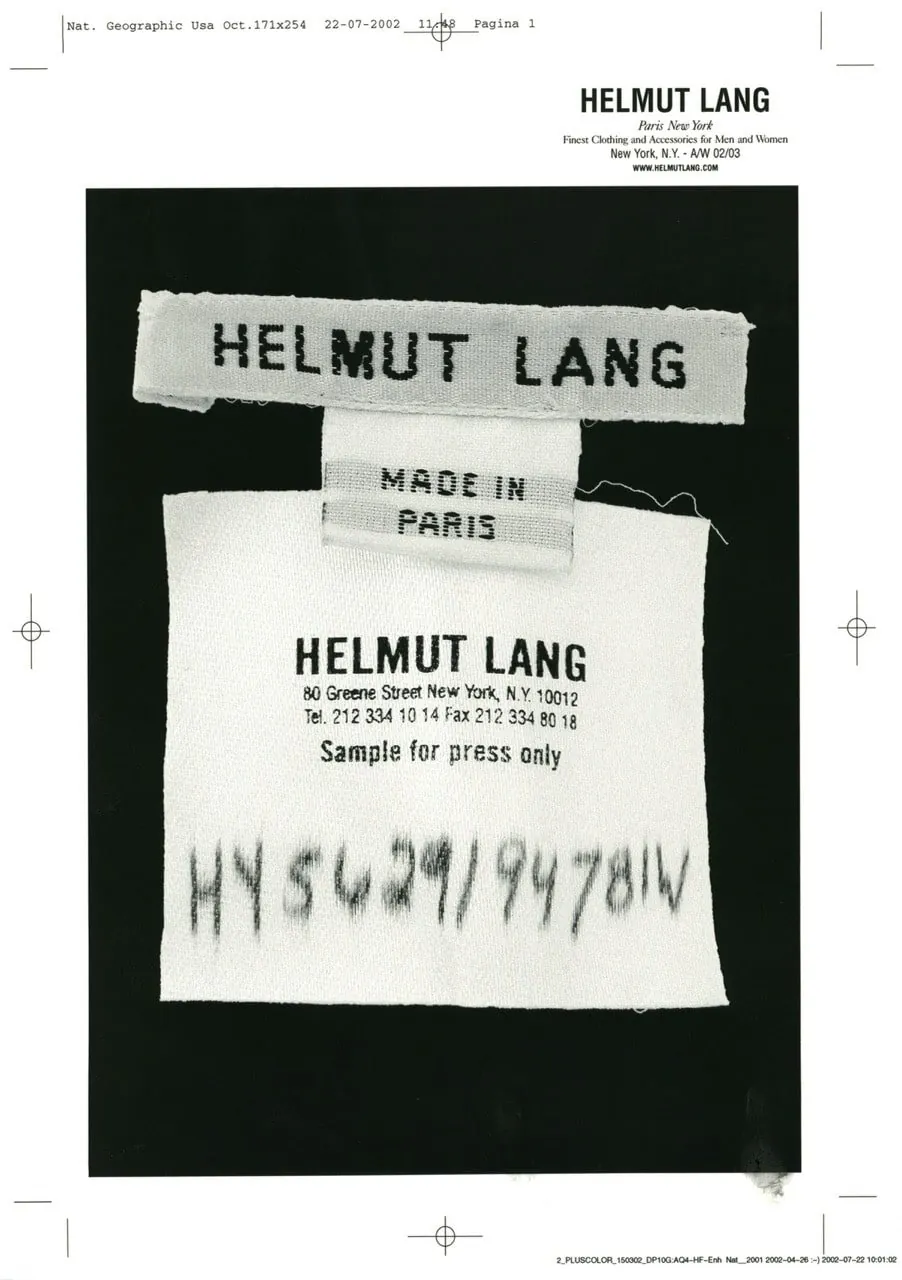
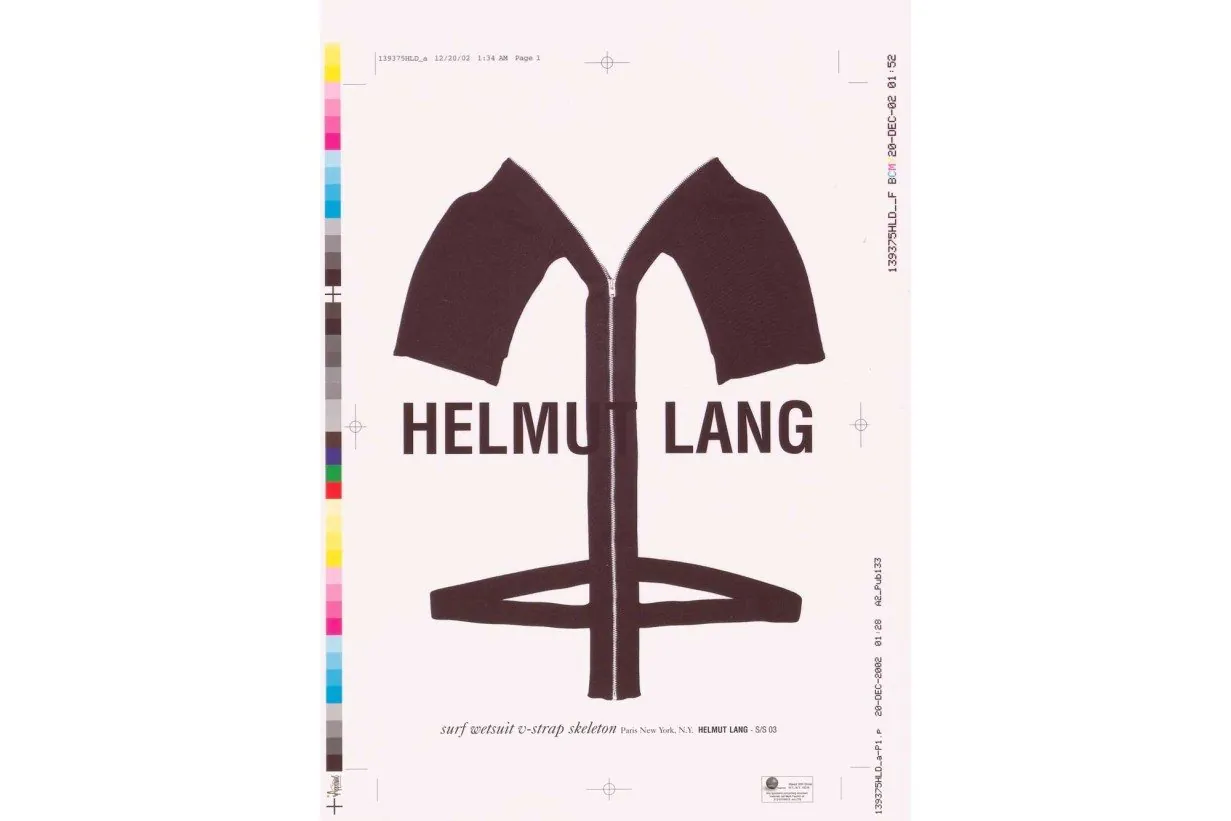
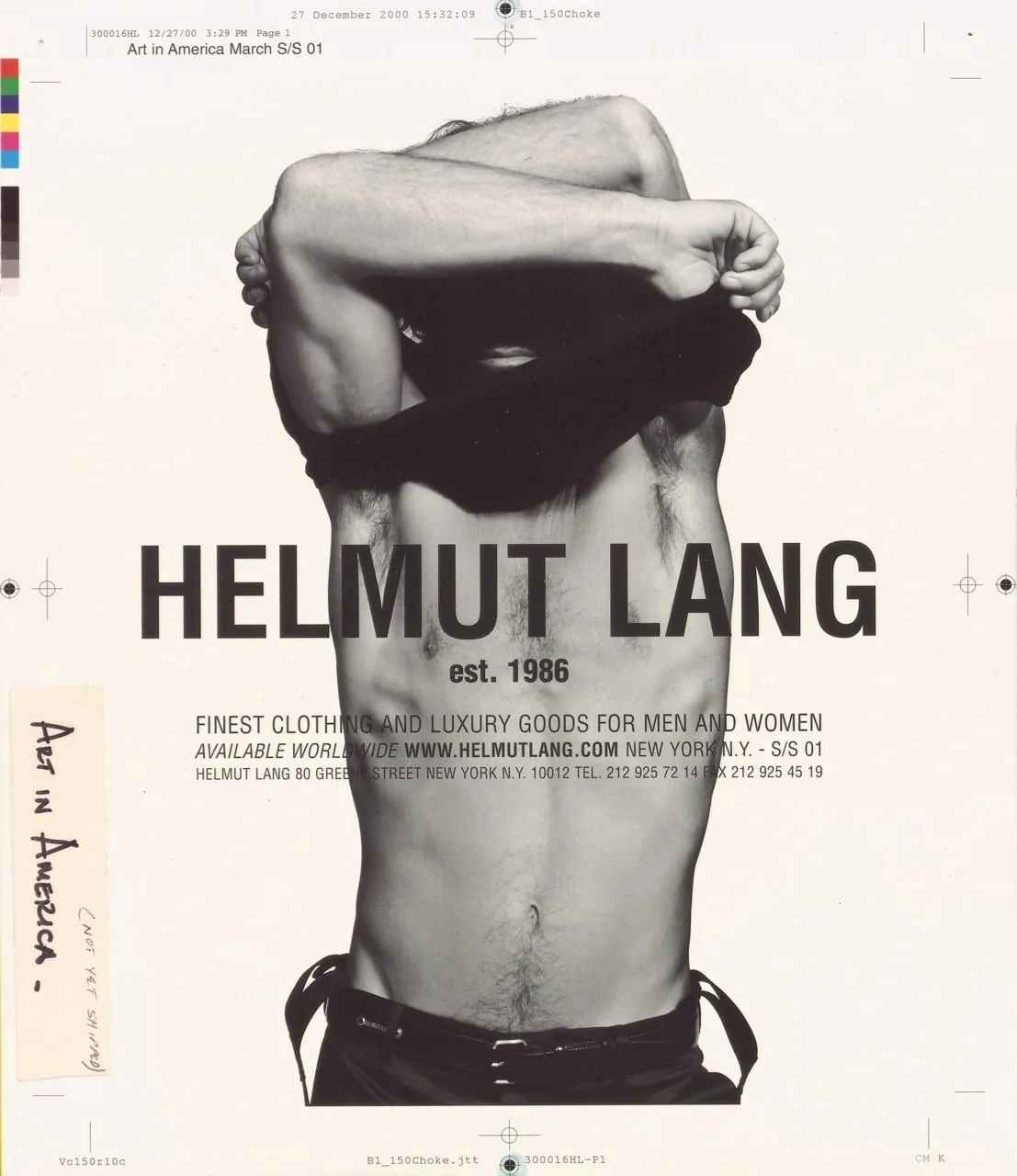
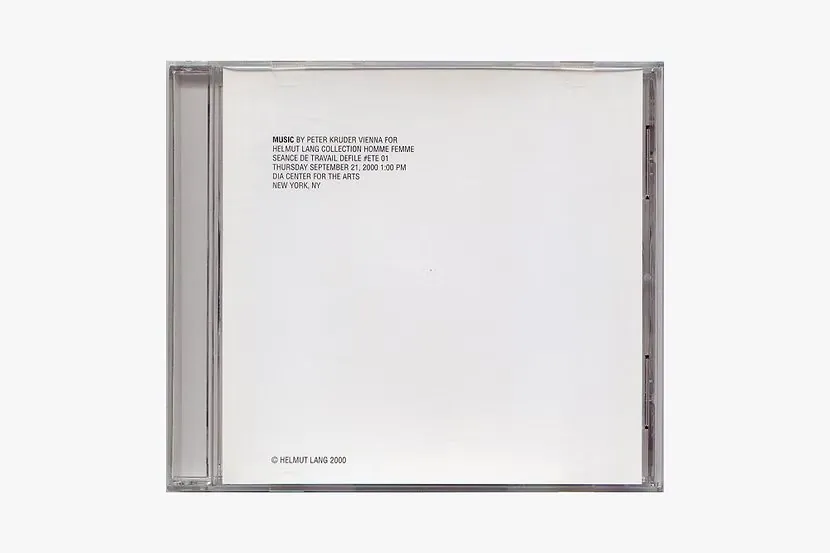
The same logic runs through the magazine pages. In Art in America, March 2001, a torso pulling a shirt over its face [5]. In National Geographic, October 2002, a garment label stamped “Sample for press only” [3]. For Spring/Summer 2003, the “surf wetsuit v-strap skeleton” reduced to a flat silhouette behind the logo [4]. In 2003, four bracelets locked together like handcuffs [2]. Even the music of the shows became an object: a CD for the Séance de Travail of 21 September 2000 at the Dia Center for the Arts, music by Peter Kruder [8].
The choice of media was part of the message. An art magazine, a geography magazine, a newspaper, a taxi: Lang placed his name where fashion was not expected and treated every support with the same care. “All has equal weight,” he said — in his archive a taxi top sits beside an evening gown with the same dignity.
The images shown here are the original press proofs and printed matter — crop marks, colour bars and handwritten notes included. They belong to the MAK Helmut Lang Archive in Vienna, presented in the exhibition Helmut Lang. Séance de Travail 1986–2005, opened at the MAK in December 2025.
Dalla metà degli anni Novanta Helmut Lang pubblicizza il suo marchio senza mostrarlo. Le pagine che compra portano un nome, poche righe di testo, un oggetto o un corpo visto da un’angolazione inattesa — quasi mai un look della collezione.
L’approccio è già compiuto nel luglio 1996: una sovracoperta dell’International Herald Tribune annuncia Helmut Lang Jeans [9]. Un ritratto tagliato di Elfie Semotan, il nome e poche righe di testo che dicono che la collezione sarà lanciata per l’estate 1997.
Nel 1998, l’anno in cui presenta una collezione online, Lang porta il suo nome sui tetti di New York: più di mille pubblicità sui taxi che rimandano al nuovo sito [6]. Nessuna immagine — solo HELMUT LANG, Paris New York, l’indirizzo di Greene Street e www.helmutlang.com.
Helmut Lang Parfums viene presentato attraverso le parole di Jenny Holzer [10]. Inserti di giornale, tra cui uno nel New York Times del 2001, stampano soltanto il suo testo in caratteri neri e pesanti — “I walk in, I see you … I smell you on my skin” — senza flacone e senza modelli [1]. Altri mostrano soltanto acqua, fotografata da Larry L. Miller [7].
La stessa logica attraversa le pagine delle riviste. Su Art in America, marzo 2001, un busto che si tira la maglia sul volto [5]. Su National Geographic, ottobre 2002, un’etichetta con la scritta “Sample for press only” [3]. Per la Primavera/Estate 2003, la “surf wetsuit v-strap skeleton” ridotta a una silhouette piatta dietro al logo [4]. Nel 2003, quattro bracciali chiusi l’uno nell’altro come manette [2]. Perfino la musica delle sfilate diventa un oggetto: un CD per la Séance de Travail del 21 settembre 2000 al Dia Center for the Arts, musica di Peter Kruder [8].
La scelta dei supporti fa parte del messaggio. Una rivista d’arte, una rivista di geografia, un quotidiano, un taxi: Lang mette il suo nome dove la moda non è attesa e tratta ogni supporto con la stessa cura. “All has equal weight”, diceva — nel suo archivio il tetto di un taxi sta accanto a un abito da sera con la stessa dignità.
Le immagini qui raccolte sono le prove di stampa originali e i materiali stampati — segni di taglio, barre colore e note a mano compresi. Fanno parte del MAK Helmut Lang Archive di Vienna, presentato nella mostra Helmut Lang. Séance de Travail 1986–2005, inaugurata al MAK nel dicembre 2025.
01 Helmut Lang Parfums – Launch campaign advertisement and text installation in collaboration with Jenny Holzer (2000)02 Helmut Lang - Test print of an advertisement # Été 04 (2003)03 Helmut Lang - Test print of an advertisement for National Geographic magazine / Helmut Lang Collection Hommes Femmes Séance de Travail # Hiver 02/03 (2002)04 Helmut Lang Collection Hommes Femmes Séance de Travail # Été 03 (2002)05 Helmut Lang Collection Hommes Femmes Séance de Travail # Été 01, photography by Elfie Semotan (2000)06 Helmut Lang New York City taxi top advertising (1998–2004)07 Helmut Lang Parfums – Splash campaign advertisement, photography by Larry L. Miller (2001)08 Helmut Lang – Séance de Travail Défilé # ÉTÉ 01 (Invitation & Artwork Layout, September 2000) / Music by Peter Kruder09 Helmut Lang Jeans Collection Launch Announcement (July 1996)10 Helmut Lang Parfums – Launch campaign advertisement and text installation in collaboration with Jenny Holzer (2000)
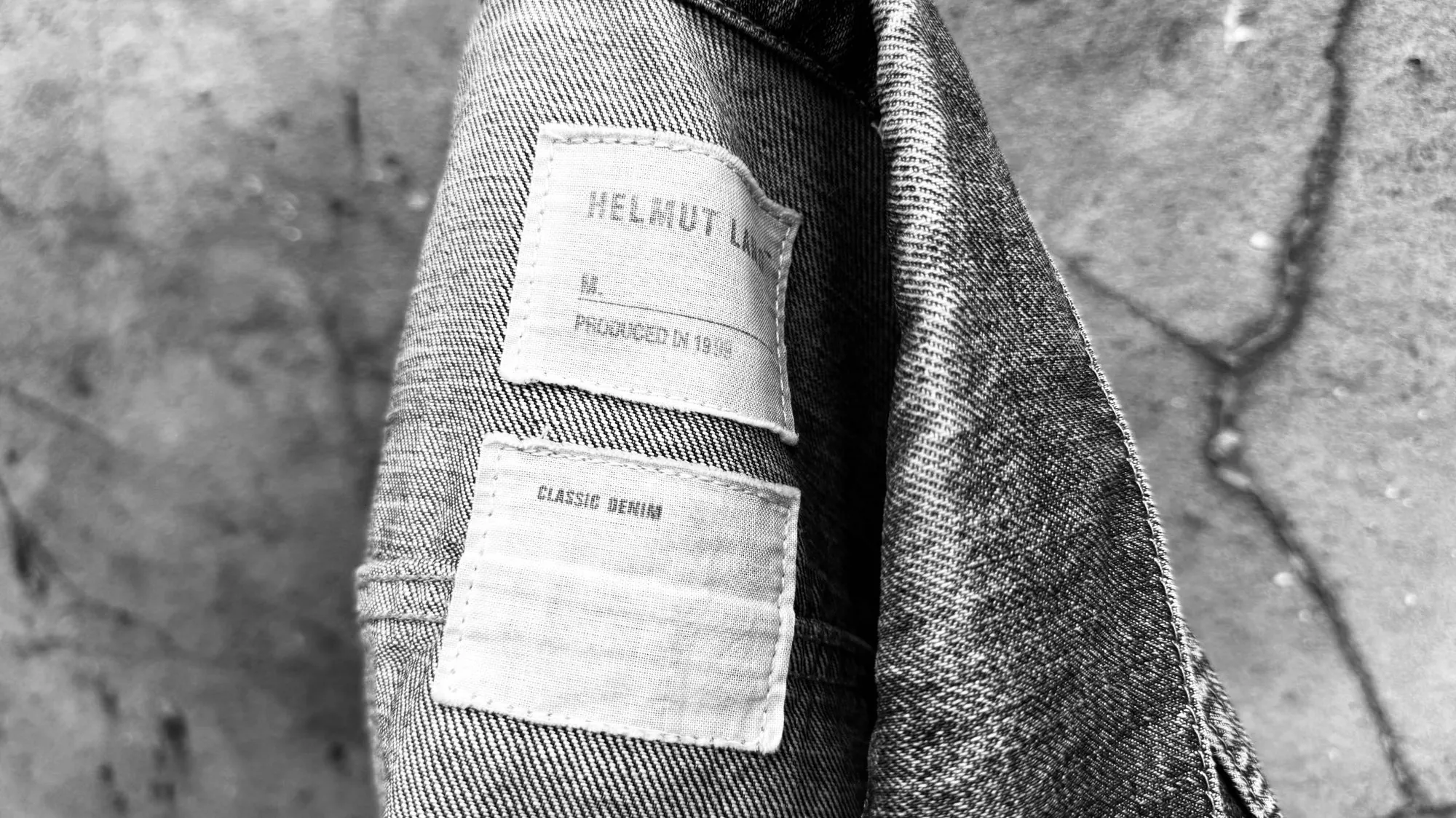
* Helmut Lang - Classic Denim Trucker JacketProduced in 1999
/
Helmut Lang introduced Helmut Lang Jeans in 1996. It was never treated as a diffusion line: denim sat inside the main collection, cut with the same rigour as the tailoring and sold at the same level. It is widely considered one of the starting points of luxury denim.
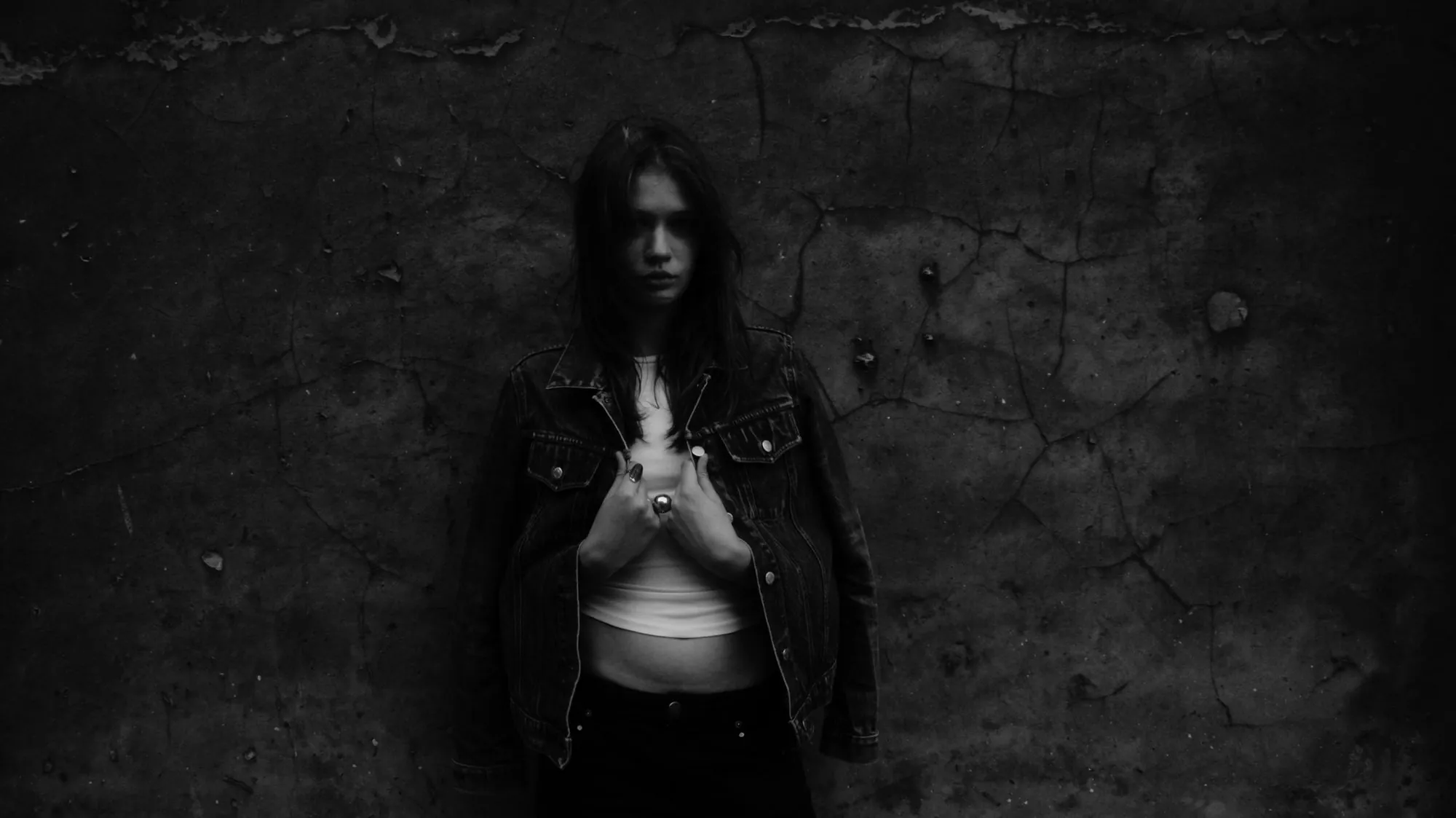
The Classic Denim trucker jacket takes the Levi’s Type III as its base — one of the most reproduced garments in American clothing — and reduces it to proportion and construction. The changes are quiet and only read up close: contrast orange topstitching, silver buttons engraved with his name.
In 1998 Lang moved the company from Vienna to New York, the first European fashion house to relocate across the Atlantic. That same season he cancelled his runway show and presented Autumn/Winter 1998–99, Séance de Travail, online and on CD-ROM: 81 looks, the first fashion show ever presented over the internet.
In 1999 the Prada Group took a 51% stake in the company. The same year Alexander McQueen was photographed in his own pair of Helmut Lang Painter Jeans, first released in 1997.
This jacket carries the label “Produced in 1999”. It comes from the New York years, while Lang still directed every aspect of the label — before Prada’s full acquisition in 2004 and his departure from fashion in 2005.
Lang has since dedicated himself to art. In 2009–2010 he donated runway pieces to more than a dozen museums; in 2011 the contents of the Helmut Lang Archive went to the MAK in Vienna.
Helmut Lang introduce Helmut Lang Jeans nel 1996. Non è mai stata trattata come una diffusion line: il denim stava dentro la collezione principale, tagliato con lo stesso rigore della sartoria e venduto allo stesso livello. È considerato uno dei punti di partenza del denim di lusso.
La trucker jacket della linea Classic Denim parte dal Levi’s Type III — uno dei capi più riprodotti dell’abbigliamento americano — e lo riduce a proporzione e costruzione. Le differenze sono silenziose e si leggono solo da vicino: impunture arancioni a contrasto, bottoni argentati incisi con il suo nome.
Nel 1998 Lang trasferisce l’azienda da Vienna a New York, prima maison europea a spostarsi oltreoceano. Nella stessa stagione annulla la sfilata e presenta l’Autunno/Inverno 1998–99, Séance de Travail, online e su CD-ROM: 81 look, la prima sfilata di moda mai presentata su internet.
Nel 1999 il Gruppo Prada acquisisce il 51% della società. Lo stesso anno Alexander McQueen viene fotografato con il suo paio di Helmut Lang Painter Jeans, usciti per la prima volta nel 1997.
Questa giacca riporta l’etichetta “Produced in 1999”. Appartiene agli anni di New York, quando Lang dirigeva ancora ogni aspetto del marchio — prima dell’acquisizione completa da parte di Prada nel 2004 e del suo addio alla moda nel 2005.
Da allora Lang si dedica all’arte. Tra il 2009 e il 2010 dona capi delle sue sfilate a più di una dozzina di musei; nel 2011 il contenuto dell’Helmut Lang Archive passa al MAK di Vienna.